Subaru Impreza: The Complete Owner’s Guide (All Generations)
Whether you’re shopping for your first Impreza or maintaining a well-used one, this guide covers the key differences between models, reliability across years, common problems, Starlink infotainment, security features, and which used examples are the safest buys. Focus on what matters most to owners: what breaks, what to budget, and which generation fits your needs.
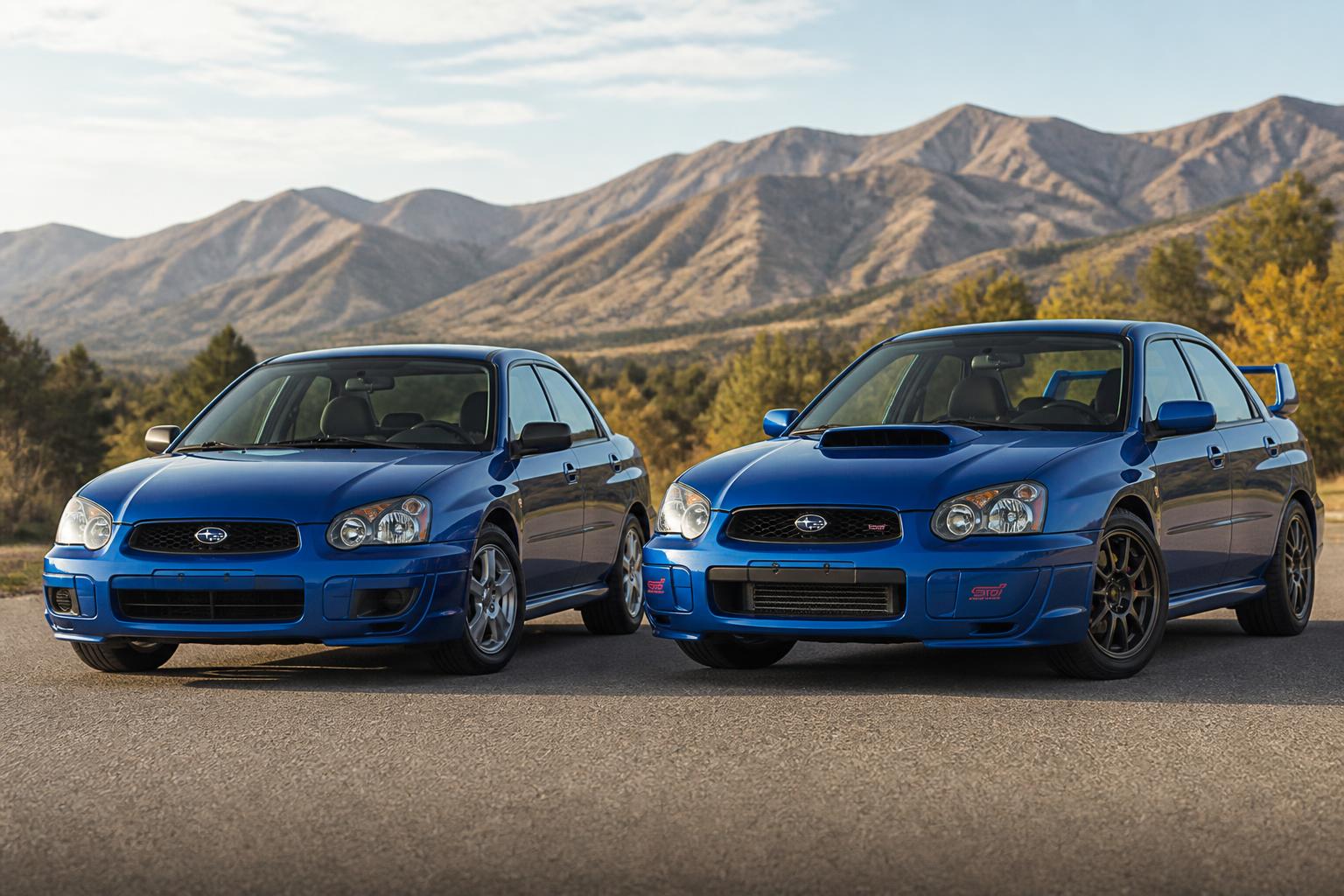
WRX vs. Standard Impreza: What Separates Them
The WRX (and WRX STI) are high-performance variants built on the same platform but differ in nearly every mechanical area. The standard Impreza uses naturally aspirated engines (2.0L or 2.5L depending on generation), while the WRX gets a turbocharged 2.0L or 2.5L with significantly higher output. STI models add a driver-controlled center differential, larger brakes, and a six-speed manual with stronger internals.
Other differences you’ll notice:
- Suspension and brakes: WRX models have stiffer springs, thicker anti-roll bars, and larger vented disc brakes. Standard Imprezas use a softer touring setup.
- Drivetrain: Both use symmetrical all-wheel drive, but the WRX STI uses a mechanical front limited-slip differential and a rear Torsen unit; the standard Impreza has open diffs with traction control.
- Interior and tech: WRX trims get sport seats, a boost gauge (on some years), and firmer damping. Standard Imprezas prioritize comfort and cargo space.
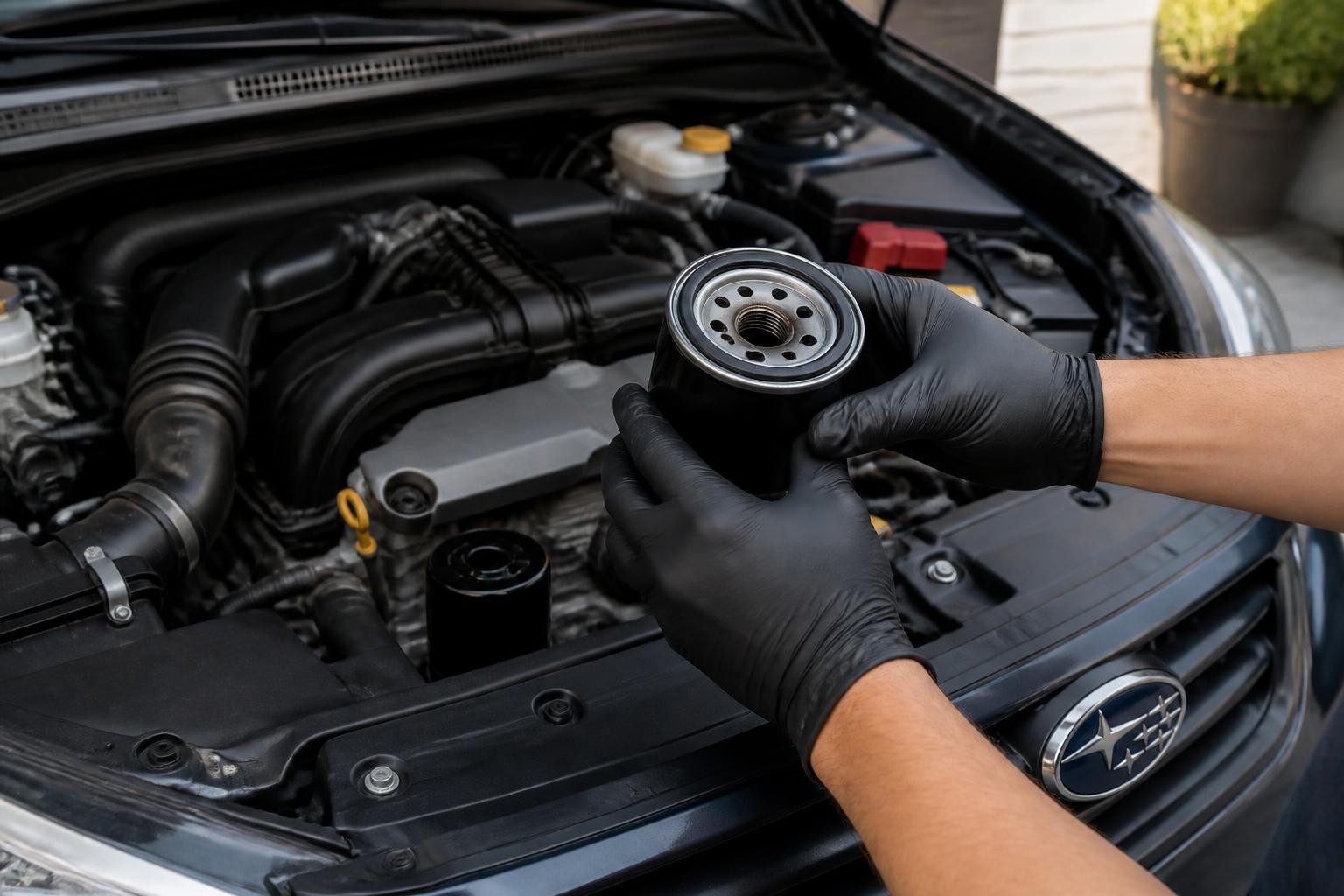
- Fuel and oil: WRX models require premium fuel (91 octane or higher) and a full synthetic 5W-30 that meets SN PLUS (e.g., QUARTZ 9000 FUTURE FGC 5W-30 or Mobil Super Synthetic 5W-30 or above). Standard Imprezas run fine on regular unleaded.
If you’re buying used and want the real driving experience, go for a WRX. If you need a reliable daily driver without performance maintenance costs, the standard Impreza is the smarter choice.
Reliability by Year: Which Generations Hold Up Best
Subaru Imprezas have strong overall reliability, but specific model years carry known issues. Here’s a quick breakdown per generation.
First Generation (1992–2000)
- 1992–1996 (EJ series engines): Head gasket failure is common after 100k miles, especially on the 2.5L DOHC engines. Watch for coolant loss and oil leaks. The 2.2L is more robust.
- 1997–2000 (improved gaskets): Head gasket issues improved but still occur. The 2.5L SOHC from 1999 onward is more reliable. Rust on rear strut towers and rocker panels is a concern in salt-belt states.
Second Generation (2002–2007)
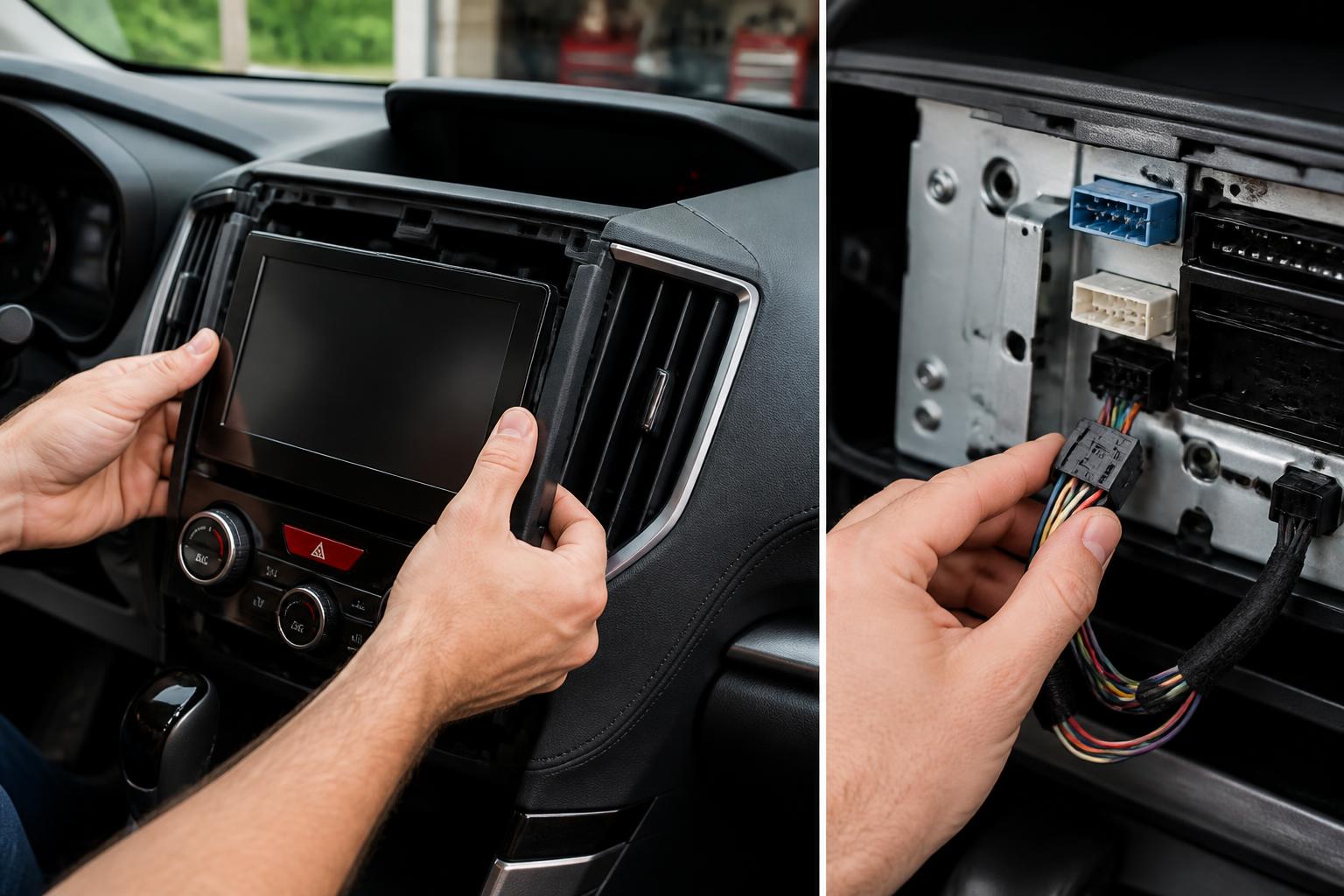
- 2002–2005: Turbo WRX models often suffer from ringland failures (piston ring land cracking) due to detonation, especially if modified. Standard Imprezas have fewer engine issues but aging cooling systems (radiator cracks, thermostat failures).
- 2006–2007: The EJ25 in the Impreza 2.5i (non-turbo) is known for head gasket leaks at 80k–120k miles. WRX models of these years received a revised turbocharger and stronger pistons, improving reliability. Still, check oil changes and timing belt history (120k-mile interval).
Third Generation (2008–2013)
- 2008–2010: The FB20 engine in the standard Impreza is generally reliable but some owners report excessive oil consumption (1 quart per 1,000 miles) in early years. Subaru offered a warranty extension for this issue. Turbo WRX models returned to a 2.5L; piston ring and valve spring failures were occasional.
- 2011–2013: Oil consumption improved. The standard Impreza’s FB20 is more consistent. WRX models in 2011–2013 have fewer reports of ringland failures compared to earlier years. Timing chain is now used (no replacement needed).
Fourth Generation (2014–2017 Sedan/Hatch; 2015–2021 WRX)
- 2014–2015 Impreza: The FB20 engine still has rare oil consumption cases, but overall solid. The CVT (Lineartronic) transmission can be hesitant but is durable with proper fluid changes every 30k miles.
- 2015–2017 WRX: First year of the FA20 turbo engine (direct injection). Carbon buildup on intake valves is common due to lack of port injection. Subaru recommends walnut-blasting every 60k–80k miles. The 2015 WRX also had early ECU tuning that caused occasional rough idle – fixed via software update.
- 2018–2021 Impreza/WRX: Reliability is strong. The Impreza received a 2.0L direct-injection FB20D that is more efficient. WRX models from 2018 onward have revised valve timing to reduce carbon buildup, but direct injection still means eventual cleaning.
Fifth Generation (2017–Present Impreza; 2022+ WRX)
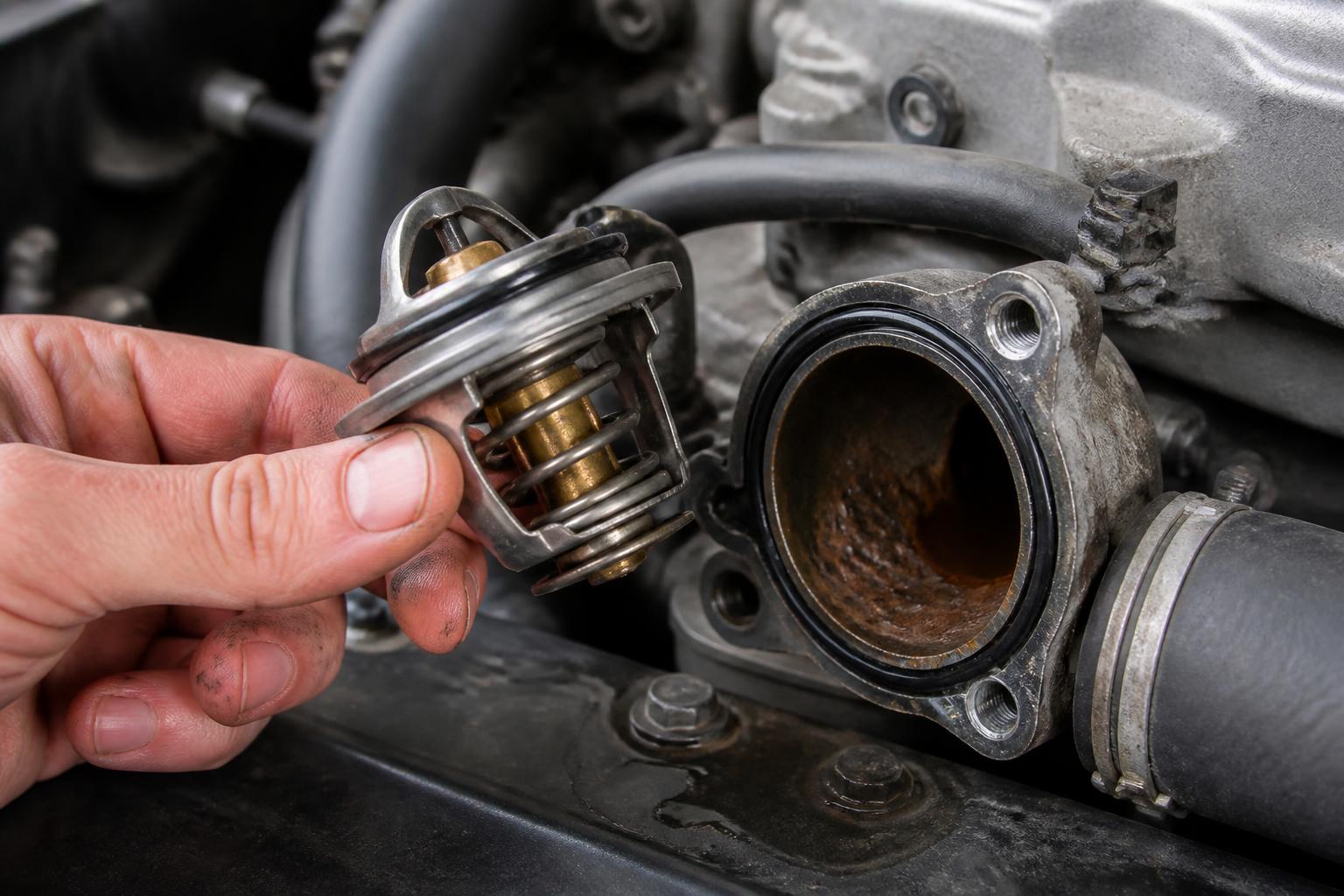
- 2017–2020 Impreza: Excellent reliability. Minor complaints about touchscreen lag and Starlink connectivity. The CVT is improved but still benefits from fluid service.
- 2021–2023 Impreza: No major systemic issues. Some owners report excessive tire wear due to alignment specs, so check the alignment at purchase.
- 2022+ WRX (VB chassis): New FA24 engine (2.4L turbo) with port and direct injection – much less carbon buildup. Early reports are positive, but it’s too soon for long-term data.
Common Problems Every Impreza Owner Should Know
Beyond year-specific issues, several problems cross many generations:
- Head gasket leaks: Most common on naturally aspirated 2.5L engines (2000–2009). Repairs run $1,200–$2,000. Check for coolant smell or low overflow tank.
- Oil consumption: Especially in 2008–2010 FB20 engines and some EJ25 turbo models. Monitor dipstick weekly. If more than 1 quart per 1,000 miles, consider a piston ring replacement or engine swap.
- CVT transmission shudder: On Lineartronic units from 2010–2015, a software update often fixes it. Hard shuddering may require valve body replacement ($1,500–$2,500).
- Starlink infotainment glitches: On 2015–2019 models, the head unit may freeze, lose Bluetooth, or take a long time to boot. A system reset (hold power button for 10 seconds) often works temporarily. Subaru issued several firmware updates; check with a dealer.
- Rust on rear subframe and control arms: Especially in northern states. Inspect the rear trailing arm brackets and lower control arms. Subaru has a limited corrosion warranty if caught early.
Diagnosing and Fixing Starlink Infotainment Issues
If your Impreza’s Starlink screen freezes, loses Bluetooth, or takes forever to boot, try these steps in order. Stop and escalate only when a step fails to resolve the problem.
What You’ll Need Before Starting
- The car key (to turn ignition on without starting the engine)
- A small flashlight (to check fuse box if needed)
- Access to the owner’s manual (fuse location and battery disconnect procedure)
Step 1: Soft Reset (Takes 30 Seconds)
With the ignition on (engine off), press and hold the power button for 10 seconds. The screen should go black and restart. This clears temporary glitches. If it works, you’re done. If the issue returns within a few days, proceed.
Step 2: Hard Reset by Disconnecting the Battery
Disconnect the negative battery terminal for 10 minutes. This forces the head unit to fully power down. Reconnect and check. If the problem reappears after a few weeks, you may need a firmware update.
Step 3: Check for Firmware Updates
Call your Subaru dealer with your VIN. Many 2015–2019 units have available updates that improve stability. This is often free under warranty or a technical service bulletin (TSB). If the dealer confirms no update exists for your unit, the next step is hardware replacement.
Stop and Escalate: When to Call the Dealer
- The screen stays black after steps 1 and 2, but audio still plays – the display panel likely failed. Replacement costs $800–$1,200.
- The head unit repeatedly freezes after a firmware update – the mainboard may be defective.
- Bluetooth fails to pair and the soft reset doesn’t help – the Bluetooth module could be bad.
- You see warning messages like “Starlink system error” after multiple resets.
Do not attempt to open the dash or replace the radio yourself unless you have experience with Subaru trim removal. A dealer or a good car audio shop can install an aftermarket unit (Metra kit, ~$300–$600 plus labor) if you want to bypass Starlink entirely.
Key Fob and Security Features
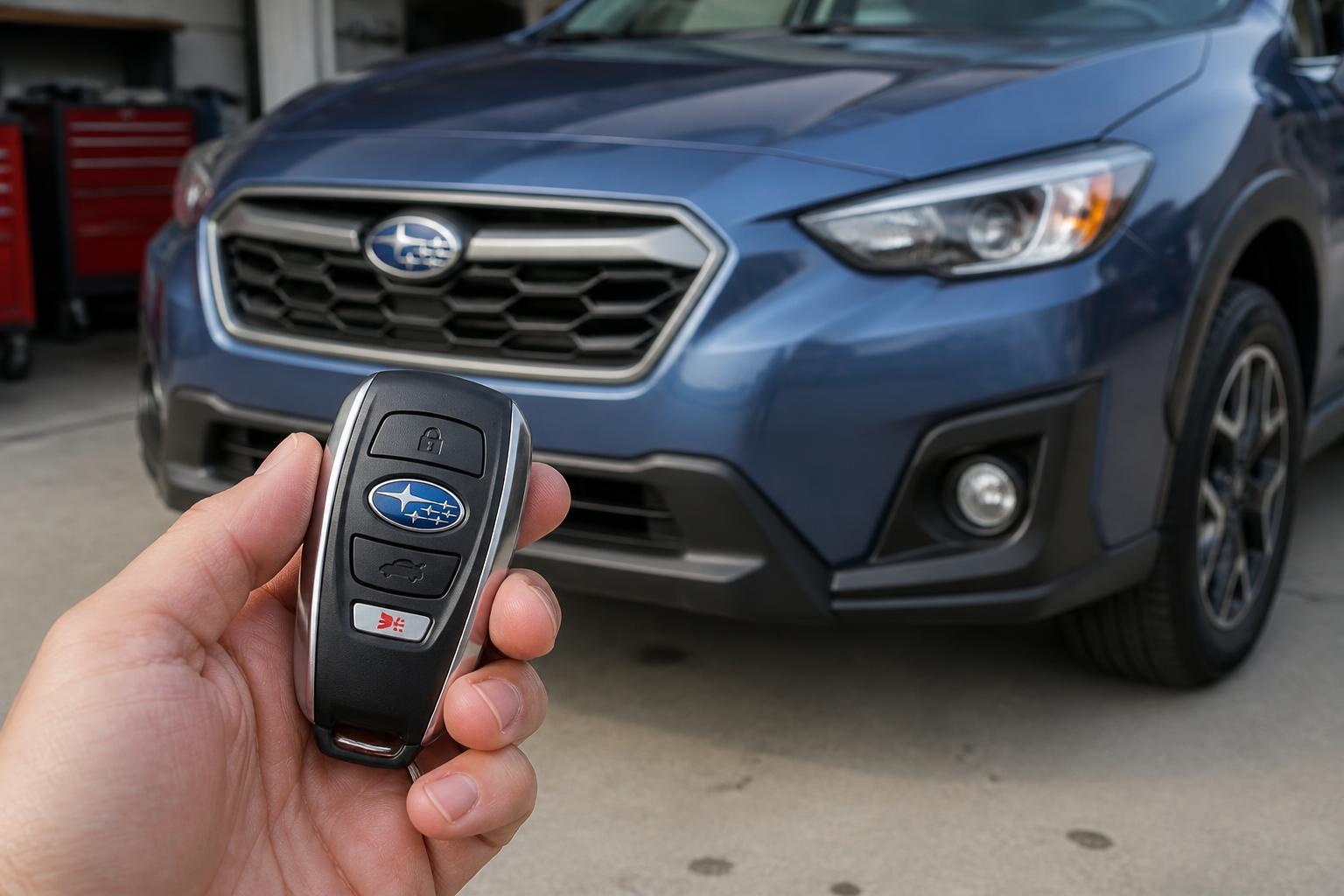
Imprezas from 2006 onward use a transponder-equipped key. Lost one? A dealer can program a new key (requires the vehicle and security code, typically $150–$300 for key and programming). For 2015-plus models, Subaru’s keyless access with push-button start uses a passive key that can be reprogrammed with two existing keys – check your manual for the cabin procedure.
Security systems vary: most non-WRX trims have a basic immobilizer and perimeter alarm. WRX and STI years 2015+ include a glass break sensor and incline sensor. All models with Starlink safety (2014+) offer stolen vehicle recovery through GPS – subscription required after the first three years.
Dimensions and Cargo Capacity
Generations vary, but here are typical measurements for a 2017–2023 Impreza sedan:
- Length: 182.1 inches
- Width: 70.1 inches (with mirrors folded)
- Height: 57.3 inches
- Cargo volume (sedan): 12.3 cubic feet – fits two large suitcases and a couple of backpacks
- Cargo volume (hatchback, pre-2015): 19.0 cubic feet; 2017+ 5-door: 20.8 cubic feet – enough for a medium-sized dog crate or a three-person camping load
For comparison, the WRX sedan is slightly lower (58.1 inches) and heavier, with nearly identical interior dimensions. If you need maximum cargo flexibility, look for a 5-door (hatchback) model.
Maintenance Costs Over the Long Run
Annual maintenance for a standard Impreza runs $500–$900 (including oil changes, tire rotations, brake pads, and 30k/60k service). The WRX costs $700–$1,200 due to synthetic oil, premium fuel, and more frequent brake pad replacements.
Major service milestones:
- Timing belt (if equipped – earlier 2.5L engines): $600–$900 every 105k miles
- Spark plugs: $300–$400 on a boxer engine (needs upper intake removal on some models) every 60k miles
- CVT fluid change: $200–$350 every 30k–60k miles – do not skip this; a failed CVT costs $5,000–$7,000 to replace
- Brake pads: $150–$250 for standard Impreza; $250–$400 for WRX (larger pads, more wear)
Example: A 2018 Impreza owner driving 12,000 miles per year should budget about $750 annually for routine maintenance plus around $300 per major service interval. Keep receipts; they help resale value.
Check your owner’s manual. If you’re handy, many of these are DIY-able – but timing belt and CVT fluid changes are better left to a shop.
Which Used Impreza Years Are the Safest Buys
Based on reliability, parts availability, and known issues, here are the years to target:
- 2006–2007 Impreza 2.5i: Last of the second generation; fix the head gasket early and it’s reliable. Avoid modified WRXs of this era.
- 2011–2013 Impreza (third-gen): Improved FB20 engine, solid CVT (if serviced), good safety scores. Look for one with documented oil change history.
- 2017–2019 Impreza (fifth-gen): Best balance of modern tech (Apple CarPlay, Starlink) and reliability. Early 2017 units had a minor ECU update; verify it’s done.
- 2020–2023 Impreza: Very reliable, but the premium you pay may not be worth it vs. a well-kept 2018–2019.
Years to avoid include 2008–2009 Imprezas with high oil consumption, 2014–2015 WRXs with unaddressed ECU issues, and any WRX that’s heavily modified without records. Always get a prepurchase inspection by a Subaru specialist – they’ll check head gaskets, oil leaks, CVT shudder, and subframe rust.
FAQ
What oil should I use in a Subaru Impreza?
Standard Impreza: 0W-20 full synthetic (check cap; some older 2.5L use 5W-30). WRX: 5W-30 full synthetic that meets SN PLUS (e.g., QUARTZ 9000 FUTURE FGC 5W-30 or Mobil Super Synthetic 5W-30). Always verify in your owner’s manual.
Does the Impreza come with a spare tire?
Many 2017-plus Imprezas have a temporary spare under the cargo floor. Some earlier base trims gave you a tire repair kit. Verify when checking used cars; aftermarket spares are available for around $100.
Is Starlink subscription required?
Starlink safety and security features (automatic collision notification, SOS) are included for the first three years. After that, they require a subscription. Entertainment features (apps, cloud navigation) may also require a subscription after the trial period.
How often should the transmission fluid be changed?
CVT: every 30,000–60,000 miles under normal conditions, sooner if towing or frequent stop-and-go. Subaru claimed “lifetime fluid” for some units, but many owners recommend servicing for longevity.
Can I use regular gas in a WRX?
No – the turbocharged engine requires premium unleaded (91 octane minimum). Using regular can cause detonation and engine damage.
Explore This Topic
Related guides in this cluster:

Greedy Wheels is the founder and lead editor at Wheels Greed. With over 15 years of hands-on automotive experience — from rebuilding engines in a home garage to managing fleet maintenance for a regional logistics company — he brings real-world mechanical knowledge to every guide.
His work has been featured in automotive forums, owner communities, and dealership training materials. When he’s not researching the latest car owner questions, you’ll find him at a local track day, wrenching on his project car, or testing the newest OBD2 diagnostic tools.
At Wheels Greed, every article is reviewed against manufacturer service manuals, NHTSA bulletins, and verified owner reports. No AI-generated fluff. No guesswork. Just practical answers from someone who has turned the wrench.