Subaru Outback: The Complete Owner’s Guide (All Generations)
If you’re shopping for a used Outback or already own one, here’s the short version: 2010–2014 (fourth generation) and 2020–2023 (sixth generation) are the strongest picks for reliability and value. The years to skip are 2005–2009 with the 2.5L non-turbo engine (head gasket failures) and 2013–2015 models with the CVT (high failure rate). This guide covers every generation from 1994 to present, with the specific details you need for buying, maintaining, and troubleshooting.

Generations at a Glance
The Outback launched as a lifted Legacy wagon for the 1995 model year (sold from late 1994). The table below gives you the big-picture differences.
| Generation | Years | Platform | Key Engine | Notable Issues |
|---|---|---|---|---|
| First | 1995–1999 | Legacy BH/BD | 2.5L H4, 3.0L H6 (1998+) | Head gasket leaks on 2.5L |
| Second | 2000–2004 | Legacy BE/BH | 2.5L H4, 3.0L H6 | Head gaskets, rear strut tower rust |
| Third | 2005–2009 | Legacy BL/BP | 2.5L H4 turbo and non-turbo, 3.0R H6 | Turbo: banjo bolt filters, oil starvation; Non-turbo 2.5L: near-certain head gasket failure |
| Fourth | 2010–2014 | Legacy BM/BR | 2.5L H4, 3.6R H6 | CVT failures on 2013–2015; 3.6R with 5-speed auto is bulletproof |
| Fifth | 2015–2019 | Legacy BS/BT | 2.5L H4, 3.6R H6 | CVT improved 2017+; infotainment lag 2015–2017 |
| Sixth | 2020–2024 | Legacy BW/BX | 2.5L H4, 2.4L H4 turbo (XT) | Reliable overall; infotainment glitches on early 2020 models; expensive replacement parts |
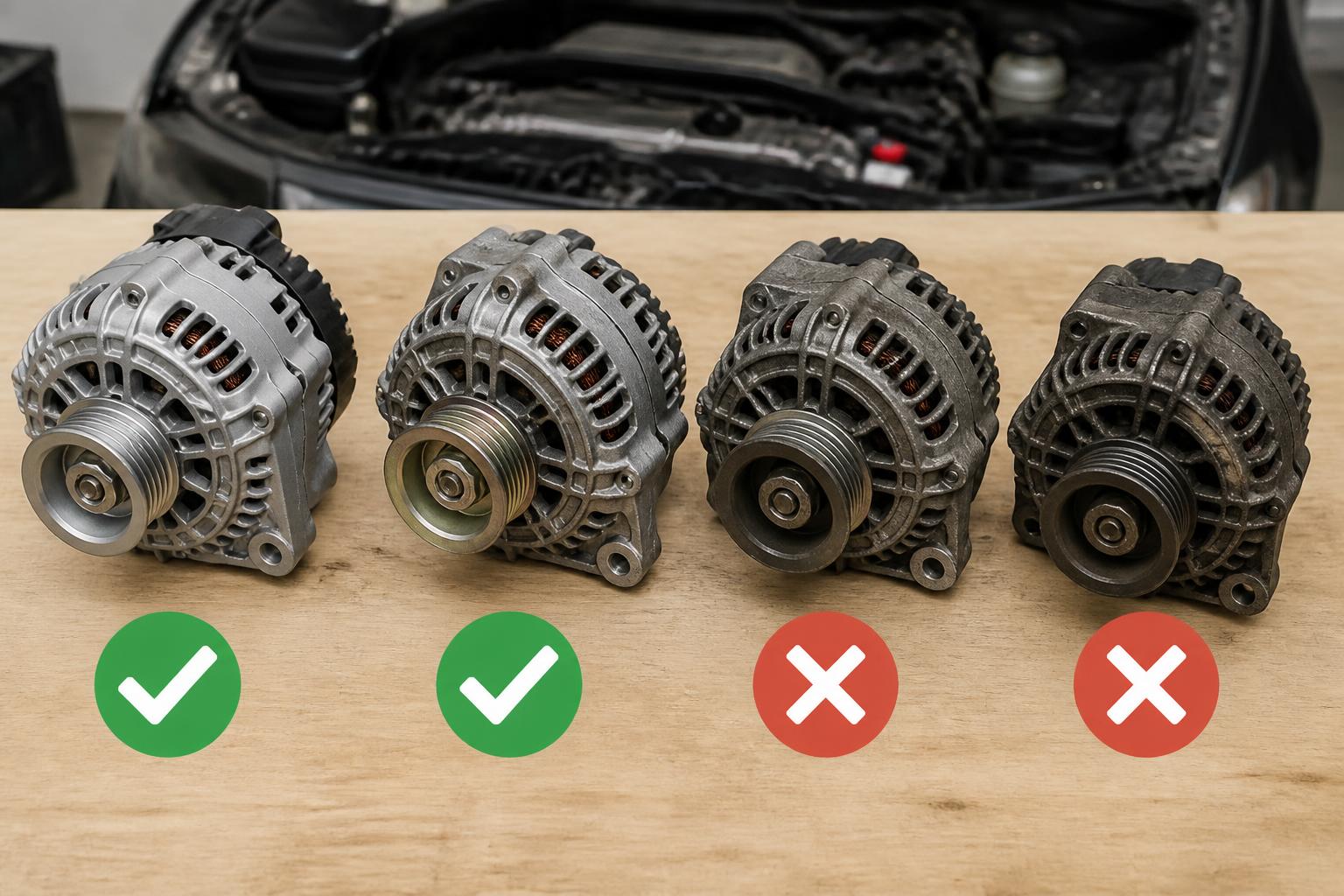
Which Generations to Choose and Which to Skip
Best Used Buys
- 2010–2012 (4th gen) – The 2.5L is solid and the 3.6R with the 5-speed automatic is nearly indestructible. CVT failures are less common than the 2013–2015 models.
- 2017–2019 (5th gen) – CVT reliability improved. Interior quality is better than earlier fifth-gen cars.
- 2020–2023 (6th gen) – Best all-around. The 2.4L turbo (260 hp) tows 3,500 lbs. 2021+ have the infotainment bugs worked out.
Years with Known Weak Points
- 2005–2009 non-turbo 2.5L – Head gasket failure is nearly guaranteed. Replacement runs $2,000–$3,000. If you buy one, verify the gaskets have been replaced with multi-layer steel (MLS) units.
- 2005–2009 turbo models – The banjo bolt oil filters clog and starve the turbo. If the bolts haven’t been removed or replaced with non-filtered versions, expect premature turbo failure.
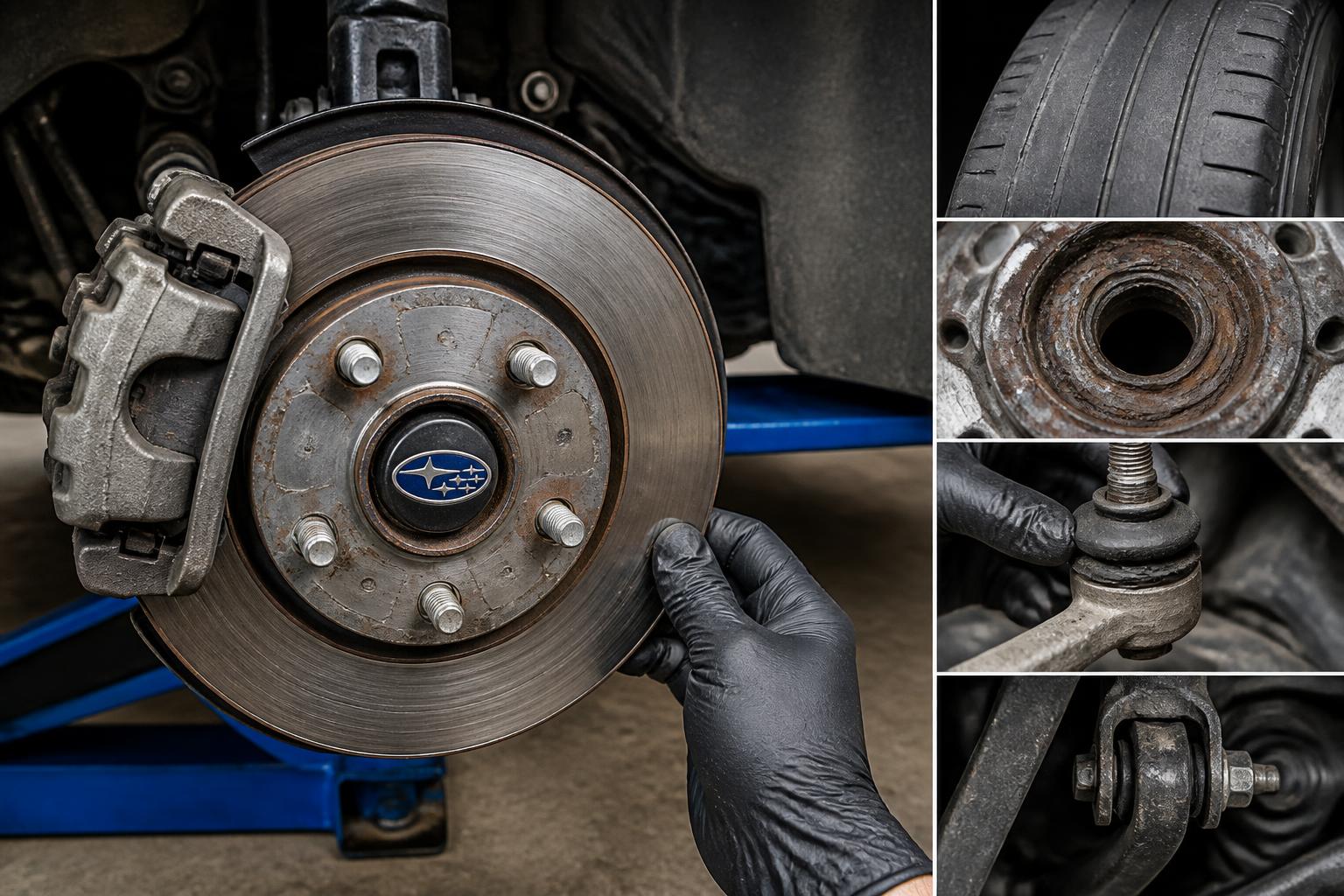
- 2013–2015 with CVT – Highest CVT failure rate across all Outback generations. Subaru extended the CVT valve body warranty, but many units fail by 60k miles. Shudder on acceleration or whining are red flags.
- 2015–2016 (5th gen early) – CVT and infotainment problems. The head unit often freezes or resets. Some units were replaced under TSB 15-203-18.
Common Problems and When to Take It to a Shop
Head Gasket Failure (1995–2009 2.5L models)
- What to watch for: External oil or coolant seepage on the driver’s side of the engine, white smoke from exhaust, milky oil, or recurring coolant loss.
- Stop threshold: If you see milky oil or the engine overheats, stop driving immediately. This is not a DIY fix. Take it to a Subaru specialist. Internal failure can destroy the engine.
CVT Transmission Shudder or Failure (2010–2015, less so 2016+)
- What to watch for: Shudder during light acceleration (around 30–45 mph), whining noise from the transmission, loss of reverse, or erratic shifting.
- Stop threshold: Do not attempt any DIY repair. Have the transmission diagnosed by a Subaru dealer. A full CVT replacement can exceed $4,000. If the car is still under the extended CVT warranty (check VIN with Subaru), it may be covered.
Power Steering Hose Leaks (4th gen)
- What to watch for: Fluid puddles under the front of the car, whining noise when turning, low fluid level.
- Stop threshold: If the hose is cracked, replace it immediately. Driving with low fluid can damage the pump. A new high-pressure hose costs about $50–$80 and is a moderate DIY job if you have basic tools.
Infotainment Freezing (2015–2017)
- What to watch for: Screen lags, freezes, or reboots during use.
- Stop threshold: Try a system reset (hold the power button for 10 seconds). If it doesn’t help, the hardware may need replacement. This is a dealer or stereo shop job; DIY risk is low but it’s not worth buying an OEM replacement without diagnosing first.
Windshield Cracking (6th gen 2020+)
- What to watch for: Cracks from small stones—the acoustic glass is thin.
- Stop threshold: If the crack is in the driver’s line of sight, stop driving and get it replaced. Not covered under warranty unless it’s a manufacturing defect. Expect $800–$1,200 for replacement with calibration.
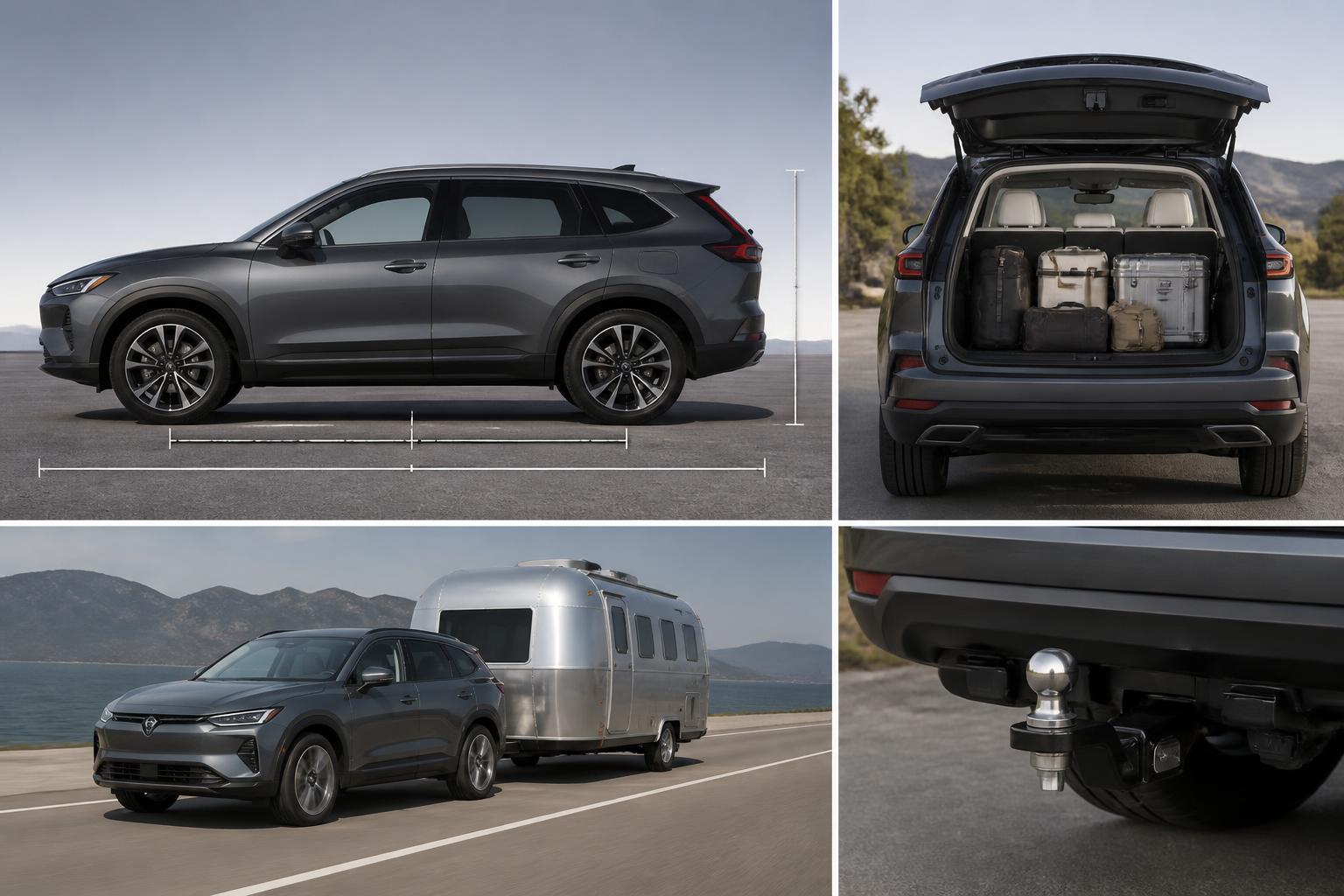
Dimensions, Cargo, and Towing
| Generation | Length (in) | Width (in) | Height (in) | Wheelbase (in) | Cargo Behind 2nd Row (cu ft) | Max Cargo (cu ft) | Towing Capacity (lbs) |
|---|
| 1995–1999 | 185.8 | 66.7 | 62.4 | 103.5 | 33.3 | 66.1 | 2,000 (4-cyl) / 3,000 (H6) |
| 2000–2004 | 187.4 | 68.7 | 62.2 | 104.3 | 34.3 | 68.6 | 2,000 (4-cyl) / 3,000 (H6) |
| 2005–2009 | 188.7 | 69.7 | 63.6 | 105.1 | 34.3 | 68.6 | 2,000 (2.5L) / 3,000 (3.0R) |
| 2010–2014 | 188.2 | 71.7 | 65.7 | 107.9 | 34.3 | 71.3 | 2,000 (2.5L CVT) / 3,000 (3.6R auto) |
| 2015–2019 | 189.6 | 72.4 | 65.3 | 108.1 | 35.5 | 73.3 | 2,700 (2.5L) / 3,000 (3.6R) |
| 2020–2024 | 191.9 | 73.0 | 66.4 | 108.1 | 32.5 | 75.7 | 2,700 (2.5L) / 3,500 (2.4T) |
Towing with a CVT (2010–2014 2.5L) is limited to 2,000 lbs. Always verify your specific configuration in the owner’s manual.
Routine Owner Checks You Can Do Yourself
Key Fob Battery Replacement
What you need: A CR2032 battery (CR1620 for 1995–1999 models), a small flat-head screwdriver or a coin.
Steps:
1. Pry the fob open at the seam using the screwdriver or coin in the slot.
2. Remove the old battery and note polarity (positive side up).
3. Insert the new battery with the positive side facing up.
4. Snap the fob closed and test lock/unlock.
Stop threshold: If the fob still doesn’t work after a fresh battery, the fob itself may have failed. Try the spare fob. If neither works, the receiver module (in the car) may be the issue—dealer diagnosis needed.
Oil and Filter Change
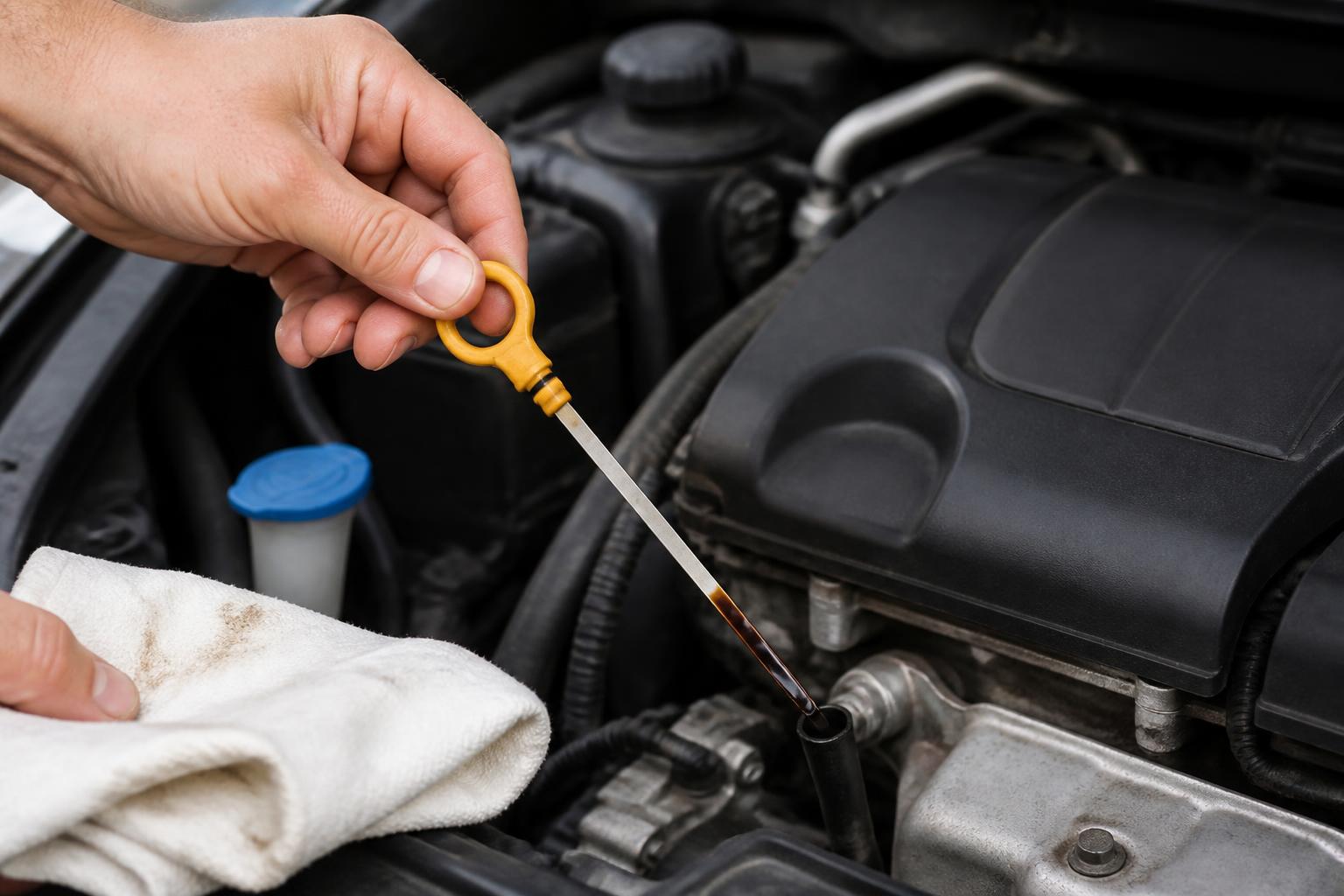
What you need: 5 quarts of the correct oil (see table below), a Subaru OEM oil filter or equivalent, a 17mm socket for the drain plug, and an oil filter wrench.
Steps:
1. Warm the engine slightly, then drain the oil.
2. Replace the drain plug washer (torque to 30–35 ft-lbs).
3. Remove and replace the oil filter (hand-tighten after lubricating the gasket).
4. Add oil: see capacity table below. Check level after running engine.
Stop threshold: If you find metal shavings in the drained oil or the oil looks milky/foamy, stop and have the engine inspected. This could indicate internal damage or head gasket failure. Do not continue driving.
Oil Type and Capacity
| Engine | Oil Type | Capacity (with filter) | Recommended Oil |
|---|---|---|---|
| 2.5L H4 (all generations) | Full synthetic 5W-30 | 4.2 quarts (4.0L) | QUARTZ 9000 FUTURE FGC 5W-30, QUARTZ 9000 FUTURE XT 5W-30, Mobil Super Synthetic 5W-30 or equivalent |
| 3.0L H6 (1998–2009) | Full synthetic 5W-30 | 5.5 quarts (5.2L) | Same as above |
| 3.6R H6 (2010–2019) | Full synthetic 5W-30 | 5.7 quarts (5.4L) | Same as above |
| 2.4L H4 turbo (2020+ XT) | Full synthetic 0W-20 | 5.3 quarts (5.0L) | Subaru Genuine 0W-20 or equivalent synthetic |
Change interval: every 6,000 miles for normal driving; 3,000–4,000 miles for severe duty (towing, off-road, extreme temperatures).
Maintenance Schedule (Consolidated)
| Interval | Items |
|---|---|
| Every 6,000 miles | Oil and filter, tire rotation, brake inspection |
| Every 12,000 miles | Cabin air filter, engine air filter, inspect belts/hoses |
| Every 30,000 miles | Transmission fluid change (CVT: every 30k is cheap insurance; 5-speed auto: every 30k), differential fluid change (rear every 30k, front every 60k) |
| Every 60,000 miles | Spark plugs, coolant flush, brake fluid flush, PCV valve, timing belt + tensioner + water pump (2009 and older; 2010+ use timing chain) |
| Every 90,000 miles | Inspect suspension bushings, ball joints, drive belts; replace CVT fluid if not done at 30k |
Stop threshold: If you’re doing a timing belt on a 2009-or-older Outback and find the tensioner is loose or the water pump is leaking, replace them immediately. Skipping this can snap the belt and destroy the engine. For CVT fluid changes, use only Subaru CVT-II or CVT-III fluid; generic fluids can damage the transmission.
Subaru Starlink Features (2015–Present)
Starlink has three tiers:
- Safety and Security (standard): Automatic collision notification, SOS button, roadside assistance, stolen vehicle recovery. Free for 10 years.
- Safety Plus (trial then subscription): Remote lock/unlock, remote start, vehicle locator, maintenance alerts. About $3–$4/month.
- Safety Plus with Security (subscription): Above plus curfew alerts, speed alerts, perimeter alerts, remote horn/flash. About $100/year.
2020+ models have an 11.6-inch touchscreen with wireless Apple CarPlay and Android Auto. Early 2020 models sometimes had slow response; later software updates fixed most issues.
Troubleshooting: If the app won’t connect, force-close the app, restart the car, and check the car’s data connection. The car uses a built-in cellular modem (3G pre-2020, 4G LTE 2020+). If the modem fails, it’s a dealer-only replacement (approx. $500–$800).
Video Resource: What to Know Before Buying a Used Subaru Outback
For a visual walkthrough of common failure points and inspection tips for each generation, search YouTube for “Subaru Outback buyer’s guide all generations.” Look for videos that show actual inspections of head gasket seepage on third-gen models and CVT shudder diagnosis on fourth-gen cars. Pay attention to any footage of the banjo bolt filter location on the 2005–2009 turbo models—those are often missed in a typical used-car inspection.
Frequently Asked Questions
What year to stay away from a Subaru Outback?
Avoid 2005–2009 models with the 2.5L non-turbo engine due to almost certain head gasket failure, and 2013–2015 models with the CVT, which have a high failure rate. If you’re looking at a 2013–2015, verify the CVT warranty status with Subaru.
What is the most common problem with a Subaru Outback?
Head gasket failure on the 2.5L engine built before 2010 (1995–2009) is the most widespread issue. For 2010–2015 models, CVT shudder or failure is the top complaint.
Which US state buys the most Subarus?
Colorado consistently ranks as the state with the highest Subaru market share per capita, followed by Vermont, Washington, and Oregon. The Outback is especially popular in the Northwest and Rocky Mountain regions.
What is considered the best year for the Subaru Outback?
The 2012 model (4th gen with the 3.6R and 5-speed auto) and the 2021 model (6th gen with the 2.4L turbo and refined infotainment) are widely regarded as the best years for reliability and performance. The 2013–2015 CVT models are the least recommended.
Explore This Topic
Related guides in this cluster:

Greedy Wheels is the founder and lead editor at Wheels Greed. With over 15 years of hands-on automotive experience — from rebuilding engines in a home garage to managing fleet maintenance for a regional logistics company — he brings real-world mechanical knowledge to every guide.
His work has been featured in automotive forums, owner communities, and dealership training materials. When he’s not researching the latest car owner questions, you’ll find him at a local track day, wrenching on his project car, or testing the newest OBD2 diagnostic tools.
At Wheels Greed, every article is reviewed against manufacturer service manuals, NHTSA bulletins, and verified owner reports. No AI-generated fluff. No guesswork. Just practical answers from someone who has turned the wrench.