Subaru Forester: The Complete Owner’s Guide (All Generations)
Whether you’re shopping for a used Forester or maintaining one you already own, this guide gives you the concrete details to make smart decisions. Forester generations span five distinct eras (SF, SG, SH, SJ, SK) from 1998 to present. Each has its own reliability quirks, maintenance needs, and cargo/towing capabilities. Below you’ll find the short answers first, then the deeper breakdowns per system.

Reliability by Generation: Short Answer
- Best overall: 2004–2005 SG (simple, low-tech EJ engine, strong manual option) and 2020–2024 SK (proven direct-injection FB25, stable CVT).
- Avoid if possible: 2011–2013 SH (severe oil consumption) and 2009–2010 SH (early CVT failures around 70k–100k miles).
- Watch used models: 2014–2016 SJ (CVT solenoid issues, Starlink freezes; later SJ years are safer).
Now for the generation-by-generation rundown with specific failure patterns.
1998–2002 (SF, 1st gen) – Rugged but Rust-Prone
The EJ25 engine is durable but head gaskets leak around 100k–120k miles (common across all EJ engines). Manual transmissions are solid; the 4-speed automatic is dated but reliable. In salt-belt states, check the rear strut towers for rust – cutting and welding is the only fix.
2003–2008 (SG, 2nd gen) – Peak Simplicity
Naturally aspirated EJ25 still needs head gaskets around 120k miles. Turbo XT models have stronger internals but require premium fuel and more frequent oil changes. Rear wheel bearings fail every 60k–80k miles – you’ll hear a rumbling noise that changes with speed. Rust on the rear hatch lower edge and rocker panels is common.
2009–2013 (SH, 3rd gen) – The Oil-Consumption Problem Years
The 2011–2013 models introduced the FB25 engine, which in many cars consumes oil at roughly 1 quart per 1,000–1,200 miles due to ringland failures. Subaru issued a warranty extension (up to 8 years/100k miles) and later a recall for some 2011–2012 builds. If you’re considering one, ask for oil consumption records. The CVT (first introduced in 2010) has solenoid and shudder issues; 2009 models still have the 4-speed auto.
2014–2018 (SJ, 4th gen) – Improved CVT, Still Glitchy Infotainment
The SJ generation fixed many SH oil issues, but the High-Torque CVT in XT models (2.0L turbo) is known for hesitation and valve body failures. If you buy a 2014–2016 SJ, expect the Starlink screen to freeze or take a long time to boot. The fix: hold the power button for 10–15 seconds to force a restart, then update software via the dealer.
2019+ (SK, 5th gen) – Most Reliable Modern Forester
The FB25 direct-injection engine (2019–2024) and the R-series CVT are more reliable than earlier generations. Starlink still has occasional screen freeze and Bluetooth drops, but updates have improved stability. The 2025 hybrid adds complexity – early reports are positive, but long-term data is still thin.
Common Problems: How to Spot Them and When to Escalate
Oil Consumption (EJ and FB25 Engines)
Symptoms: Low oil light between changes, blue exhaust smoke on cold start, oil on spark plugs.
Affected years: 2009–2015 most common; 2011–2013 SH worst.
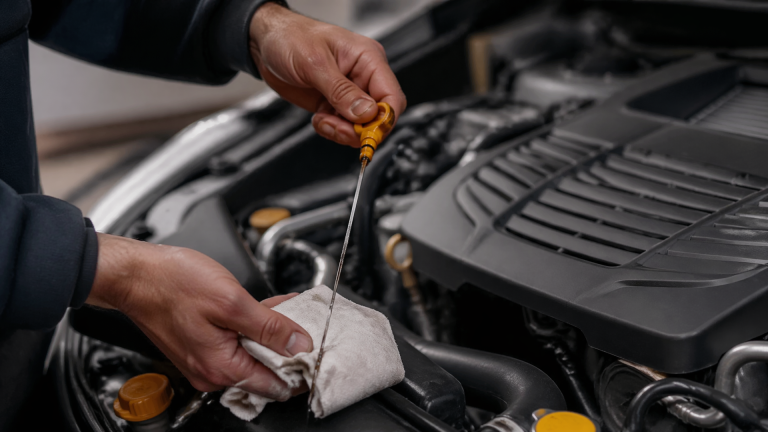
What to do first: Check oil level every 1,000 miles. If you’re losing more than 1 quart per 1,200 miles, move to the next step.
Branch: If PCV valve is clogged, replace it ($15–$30 part) – this fixes mild consumption. If that doesn’t help, switch to a high-quality 5W-30 full synthetic (QUARTZ 9000 FUTURE FGC 5W-30 or Mobil Super Synthetic).
Escalate threshold: If consumption remains above 1 quart per 1,000 miles after the PCV replacement and oil change, take the car to a Subaru dealer. The original warranty extension (up to 8 years/100k miles) may still apply for some 2011–2012 builds. For out-of-warranty cars, piston ring replacement costs $2,500–$4,000 – consider whether the car’s value justifies the repair.
CVT Transmission (2010–2018 Models)
Symptoms: Shudder at low speed, hesitation when accelerating from a stop, whining noise, delayed engagement.
Affected: SH and SJ XT trims most common; base SJ models less frequent.
What to do first: Check CVT fluid level and condition (amber color is normal; dark brown with burnt smell means trouble). Change CVT fluid every 30,000–60,000 miles using ONLY Subaru CVT-II or High-Torque CVT fluid – generic ATF will damage the transmission.
Branch: If the shudder disappears after a fluid change, monitor every 30k miles. If shudder returns or a check-engine light appears with CVT codes, the valve body may need replacement ($800–$1,200 including labor).
Escalate threshold: If the CVT shows no engagement or whining at highway speed, stop driving and have it towed to a dealer. A full CVT replacement costs $4,000–$7,000.
Suspension: Wheel Bearings
Symptoms: Rumbling noise that changes with speed, loose steering, uneven tire wear.
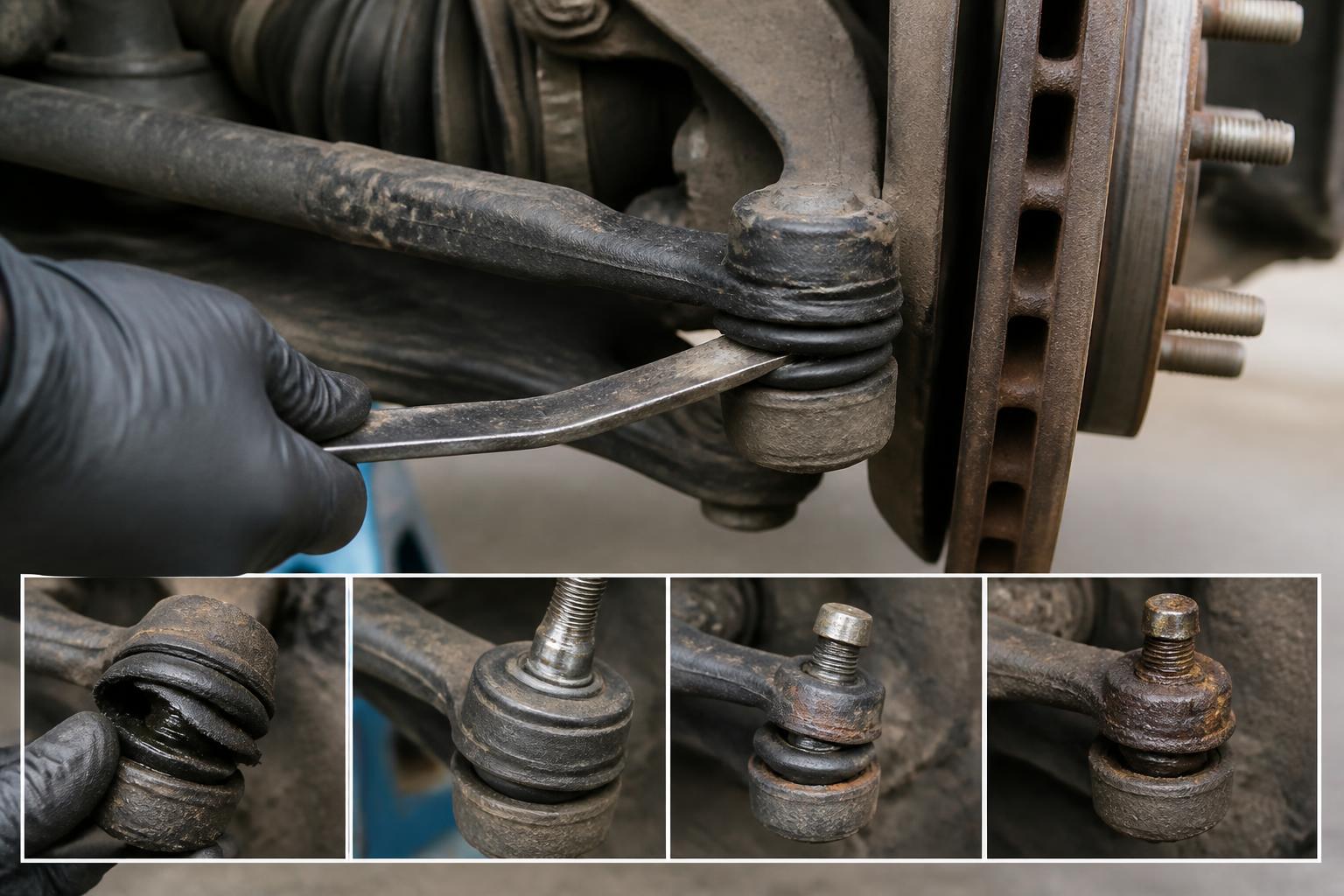
Affected: All generations, but SG and SH fail most often – rear wheel bearings at 60k–80k miles.
What to do first: Jack up the suspect corner and rock the wheel top-to-bottom – any play means the bearing is shot.
Fix: Replace bearing and hub assembly as a unit (not just the bearing). Aftermarket OE-quality assemblies cost about $120–$180 per side. A shop will charge $250–$400 per side.
Escalate threshold: If you hear a roaring noise that gets louder when turning, the bearing may be close to seizing. Replace immediately before the hub separates.
Infotainment and Starlink Glitches
Symptoms: Screen stuck on Subaru logo, Bluetooth fails to pair, navigation freezes, MySubaru app won’t connect.
Affected: 2014–2024 models; 2014–2016 SJ worst.
What to do first: Force a system restart – hold the power button (or volume knob) for 10–15 seconds until the screen goes black and reboots.
Branch: If the restart works but the problem returns within a day, update the software. You can download updates from the MySubaru owner’s portal and install via USB, or have the dealer do it.
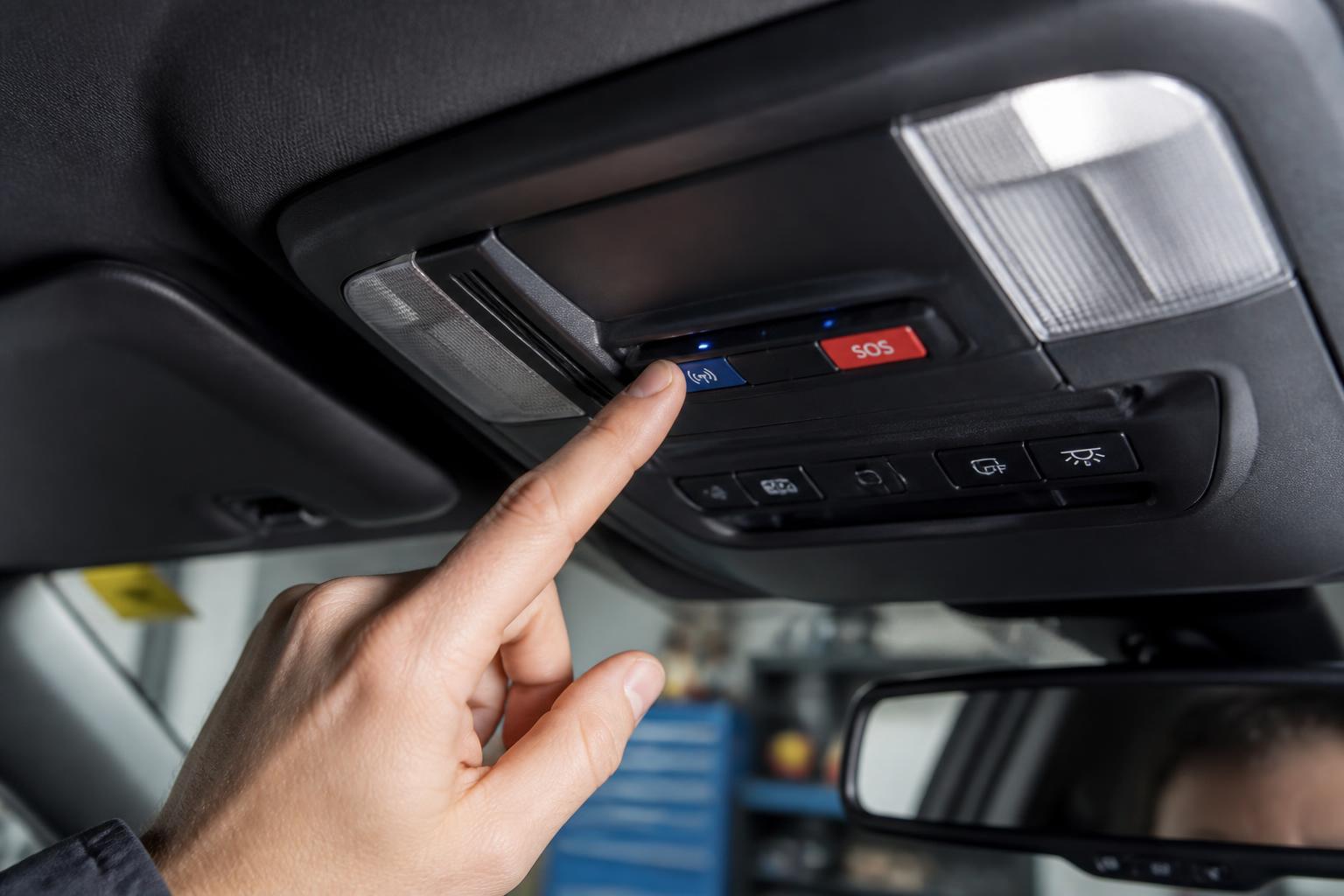
Starlink app won’t connect: Check the green LED on the rearview mirror module – solid green means cellular signal is good. If the LED is off, disconnect the car battery for 5 minutes to reset the module.
Escalate threshold: If the screen freezes continuously or refuses to boot after multiple resets, the head unit likely needs replacement (covered under the 3-year/36,000-mile basic warranty; $800–$1,500 out of pocket on older models).
Dimensions, Cargo Space, and Towing: What Fits and What Doesn’t
All measurements are approximate; check your specific trim’s owner’s manual for exact numbers.
| Generation | Cargo behind 2nd row | Cargo behind 1st row | Unbraked towing | Braked towing |
|---|---|---|---|---|
| SF (1998–2002) | 27 cu ft | 59 cu ft | 1,500 lb | 2,400 lb |
| SG (2003–2008) | 32 cu ft | 68 cu ft | 1,500 lb | 2,400 lb |
| SH (2009–2013) | 33 cu ft | 69 cu ft | 1,500 lb | 2,400–3,000 lb |
| SJ (2014–2018) | 34 cu ft | 68 cu ft | 1,500 lb | 2,400–3,000 lb |
| SK (2019–2024) | 28 cu ft (hybrid: 26) | 69 cu ft | 1,500 lb | 1,500 lb (no factory brake controller) |
| SK (2025 hybrid) | 26 cu ft | 65 cu ft | 1,500 lb | 1,500 lb |
Note: Braked towing above 2,400 lb requires a trailer brake controller and a Class III hitch. SK models (2019+) cannot tow braked loads above 1,500 lb because Subaru stopped offering a factory trailer brake controller. Check your hitch receiver – many 2009–2018 Foresters come with a 1.5-inch receiver on XT and Limited trims; earlier models may need an aftermarket hitch.
Cargo tip: The Forester’s square cargo area (especially in SH and SJ) fits 4×8 plywood sheets with the seats folded flat – rare in this class. SK models have a slightly narrower opening due to body styling.
Key Fob: Battery Swap, Programming, and Emergency Start
Battery Replacement (All Generations)
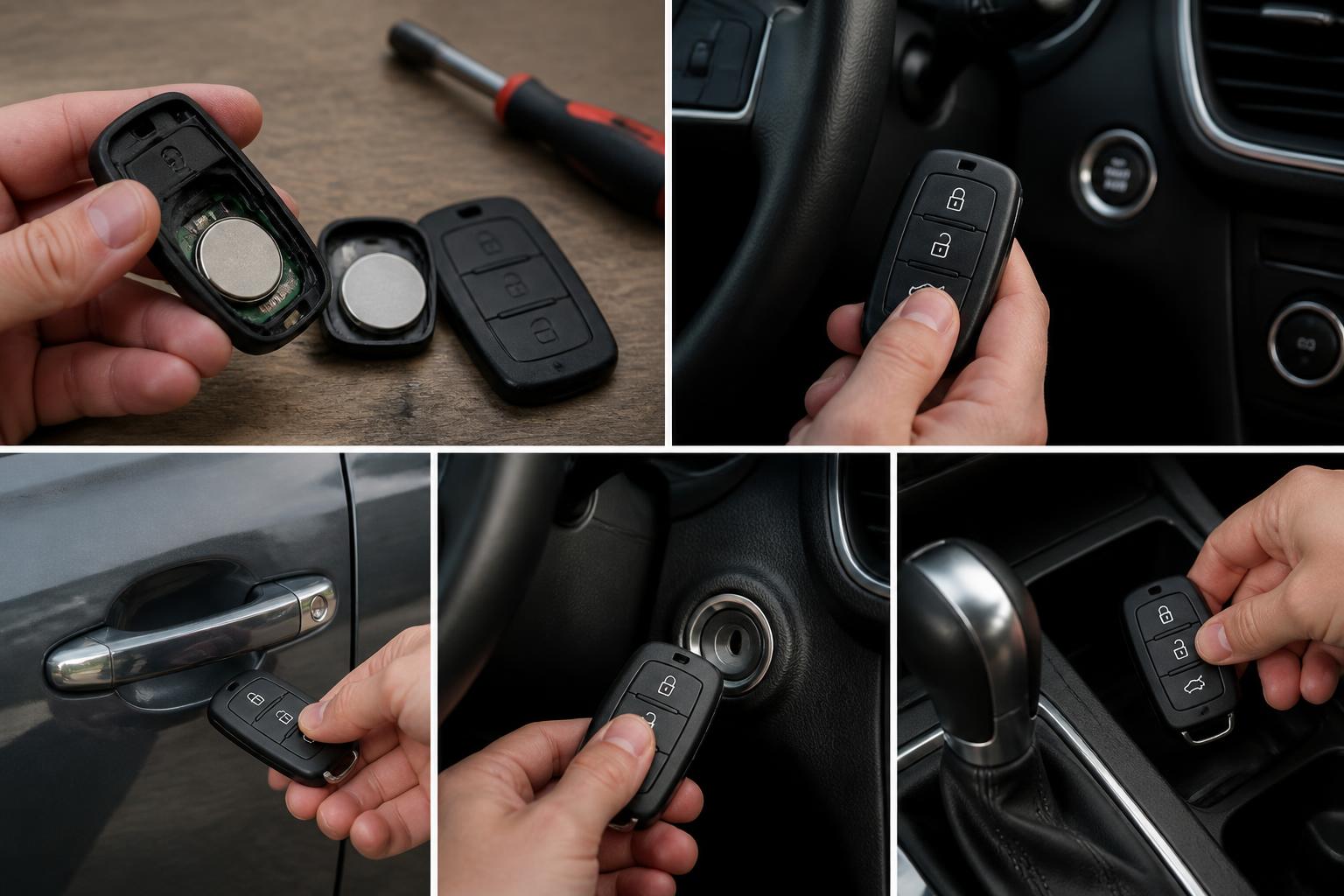
Uses a CR2032 coin cell. Pry open the fob at the notch (small flathead works). Test lock/unlock immediately – if it still intermittently fails, the fob may have weak solder joints and needs replacement.
Programming a New Fob – SG/SH Manual Method
1. Close all doors, insert key into ignition.
2. Within 5 seconds, turn from OFF to ACC 5 times (ending in ACC).
3. Horn chirps once.
4. Press any button on the new fob – horn chirps again.
5. Repeat for additional fobs.
6. Turn ignition to OFF.
Branch: If the horn doesn’t chirp after step 3, the car may not be in programming mode. Start over and turn the key more deliberately. If still no chirp, your fob may be incompatible (check part number) or the receiver module is faulty.
Push-Start Models (SJ/SK) – Dead Fob Backup
If the fob battery dies, hold the fob directly against the push-start button (the antenna in the button reads the fob’s NFC chip). The car will start and you can drive. Replace the fob battery as soon as possible – but this trick works even with a dead battery.
Escalate threshold: If a new fob battery doesn’t help range (drop to 10 feet or less), the fob is likely failing internally. Order a replacement from the dealer (or a certified locksmith with Subaru compatibility) before the fob dies completely.
Subaru Starlink: Setup, Resets, and When to Visit the Dealer
Initial Setup Steps
1. Download the MySubaru app (App Store or Google Play).
2. Create an account using your VIN (found on the dashboard or driver door jamb).
3. In the car, press the Starlink button on the rearview mirror or touchscreen. Follow voice prompts to pair your phone via Bluetooth.
4. Activate services: Safety & Security features (SOS, remote lock, vehicle locator) require a subscription – you get a free trial, then pay monthly.
Stopping Points for Common Issues
- App won’t connect: Check the green LED on the rearview mirror module. Solid green = cellular signal. If off, try a battery disconnect for 5 minutes.
- If still not connecting after a reset: The Starlink module (DCM) may need replacement – covered under warranty for 2019+ models; earlier models may cost $400–$600 plus labor.
- Screen freezes: Force restart (hold power button 10–15 seconds). If it freezes again within a day, update software via the owner’s portal.
- Navigation shows wrong location: Drive 10 minutes with clear sky view to reacquire GPS. If it persists, the GPS antenna may need replacement.
Escalate threshold: If the screen is completely unresponsive to resets and the car is still under the 3-year/36,000-mile basic warranty, take it to the dealer immediately – head unit replacement is covered.
Maintenance Cost Schedule and Critical Intervals
Use these intervals as a baseline; your owner’s manual may differ slightly depending on year and driving conditions.
| Service | Interval (miles) | Typical cost | Notes |
|---|---|---|---|
| Oil change (full synthetic 5W-30) | 6,000–7,500 | $60–$80 | Use API SN PLUS or higher; do not exceed 7,500 miles on turbo models. |
| Engine air filter | 30,000 | $20–$35 | Replace sooner if you drive on dusty roads. |
| Cabin air filter | 15,000–30,000 | $25–$40 | Check every 2nd oil change; a dirty filter reduces AC performance. |
| Spark plugs (iridium) | 60,000 (FB) / 105,000 (EJ) | $150–$250 | FB engines (2009+) use tighter intervals; skipping causes misfires. |
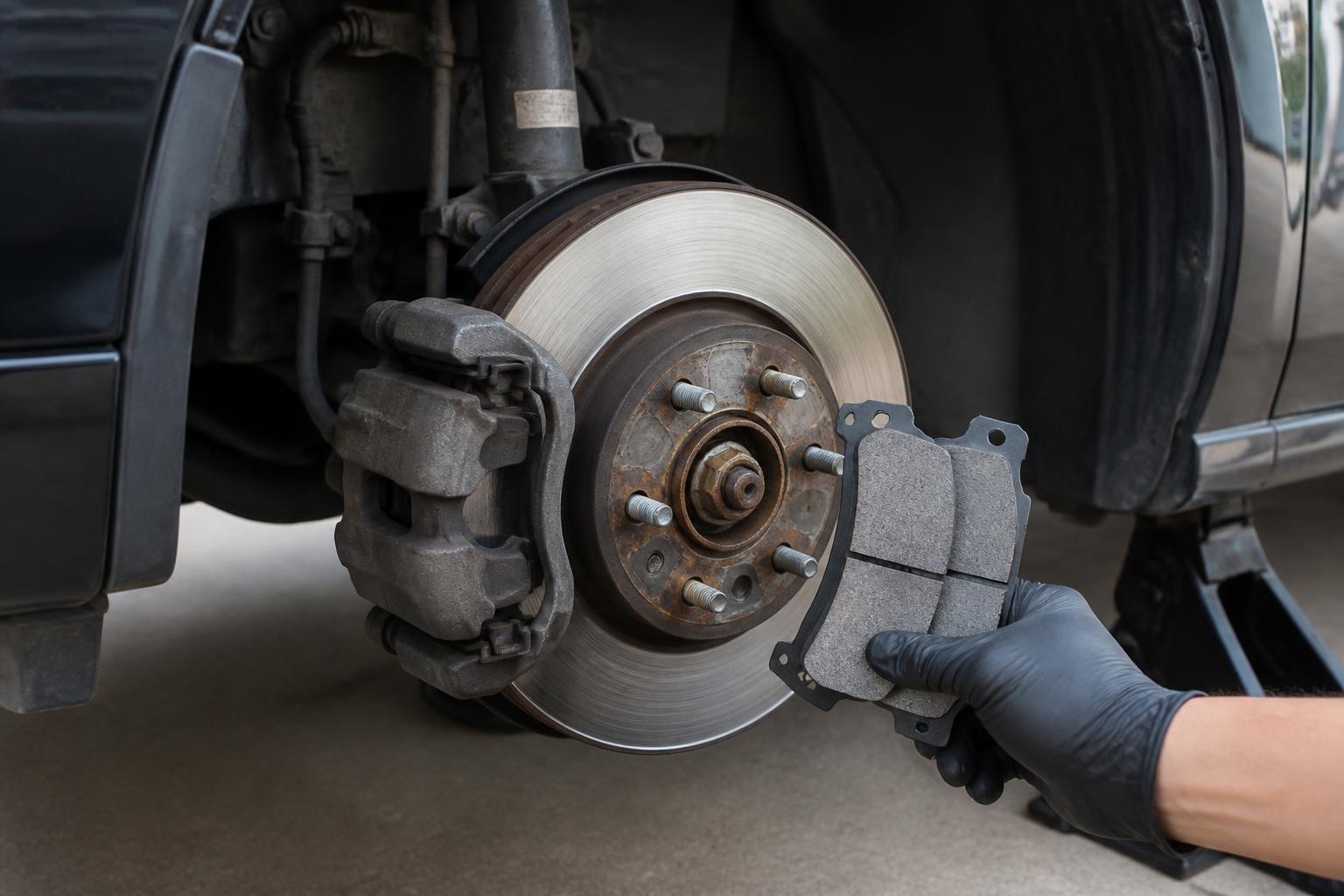
| Brake pads (front or rear) | 30,000–50,000 | $250–$400 per axle | Replace when pad thickness is 3mm or less; rotors often need resurfacing. |
|
| CVT fluid change | 30,000–60,000 | $300–$400 | Mandatory on 2010–2018 models; skipping leads to $4k+ transmission replacement. |
| Timing belt (EJ engines only) | 105,000 | $600–$900 | Interference engine – belt failure destroys valves. Replace water pump at same time. |
| Coolant flush | 30,000 | $100–$150 | Use Subaru Super Coolant (blue) or equivalent. |
| Differential fluid (AWD) | 30,000 | $80–$120 | Both front and rear; using wrong fluid can damage limited-slip diffs. |
Critical: On 2010–2018 models, do not use generic ATF in the CVT. Only Subaru CVT-II or High-Torque CVT fluid. A CVT fluid change every 30,000 miles is cheap insurance – many failures occur on cars that never had the fluid changed.
Best and Worst Model Years – Based on Owner Data and Shop Records
Best years:
- 2004–2005 SG: Peak of the naturally
Explore This Topic
Related guides in this cluster:

Greedy Wheels is the founder and lead editor at Wheels Greed. With over 15 years of hands-on automotive experience — from rebuilding engines in a home garage to managing fleet maintenance for a regional logistics company — he brings real-world mechanical knowledge to every guide.
His work has been featured in automotive forums, owner communities, and dealership training materials. When he’s not researching the latest car owner questions, you’ll find him at a local track day, wrenching on his project car, or testing the newest OBD2 diagnostic tools.
At Wheels Greed, every article is reviewed against manufacturer service manuals, NHTSA bulletins, and verified owner reports. No AI-generated fluff. No guesswork. Just practical answers from someone who has turned the wrench.