Hyundai Tucson: The Complete Owner’s Guide — Problems, Years to Avoid, and Maintenance
The Hyundai Tucson has been a solid compact SUV since 2005, but not every model year delivers the same reliability. The worst offenders are 2016–2018 models equipped with the Theta II engine—these are prone to catastrophic failure and have multiple recalls. The dual-clutch transmission (DCT) in those same years also has a poor track record. On the flip side, the 2010–2015 Tucson (with the earlier 2.4L or 2.0L engines) and the 2022+ redesigned model are far more dependable. Maintenance costs are about average for the segment, and the SUV offers good cargo space and fuel economy. Use this guide to decide which year to buy, what problems to watch for, and how to keep your Tucson running.
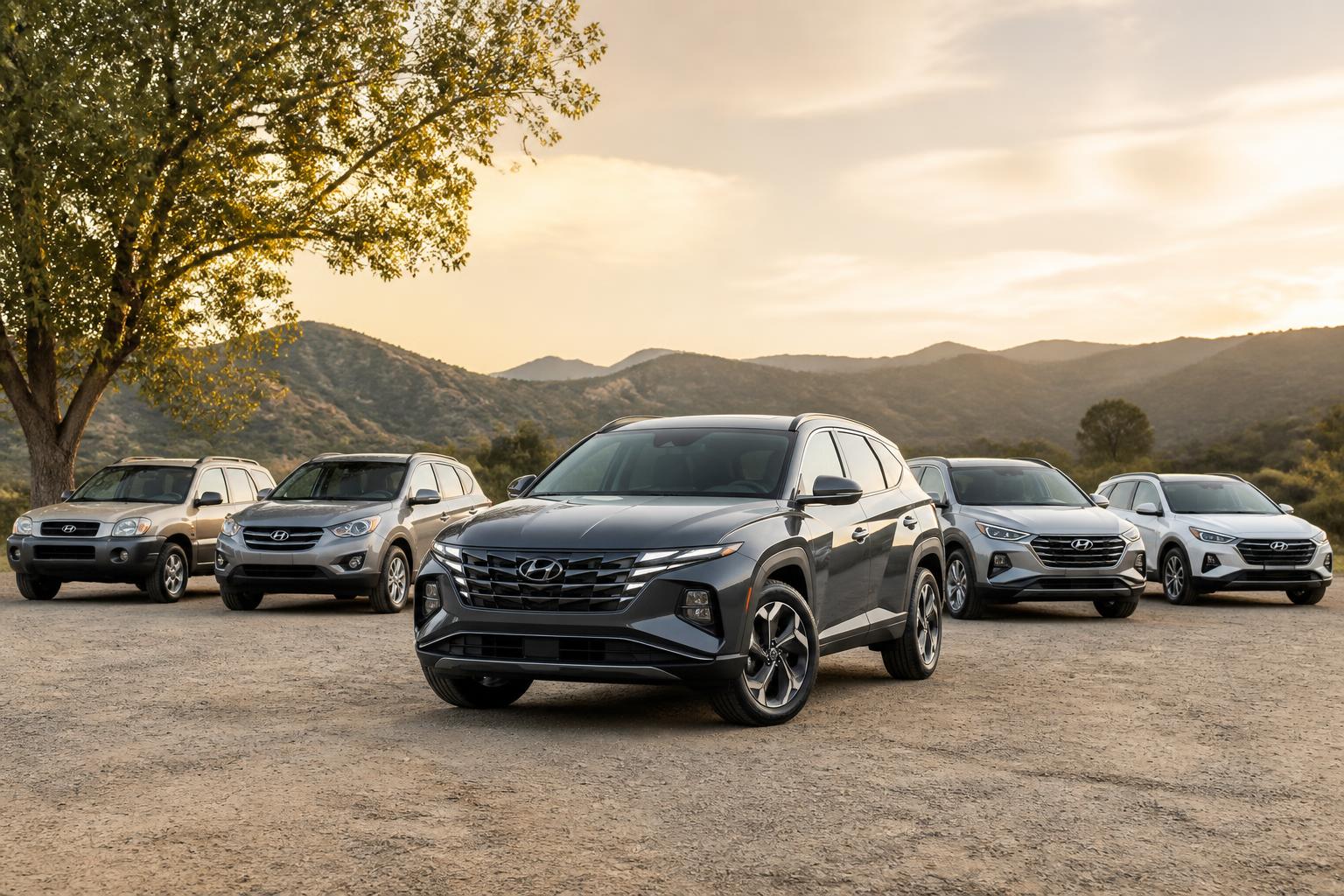
Reliability by Generation
Each generation of the Tucson has distinct strengths and weaknesses. Learn the generation boundaries so you know what you’re dealing with.
First Generation (2005–2009)
Solid, simple mechanicals. The 2.0L and 2.7L V6 engines are durable. No major systemic failures, but rust on older examples is common in salt-belt states. Manual and conventional automatic transmissions—no DCT headaches. If you’re looking at a 2005–2006 model, check the rear subframe for rust; corrosion can lead to costly structural repairs.
Second Generation (2010–2015)
This is the sweet spot for used buyers. The 2.4L GDI engine (not Theta II) and the 2.0L in base models are reliable. The six-speed automatic transmission is robust. Some owners report occasional AWD coupling issues but nothing widespread. Fuel economy is decent (22–31 mpg). The 2013–2015 facelift gets slightly better interior quality.
Third Generation (2016–2021)
Heavily redesigned, but plagued by engine and transmission problems, especially 2016–2018. The 2.0L and 2.4L Theta II engines have a known manufacturing defect causing bearing failure and engine fires. The 7-speed DCT in higher trims is jerky and prone to shuddering. The 2019–2021 models saw improvements (engine recall addressed, DCT tweaked) but still carry higher risk than earlier generations.
Fourth Generation (2022–Present)
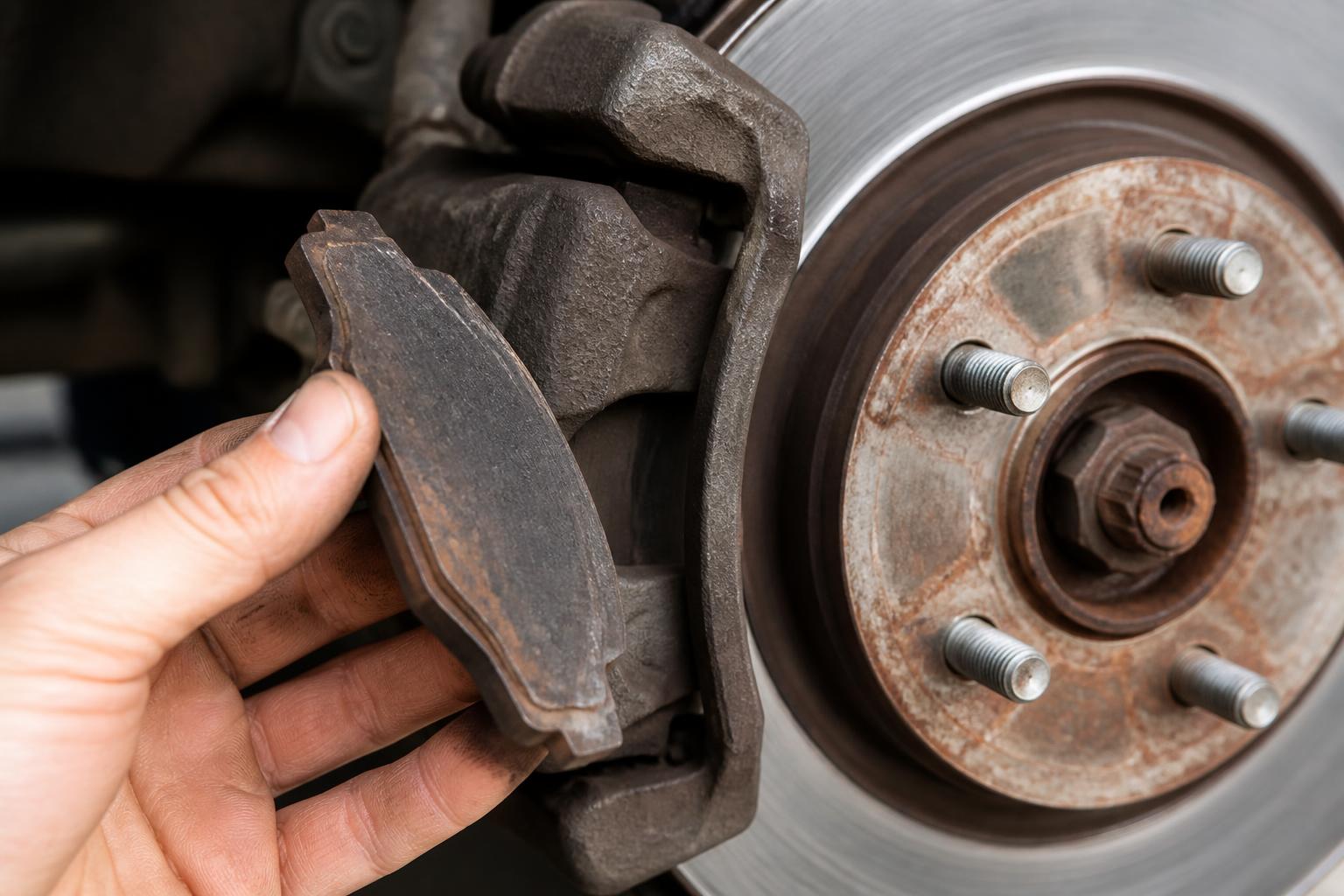
All-new platform with a 2.5L engine and conventional 8-speed automatic—no more Theta II. Reliability so far is much better. Some early 2022 models had minor electrical glitches (infotainment freezes), but nothing on the scale of the 2016–2018 disaster. Hybrid and plug-in hybrid variants use a different powertrain with good reports.
Common Problems
Engine Failure (2016–2018 Theta II)
The most serious issue. The 2.0L and 2.4L Theta II engines in 2016–2018 Tucsons can suffer from connecting rod bearing wear due to machining debris left during manufacturing. Symptoms: knocking noise from the engine, oil pressure warning light, and eventual seizure. Hyundai extended the warranty on these engines to 15 years/150,000 miles and issued recall campaigns (e.g., recall 175). If you own one, check your VIN at Hyundai’s recall site. If you’re buying used, insist on a record that the recall software update and engine inspection were performed. Even with the update, some engines still fail after the warranty extension.
Realistic branch: After you check your VIN, two outcomes are possible. If your VIN shows an open recall, schedule the update immediately—the engine will run a diagnostic test and may flag knocking before failure. If the VIN shows the recall was completed but you still hear a faint knock at idle, do not assume it’s normal. Drive to a Hyundai dealer and demand a compression test. Some engines that passed the recall inspection later developed bearing wear anyway, and catching it early can get you a replacement under the extended warranty.
Verification step: After the recall software is installed, perform a cold-start test. Start the engine after it has sat overnight and listen for any metallic tapping that fades over 10–15 seconds. If the noise persists for more than 30 seconds, or if the oil pressure light flickers during the test, the engine likely still has bearing damage. Repeat the test three mornings in a row; consistent noise means the repair needs escalation.
Failure mode: The most common mistake is ignoring the early knock because it only happens when the engine is cold and then quiets down. Owners often attribute it to “normal engine noise” or lifter tick. In reality, Theta II bearing wear is progressive. A quiet warm engine does not mean the damage is gone—it means the rod bearing gap has closed as metal expands. By the time the knock becomes audible when warm, seizure is imminent. Safer next move: if you hear any knock at any temperature, stop driving and have the engine inspected. Continuing to drive risks sudden failure on the highway.
DCT Transmission Issues (2016–2020)
The 7-speed dual-clutch transmission (used in 1.6T models) has frequent complaints: rough low-speed engagement, hesitation, shuddering, and clutch judder. Hyundai has released software updates and, in some cases, replaced clutch packs under warranty. The DCT is not suited for stop-and-go traffic—it overheats and wears faster than a traditional automatic. The 2022+ models dropped the DCT entirely, opting for a conventional 8-speed automatic. Avoid the 1.6T + DCT combination if you can.
Electrical Problems (2016–2021)
- Infotainment screen freezing or rebooting – common in 2016–2018 models with the 8-inch navigation system. A software update often fixes it; some owners needed a new head unit.
- Battery drain – some 2017–2019 Tucsons have parasitic draw from the BlueLink module or other electronics. If your battery dies overnight, check for aftermarket accessories first, then have the dealer test the system.
- Backup camera failure – reported in 2017–2020 models, often caused by a loose harness inside the liftgate. Fix requires reseating the connector.
Engine Oil Consumption (2011–2018)
The 2.4L engine (both Theta II and earlier GDI) in some 2011–2018 Tucson models burns oil at a high rate. If you own one, check the oil level every 1,000 miles. Hyundai considers 1 quart per 1,000 miles acceptable; many owners exceed that. The 2010–2015 models were less affected than 2016–2018. No factory fix besides monitoring—you may need to top off between changes.
Best and Worst Model Years
Years to Avoid
- 2016–2018 – Theta II engine failure risk, DCT issues, electrical glitches. These are the highest-risk years for major repairs. Even if the engine recall was done, the transmission remains a weak point.
- 2005–2006 – Rust-prone rear subframe in colder climates. Not as dangerous as engine failure, but corrosion can lead to costly structural repairs.
Recommended Years
- 2010–2015 – Reliable engine and transmission, fewer electronics, easy to maintain. The 2013–2015 facelift gets slightly better interior quality.
- 2022–2024 – New platform, good powertrain, decent tech. The 2022 had some early infotainment hiccups but those are covered under warranty. Hybrid versions are particularly efficient (38 mpg combined).
- 2007–2009 – Also reliable if rust-free, but they feel dated inside. Acceptable if you find a clean example for under $8,000.
Key Fob Battery and Programming
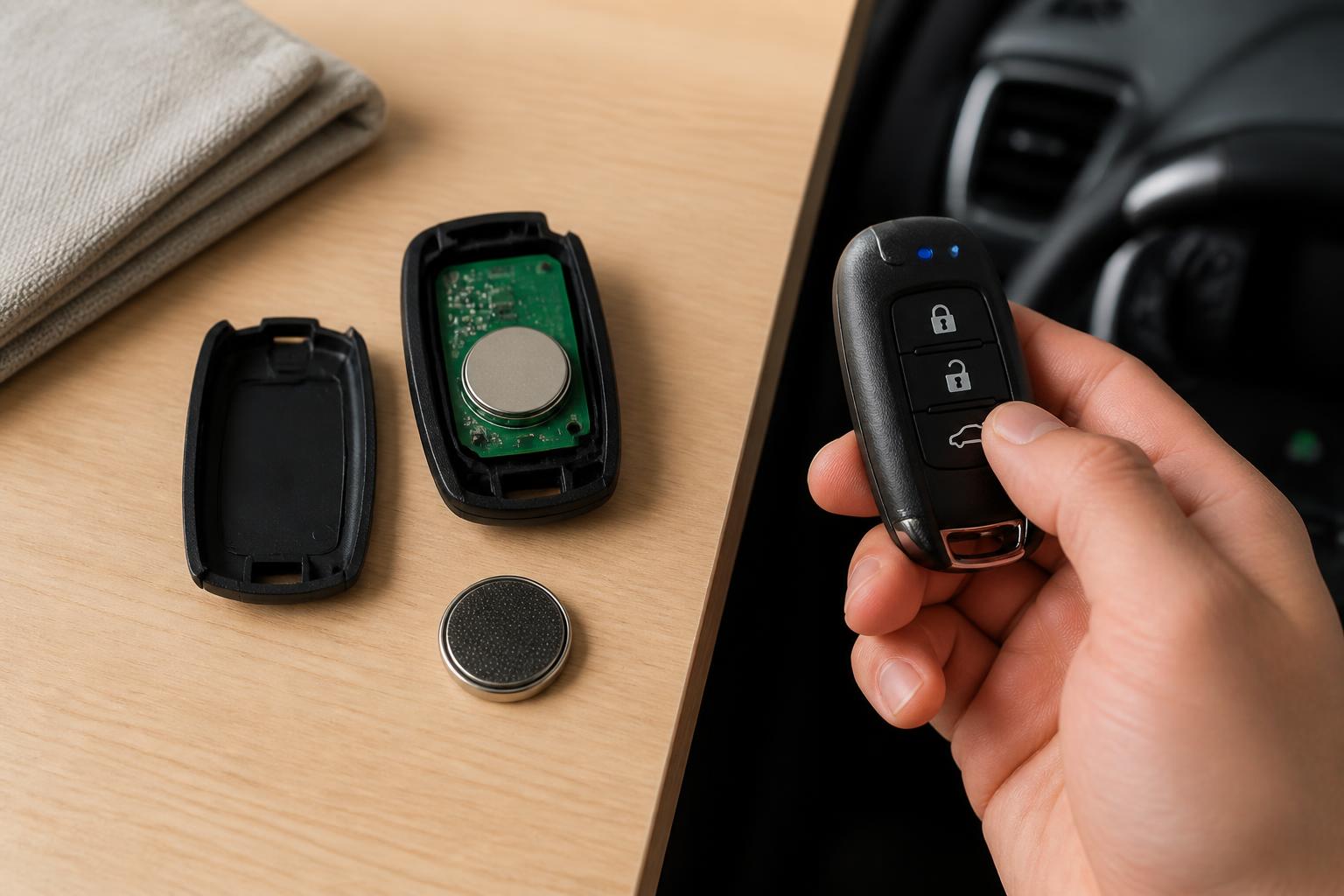
The key fob uses a CR2032 battery (3V). To replace: slide the mechanical key release, then pry open the fob case with a flathead screwdriver. Replace battery positive side up. No programming needed for a simple battery swap. If the fob stops working after battery replacement, try reprogramming: sit in the driver’s seat, press lock/unlock on the fob within 30 seconds of inserting the key. If that fails, consult the manual—some 2016+ models require a dealer scan tool for synchronization.
BlueLink Subscription Costs and Features
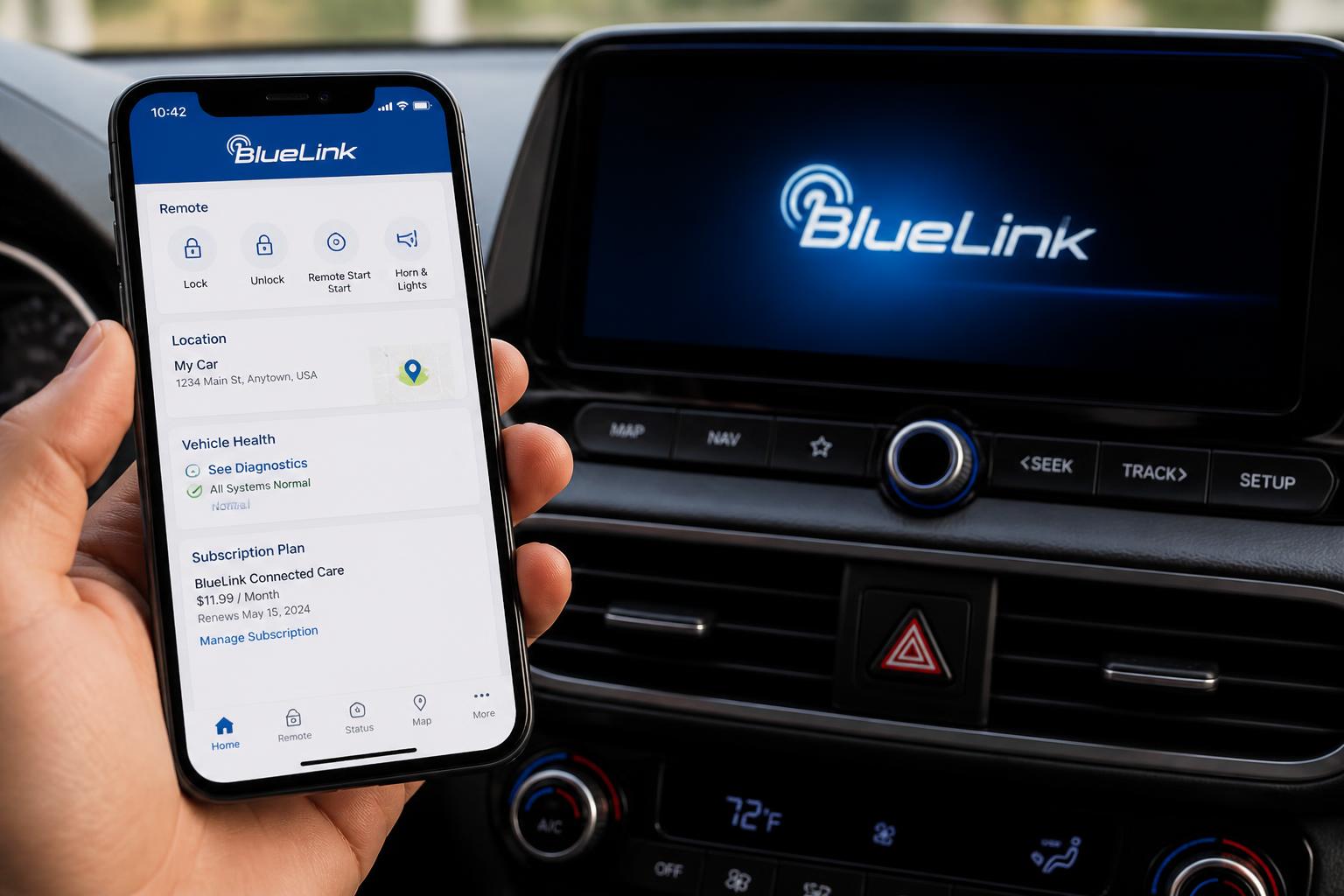
BlueLink is Hyundai’s connected services suite. It includes remote start, door lock/unlock, vehicle status, stolen vehicle recovery, and roadside assistance. Features vary by subscription tier:
- Connected Care – free for first 3 years (later 1 year on some models). Annual renewal ~$99.
- Remote – $9.90/month or $99/year after trial.
- Guidance (navigation) – $9.90/month after initial free period.
BlueLink also offers a Digital Key on 2022+ models (allows phone-as-key). Check your vehicle year; not all trims include the hardware. Note: BlueLink requires a cellular connection and stops working if the car’s telematics unit fails. No availability guarantee after 10 years—older models may lose support.
Maintenance Schedule and Costs
Hyundai recommends:
- Oil change every 7,500 miles (conventional) or 5,000 miles for severe service (frequent short trips, extreme temperatures). Use 5W-20 or 5W-30 per manual.
- Tire rotation every 7,500 miles.
- Cabin air filter every 15,000 miles.
- Engine air filter every 30,000 miles.
- Brake fluid flush every 30,000 miles.
- Spark plugs every 60,000 miles (2016+ models; earlier every 100,000).
- Coolant replacement every 60,000 miles.
Average annual maintenance cost for a Tucson (2016–2021) is about $450–$550, according to RepairPal. That’s on par with the Honda CR-V but less than a Ford Escape. The 2022+ models may be slightly higher due to added tech. Expect higher costs if you need a DCT repair or engine work outside warranty.
Dimensions and Cargo Space
Inside our Tucson is roomy for its class:
- Length: 182.3 inches (2022+) / 176.4 inches (2016–2021) / 173.5 inches (2010–2015)
- Width: 73.4 inches (2022+) / 70.9 inches (older)
- Cargo volume behind rear seats: 31.7 cu ft (2022+) / 30.7 cu ft (2016–2021) / 25.7 cu ft (2010–2015)
- Cargo with seats folded: 72.1 cu ft (2022+ non-hybrid) / 57.7 cu ft (older)
The 2022+ model’s wider stance and longer wheelbase give it more legroom and cargo space than the previous generation. The hybrid/plug-in hybrid versions have slightly less cargo space due to the battery (about 30 cu ft behind seats).
Fuel Economy by Engine
| Engine | EPA MPG (City/Highway/Combined) | Notes |
|---|---|---|
| 2.0L (2005–2009) | 20/26/22 | Regular gas, reliable but low tech |
| 2.7L V6 (2005–2009) | 18/24/20 | Enjoyable but thirstier |
| 2.4L (2010–2015) | 21/29/24 | Best balance for older models |
| 2.0L Theta II (2016–2021) | 23/28/25 | Base engine, same reliability concerns |
| 2.4L Theta II (2016–2021) | 22/28/25 | Avoid if possible |
| 1.6T + DCT (2016–2021) | 25/30/27 | Worst transmission trade-off |
| 2.5L (2022–present) | 23/28/25 (non-hybrid) | Reliable, solid power |
| Hybrid (2022–present) | 38/38/38 | Excellent efficiency |
| Plug-in Hybrid (2022–present) | 35/35/35 (gas-only) + 33-mile EV range | Good for short commutes |
Real-world fuel economy usually matches EPA numbers within 1–3 mpg, but the DCT models may see worse city mileage if driven aggressively. The hybrid is the clear winner for gas savings.
If you own a Tucson, prioritize checking the engine recall status for 2016–2018 models and keep up with oil changes. For buyers, stick with 2010–2015 or 2022+ to avoid the worst of the Theta II and DCT headaches. The Tucson is a capable, practical SUV—as long as you pick the right year and maintain it properly.

Greedy Wheels is the founder and lead editor at Wheels Greed. With over 15 years of hands-on automotive experience — from rebuilding engines in a home garage to managing fleet maintenance for a regional logistics company — he brings real-world mechanical knowledge to every guide.
His work has been featured in automotive forums, owner communities, and dealership training materials. When he’s not researching the latest car owner questions, you’ll find him at a local track day, wrenching on his project car, or testing the newest OBD2 diagnostic tools.
At Wheels Greed, every article is reviewed against manufacturer service manuals, NHTSA bulletins, and verified owner reports. No AI-generated fluff. No guesswork. Just practical answers from someone who has turned the wrench.