Ford Escape: The Complete Owner’s Guide (All Generations)
Whether you’re shopping for a used Ford Escape, maintaining one in your driveway, or deciding which model year to avoid, this guide covers the essentials across all generations. The Ford Escape has been in production since 2001, spanning four distinct generations with dramatically different engines, transmissions, and technology. Below you’ll find the common problems, cargo dimensions, fuel economy, safety features, SYNC and key fob tips, maintenance costs, and a clear breakdown of the best and worst model years.

Generation Overview: 2001–2025
The Escape has gone through four major redesigns. Knowing which generation you’re dealing with is the first step to understanding its quirks and strengths.
First Generation (2001–2007)
- Platform: Shared with the Mazda Tribute and Mercury Mariner.
- Engines: 2.0L I4 (Zetec), 3.0L V6 (Duratec). A hybrid variant arrived in 2005.
- Transmission: 4-speed automatic on I4; 4-speed and later 5-speed automatic on V6. Manual transmission available on early I4 models.
- Key traits: Simple, durable, easy to work on. Rust on rear quarter panels is common in salt-belt states. The hybrid version uses a Ford eCVT that is generally reliable.
- Real-world note: The 3.0L V6 with the 5-speed automatic is the most reliable powertrain combination of this generation. When shopping, check the rear wheel bearings—they fail around 80,000–100,000 miles on AWD models.
Second Generation (2008–2012)
- Platform: Updated version of the first-gen platform.
- Engines: 2.5L I4 (Duratec), 3.0L V6. Hybrid continues.
- Transmission: 4-speed automatic (I4 2008–2009), 6-speed automatic (I4 2010–2012 and all V6), and eCVT (hybrid).
- Key traits: More interior space, better crash scores. The 2010 switch to the 6-speed automatic on I4 models significantly improved highway fuel economy.
- Real-world note: The 2.5L I4 with the 6-speed automatic is a dependable, low-maintenance combination. Avoid early 2008–2009 I4 cars with the 4-speed—they’re underpowered and drink more gas on the highway. The blend-door actuator for the HVAC system frequently fails on this generation and makes a clicking sound behind the dashboard; expect a $300–$500 repair at a shop.
Third Generation (2013–2019)
- Platform: Ford’s global C-platform (shared with Focus, C-Max, and Mazda 3).
- Engines: 1.6L EcoBoost I4, 2.0L EcoBoost I4, 2.5L I4 naturally aspirated, and 1.5L EcoBoost I4 (from 2017). Also available as a plug-in hybrid (Energi) through 2019.
- Transmission: 6-speed automatic (6F35) on all non-hybrid models. eCVT on Energi.
- Key traits: Much sharper styling, better handling, but significantly more complex powertrains with well-documented problems.
- Real-world note: The 2.5L naturally aspirated I4 is the most reliable engine in this generation. The 1.6L and 1.5L EcoBoost engines have a known coolant-intrusion issue (see below). When shopping, budget for a transmission fluid change immediately if there’s no service record—many owners skip it because Ford calls it “lifetime” fluid.
Fourth Generation (2020–Present)
- Platform: Updated C2 platform.
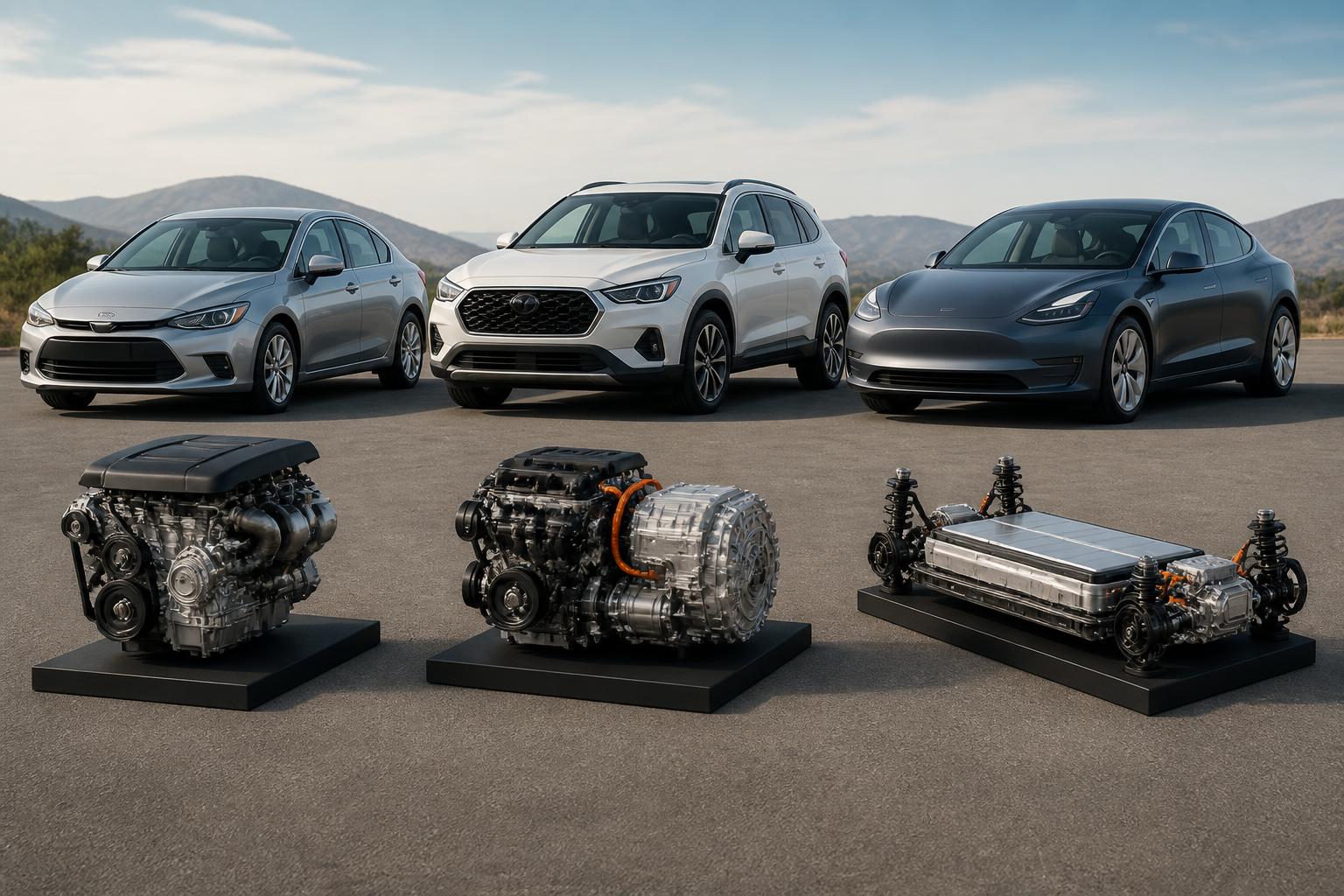
- Engines: 1.5L EcoBoost I4 (3-cylinder from 2020–2022, then updated 4-cylinder from 2023+), 2.0L EcoBoost I4, 2.5L I4 hybrid, and 2.5L plug-in hybrid.
- Transmission: 8-speed automatic (1.5L), 8-speed automatic (2.0L), and eCVT (hybrid).
- Key traits: More refined interior, standard Co-Pilot360 safety suite, improved fuel economy across the board. The 2023 refresh added a revised 1.5L 4-cylinder and updated SYNC 4.
- Real-world note: The hybrid and plug-in hybrid models are the most fuel-efficient and have the best reliability reputation in this generation. If you own a 2020–2021 Escape with the 1.5L three-cylinder, pay attention to the coolant level—the early cylinder-head design can develop slow leaks.
Engine Problems to Watch For
The most expensive failures on the Escape are engine-related. Here are the specific ones to know, plus what you can check in your driveway before spending money at a shop.
Coolant Intrusion on 1.5L and 1.6L EcoBoost (2013–2019)
The 1.5L and 1.6L EcoBoost four-cylinder engines have a design flaw where the cylinder head can develop cracks near the cooling passages. Coolant leaks into the combustion chamber, causing white smoke, misfires, and eventually a hydrolocked engine. This affects roughly model years 2013–2019, with the 1.6L used from 2013–2016 and the 1.5L from 2017–2019.
- Symptoms: Sweet smell from exhaust, loss of coolant with no visible external leak, rough idle, white smoke from tailpipe.
- Cost to fix: Replacement engine runs $4,000–$6,000 at a shop.
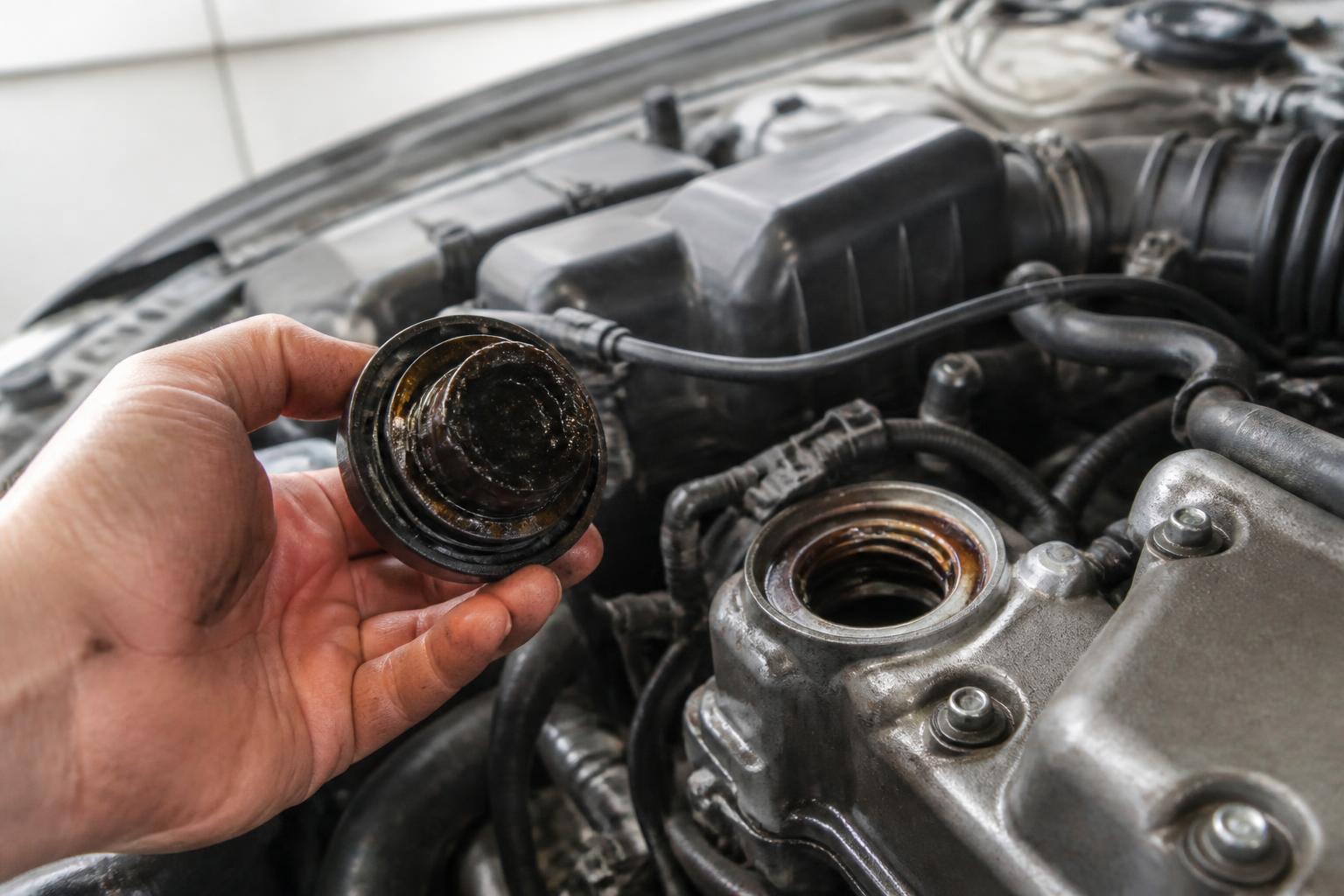
- How to check (do this before buying): Pull the dipstick—if it smells like coolant or looks milky, walk away. Also check the coolant reservoir for bubbling while the engine is running. If you see bubbles, combustion gases are entering the cooling system.
- Branch point: If the dipstick looks clean but the coolant level has dropped over three months with no visible leak, ask a mechanic for a cylinder-leak-down test. That test costs about $150 and can catch early-stage intrusion before the engine is damaged.
- Stop threshold: If white smoke is visible from the tailpipe during startup or acceleration, stop driving the vehicle and get it towed to a shop. Continuing to drive with coolant in the cylinders can bend a connecting rod, raising the repair cost by another $1,000–$2,000.
Transmission Failure on Third-Generation Models
The 6F35 six-speed automatic used in 2013–2019 Escapes has a reputation for harsh shifting, torque-converter failure, and early wear—especially when the transmission fluid has never been changed.
- Symptoms: Hard 1-2 or 2-3 upshift, shudder at low speeds, delayed engagement when shifting from Park to Drive.
- Prevention: Change the transmission fluid every 30,000–40,000 miles. Ford calls it “lifetime” fluid, but that lifetime ends at about 80,000–100,000 miles for many owners.
- Verification: After a fluid change, take the car through stop-and-go traffic for 15 minutes. If the hard 1-2 upshift returns within the first week, the torque converter may already be damaged and a rebuild is the next step.
- Cost to fix: A rebuilt transmission runs $2,500–$3,500.
EcoBoost Coolant Leak (2020–2022 1.5L 3-Cylinder)
The first-generation 1.5L three-cylinder EcoBoost in 2020–2022 Escapes also had a coolant-leak problem, though it is less common than the third-gen 1.5L/1.6L issue. Ford revised the cylinder head for the 2023 model year.
What to do if you own one: Check the coolant reservoir level every oil change. If it drops below the “Min” line and there’s no puddle under the car, schedule a pressure test. Ford has issued technical service bulletins (TSB 22-2104) covering this issue—some repairs may be covered under the 5-year/60,000-mile powertrain warranty even if the vehicle is out of basic bumper-to-bumper coverage.
Ford Escape Dimensions and Cargo Space
The Escape has grown significantly over the years. Here’s how each generation compares.
| Generation | Wheelbase | Length | Width | Height | Cargo Behind 2nd Row | Max Cargo (Seats Down) |
|---|---|---|---|---|---|---|
| 2001–2007 | 103.1 in | 174.6 in | 70.1 in | 68.9 in | 27.0 cu ft | 66.3 cu ft |
| 2008–2012 | 103.9 in | 178.1 in | 72.0 in | 70.0 in | 28.9 cu ft | 68.0 cu ft |
| 2013–2019 | 105.9 in | 178.1 in | 72.4 in | 67.1 in | 34.0 cu ft | 68.0 cu ft |
| 2020–2024 | 106.7 in | 181.4 in | 74.1 in | 67.6 in | 34.4 cu ft | 60.8 cu ft |
| 2025+ | 106.7 in | 181.4 in | 74.1 in | 67.6 in | 34.4 cu ft | 60.8 cu ft |
Note: The 2020+ generation actually has less max cargo with seats folded than the 2013–2019, even though it’s a larger vehicle overall. The sloped roofline and deeper rear seatwell reduce the usable volume when the seats are down. If you frequently haul tall items like potted plants or small furniture, the 2013–2019 generation is more practical despite being older.
Fuel Economy by Powertrain
Fuel economy differences between engines and years are substantial. Below are EPA combined figures for the most common configurations. All values are for FWD unless noted; AWD typically subtracts 1–3 MPG.
| Engine | Years | Combined MPG (FWD) | Combined MPG (AWD) | Notes |
|---|---|---|---|---|
| 2.0L I4 (2001–2007) | 2001–2007 | 22 | 21 | Underpowered; avoid |
| 3.0L V6 (2001–2007) | 2001–2007 | 20 | 19 | Most reliable of first gen |
| 2.5L I4 (2008–2012) | 2008–2012 | 25 (2010–2012) | 24 | 6-speed auto key to mpg |
| 3.0L V6 (2008–2012) | 2008–2012 | 22 | 21 | Adequate but thirsty |
| 2.5L I4 (2013–2019) | 2013–2019 | 26 | 25 | Best non-hybrid choice |
| 1.6L EcoBoost (2013–2016) | 2013–2016 | 26 | 25 | Coolant intrusion risk |
| 2.0L EcoBoost (2013–2019) | 2013–2019 | 25 | 24 | Good power but premium fuel recommended |
| 1.5L EcoBoost (2017–2019) | 2017–2019 | 27 | 26 | Same coolant intrusion |
| 1.5L EcoBoost 3-cyl (2020–2022) | 2020–2022 | 28 | 27 | Coolant leak TSB |
| 2.0L EcoBoost (2020–2024) | 2020–2024 | 26 | 25 | Strong performer |
| 2.5L Hybrid (2020–2024) | 2020–2024 | 41 | 39 | Best fuel economy |
| 2.5L PHEV (2020–2024) | 2020–2024 | 40 (gas only) | 38 | Up to 37 miles EV range |
Real-world takeaway: If fuel economy is your priority, get a 2020+ hybrid. If you need a used 2013–2019, the 2.5L naturally aspirated I4 gives you 26 MPG combined and avoids the expensive engine repairs of the EcoBoost options.
Ford Co-Pilot360: What’s Standard and What Works
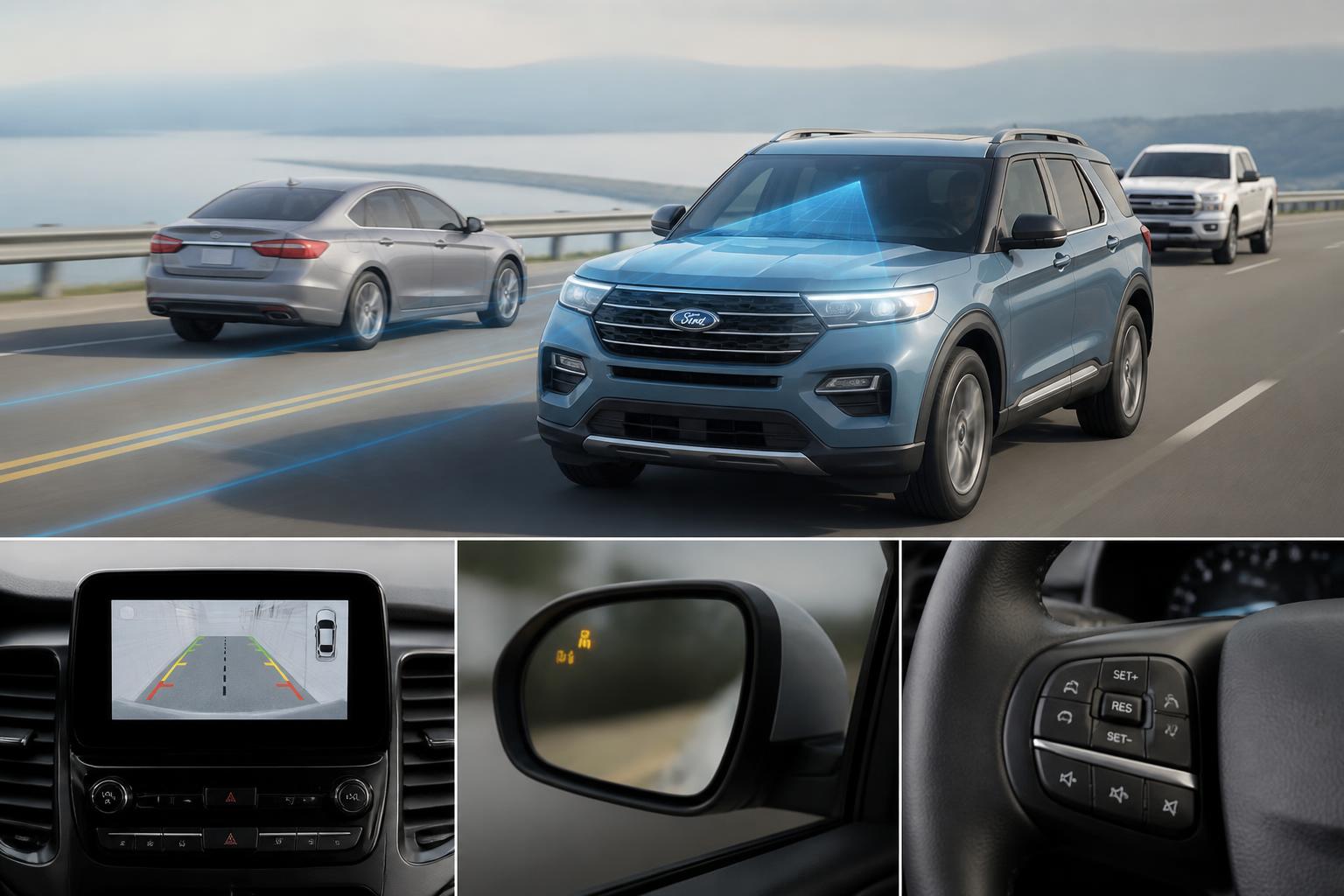
Starting with the 2020 model year, Ford made Co-Pilot360 a standard safety suite on the Escape. The package includes:
- Pre-Collision Assist with Automatic Emergency Braking – Works at city speeds; can detect pedestrians and cyclists.
- Blind Spot Information System (BLIS) with Cross-Traffic Alert – Covers vehicles in adjacent lanes and when backing out of parking spots.
- Lane-Keeping System – Lane departure warning plus lane-keeping assist that applies gentle steering correction.
- Rear View Camera – Standard but upgraded on higher trims to a 180-degree split view.
- Auto High-Beam Headlamps – Switches between high and low beams automatically.
On 2013–2019 models, these features were optional or came only on higher trims (Titanium, often). If you’re buying a used third-gen Escape, check the window sticker or VIN decoder to see if BLIS and lane-keeping are present—they’re rare on SE and S trims. On 2020–2024 models, they’re all standard, which is a significant safety upgrade over older generations.
What it’s like to live with: The Lane-Keeping System on newer Escapes can be overly sensitive on narrow country roads, occasionally tugging the wheel when you deliberately cross a faded lane line. You can reduce the sensitivity in the SYNC settings menu. The automatic emergency braking generally works well but can false-trigger on metal bridge expansion joints at highway speed; Ford has addressed this in later software updates (check for SYNC updates).
Key Fob and SYNC Setup
Key Fob Battery Replacement
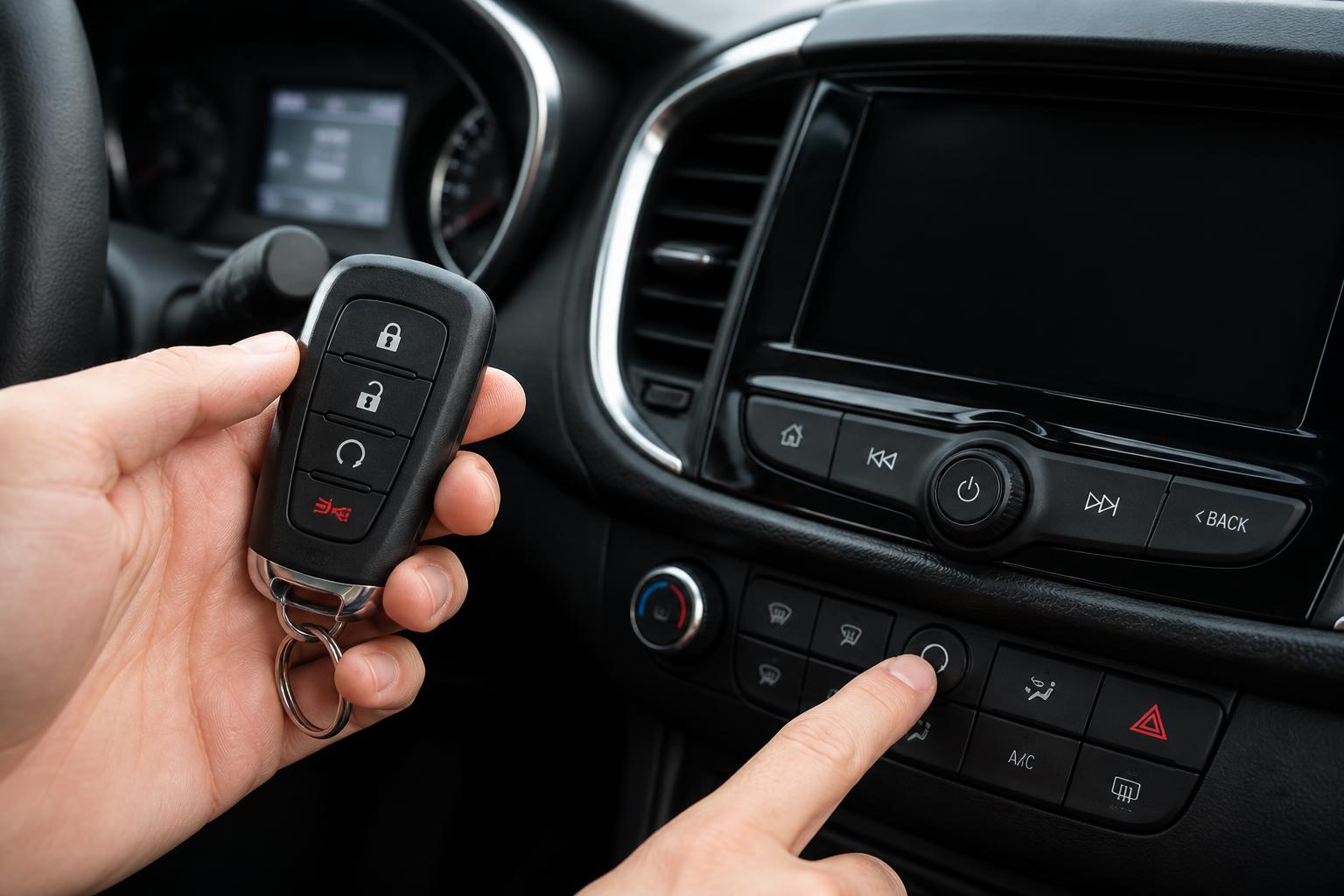
When your Escape’s fob stops unlocking from 30 feet, the battery is likely low. You can replace it yourself.
Steps for all 2008+ fobs (similar for 2001–2007, but check manual for variant):
1. Press the release button on the back of the fob and slide the metal key out.
2. Use the key or a small flathead screwdriver to gently twist the two halves apart at the seam.
3. Remove the old battery (typically CR2032 or CR2025—check the old one for the number).
4. Insert the new battery with the positive (+) side up (same orientation as the old one).
5. Snap the fob halves back together and reinsert the metal key.
Explore This Topic
- Can A Ford Escape Tow A Trailer
- How To Connect Bluetooth In Ford Escape
- How To Extend The Life Of Your 2017 Ford Escape

Greedy Wheels is the founder and lead editor at Wheels Greed. With over 15 years of hands-on automotive experience — from rebuilding engines in a home garage to managing fleet maintenance for a regional logistics company — he brings real-world mechanical knowledge to every guide.
His work has been featured in automotive forums, owner communities, and dealership training materials. When he’s not researching the latest car owner questions, you’ll find him at a local track day, wrenching on his project car, or testing the newest OBD2 diagnostic tools.
At Wheels Greed, every article is reviewed against manufacturer service manuals, NHTSA bulletins, and verified owner reports. No AI-generated fluff. No guesswork. Just practical answers from someone who has turned the wrench.