BMW X3 and X5: The Complete Owner’s Guide
If you own a BMW X3 or X5—or are deciding which to buy—this guide covers the reliability differences across generations, the most common mechanical problems you’ll actually encounter, real cargo and towing specs, how to use and reset iDrive, typical maintenance costs, and a practical comparison that helps you pick the right model for your situation.

Reliability by Generation and Engine
BMW has produced four generations each of the X3 and X5. The engine under the hood matters more for long-term reliability than the generation number alone.
X3 Generations
E83 (2004–2010) – First generation, sold as a 3.0i (N52 inline-6) or 3.0d (M57 diesel). The N52 is generally sound but develops coolant leaks from the expansion tank and water pump by 80,000–100,000 miles. The M57 diesel is durable, but the diesel particulate filter (DPF) and EGR system can clog, and repairs run $1,500–$3,000.
F25 (2011–2017) – Second generation. The base engine is the N20 4-cylinder turbo, which has a known timing chain failure issue between 60,000 and 90,000 miles. The N55 inline-6 turbo in the xDrive35i is more reliable, though the plastic charge pipe can crack under boost. The ZF 8-speed automatic is excellent if serviced every 50,000–60,000 miles.
G01 (2018–present) – Third generation. The B48 (4-cylinder) and B58 (6-cylinder) engines are significantly more reliable than the N20 and N55. The B58, in particular, is one of BMW’s best modern engines. Common issues are minor: coolant leaks from the expansion tank seam, and a small number of 48V mild hybrid starter-generator failures on 2020–2022 models.
X5 Generations
E53 (2000–2006) – First generation. The M54 inline-6 (3.0i) is reliable if the cooling system is maintained. The N62 V8 (4.4i, 4.6is) has valve stem seal failure that causes heavy oil consumption—a $3,000–$5,000 repair. Rear air suspension (optional) is a known failure point; springs crack and the compressor burns out.
E70 (2007–2013) – Second generation. Safest engine picks: the N55 (xDrive35i) or the M57 diesel. The early N63 V8 (2008–2012) has multiple issues: fuel injector failure, high-pressure fuel pump failure, and carbon buildup on intake valves. Air suspension problems are common—both rear and four-corner setups fail on compressor and air springs.
F15 (2014–2018) – Third generation. The N55 improved, and the N63TU (updated V8) is much more reliable than the original N63. Transfer case actuator motor failures are common on this generation.
G05 (2019–present) – Fourth generation. The B58 is excellent. The N63TU3 V8 is the most reliable BMW V8 to date. Air suspension durability has improved, but the air compressor can still fail around 60,000–80,000 miles. The 48V mild hybrid system has occasional electronic faults, usually covered under warranty.
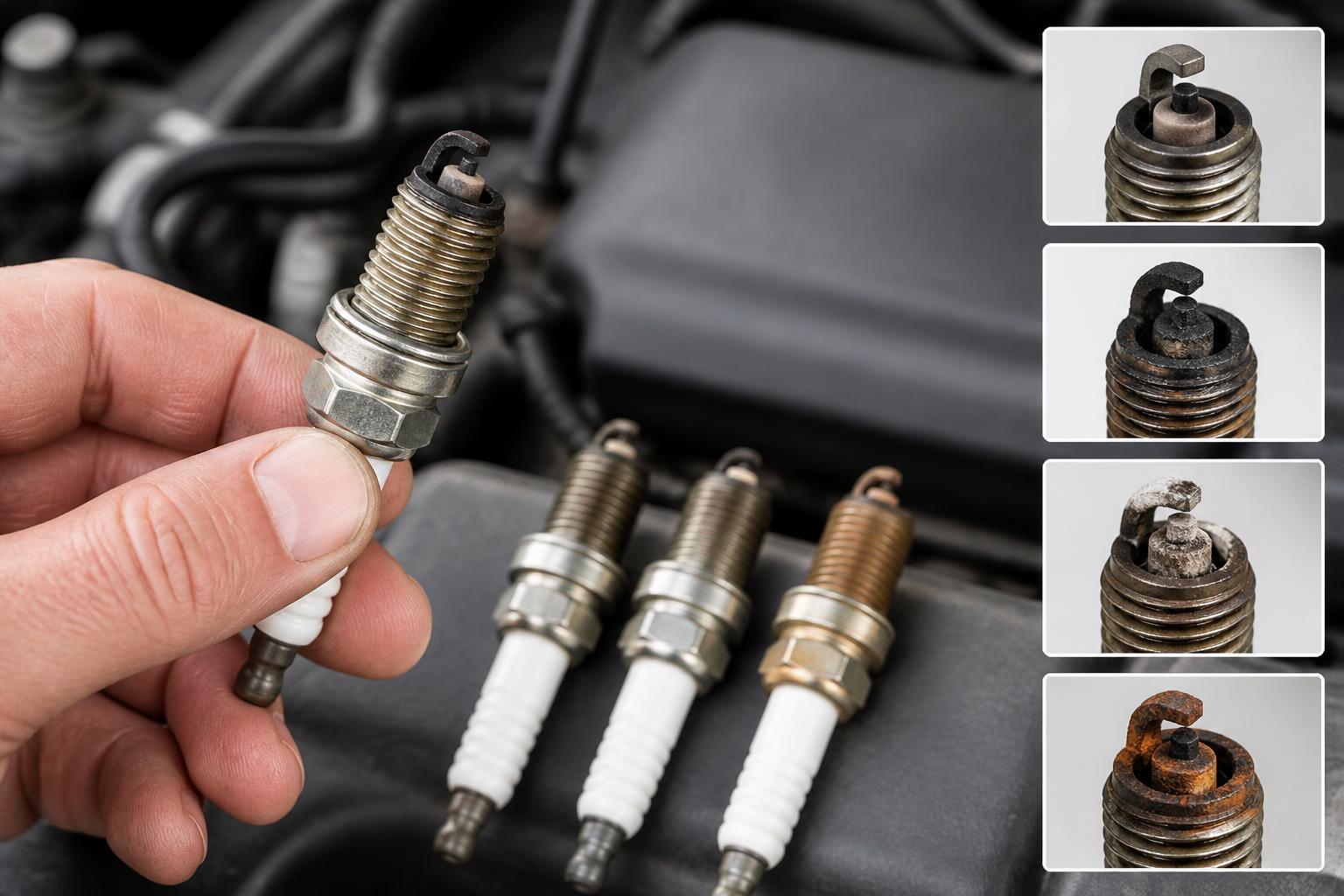
What to do now: Check which engine your model has. If it’s an N20, budget for timing chain service. If it’s an N55, plan to upgrade the charge pipe. If you’re shopping, target a 2018+ X3 (G01) or 2019+ X5 (G05) with the B58 engine for the best balance of performance and reliability.
Common Problems and What to Watch For
N20 Timing Chain Failure (X3 F25, 2011–2016)
The plastic chain guide on the N20 engine can break between 60,000 and 90,000 miles. You will hear a rattling noise on cold start, and the check engine light will show timing correlation codes (P0011, P0012, or similar). If you ignore it, the chain can jump timing and destroy the engine. Replacement parts (chain, guides, tensioner) cost about $2,000–$3,500 at an independent shop. BMW revised the guide material, but there is no recall. Check the service history before buying an N20 X3.
N55 Charge Pipe Failure (X3 F25, X5 E70/F15)
The factory plastic charge pipe on the N55 engine cracks under boost after about 60,000 miles, especially if the engine has been tuned. You will lose power and get a check engine light with a boost pressure plausibility code. Replace it with an aluminum aftermarket charge pipe ($200–$400) to solve it permanently. This is a DIY job—remove two clamps, swap the pipe, and reconnect. Confirm the fix works by taking a test drive: the engine should pull smoothly to redline without any hesitation.
Realistic branch: If the check engine light comes back with the same boost code after replacing the charge pipe, the failure may have damaged the boost pressure sensor or the wastegate actuator. Stop and have a shop diagnose further. Do not keep driving with the light on—it can lead to turbocharger damage.
Air Suspension on X5 (E70, F15, G05)
The X5’s air suspension provides a smooth ride but has common failure points:
- Air compressor – Burns out if air springs leak and cause excessive cycling. Replacement costs $600–$1,200 installed.
- Air springs – Develop cracks and leak, usually on E70 models around 80,000 miles. Aftermarket springs cost $300–$500 per corner; OEM is $600–$800.
- Height sensors – Corrode or break, causing uneven ride height or a suspension warning light. Replacement costs $200–$400.
Verification: If the rear of the X5 sags after sitting overnight, spray soapy water on the air spring bellows while the system is pressurized. Bubbles confirm a leak. If you find a leak, replace both rear springs at the same time—the other side will fail soon after.
Stop threshold: If the compressor runs continuously for more than 60 seconds without the vehicle rising, the system has a leak or the compressor is failing. Turn off the engine and do not drive. Continued operation can overheat and destroy the compressor. Tow to a shop or replace the compressor yourself.
Transfer Case (Both Models, Pre-2018)
The xDrive transfer case can develop actuator motor gear wear. Symptoms include a shudder or binding when turning at low speed, a clunk when shifting from Park to Drive, or a “4×4” warning light. If you catch it early, changing the transfer case fluid ($200–$400) and recalibrating the actuator motor may solve it. If that does not work, the actuator motor needs replacing ($800–$1,200). You can confirm the fix by driving in tight circles in a parking lot—the shudder should be gone.
Failure mode: Some owners ignore the symptom and continue driving. Over time, the worn plastic gear inside the actuator can strip completely, leaving the vehicle stuck in one drive mode with a permanent warning light. At that point, the entire transfer case may need replacement ($2,500–$4,000). Do not ignore the low-speed binding.
Cargo Space and Towing Capacity
| Model | Cargo behind 2nd row (cu ft) | Cargo max (cu ft) | Overall length (in) | Maximum towing (lb) |
|---|---|---|---|---|
| X3 (G01) | 28.7 | 62.7 | 185.9 | 4,400 |
| X5 (G05) | 33.9 | 72.3 | 194.3 | 6,600 (gas) / 7,200 (diesel) |
The X3’s cargo area is about 8 inches shorter than the X5’s, and the load floor is narrower by about 2.5 inches at the wheel wells. For regular trips to the hardware store or a small family’s luggage, the X3 is fine. For hauling large furniture, a travel trailer, or needing the optional third-row seat, the X5 is the clear choice.
Towing note: The X3’s 4,400-pound limit is enough for a small boat, utility trailer, or teardrop camper. The X5 can handle a medium travel trailer or a car hauler. Both require the factory tow package (hitch and cooling upgrade). Tongue weight limits: 350 lb for the X3, 600 lb for the X5.
Key Fob and Comfort Access
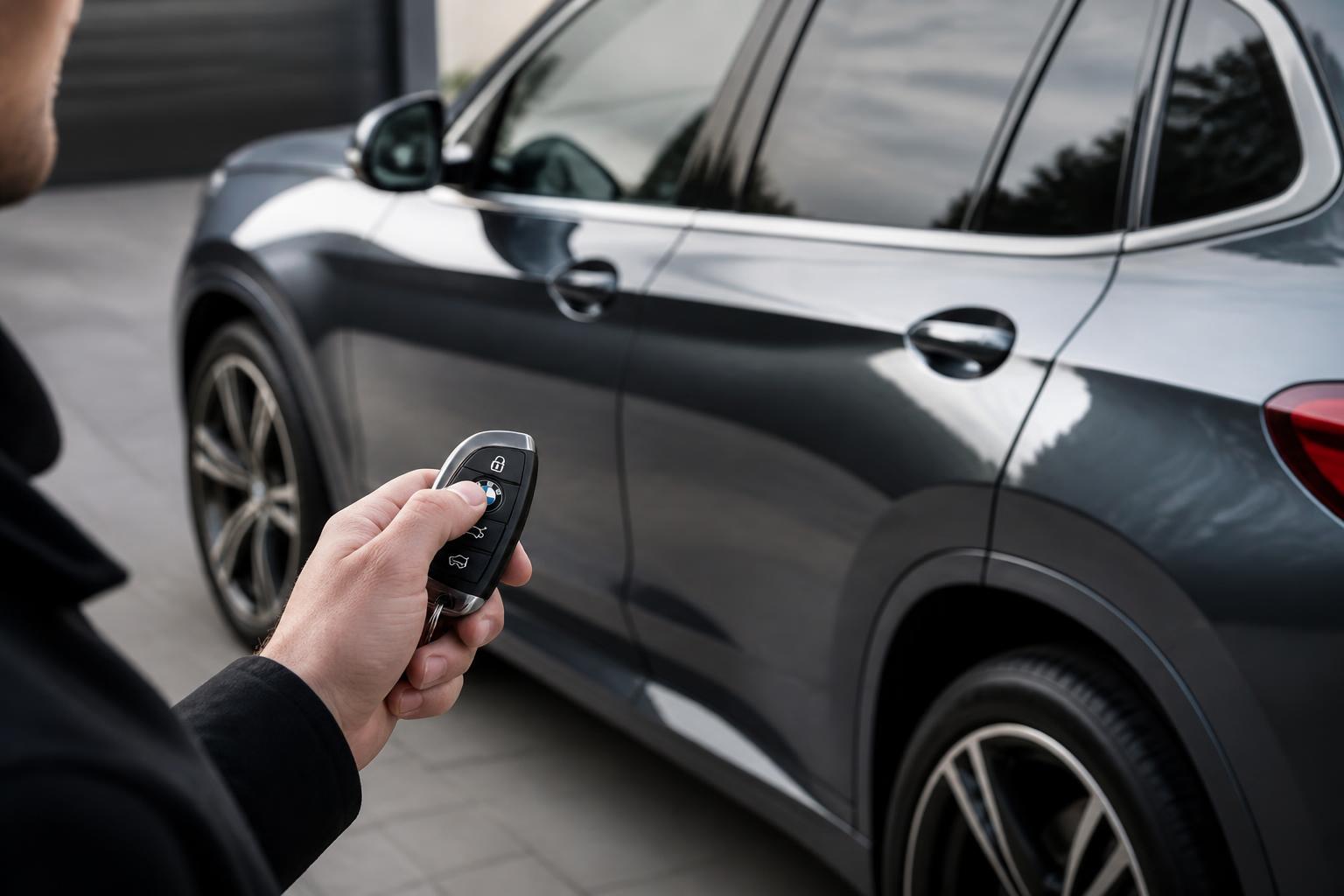
Both models use Comfort Access (keyless entry and start). With the fob in your pocket, touching the door handle locks or unlocks. A kick motion under the rear bumper opens the tailgate on equipped models.
Battery life: The CR2032 coin cell lasts 2–3 years. When low, you may need to hold the fob near the steering column (pre-2020) or the wireless charging pad (2020+) to start the car. Replace the battery before it dies completely.
Programming: You can pair up to four fobs to the same vehicle. Lost a fob? The dealer must code a new one—cost is $250–$450 for programming plus $150–$300 for the fob. Aftermarket duplication is not possible; the fob requires BMW authentication.
Common failure: Comfort Access door handle sensors fail on 2010–2016 models. The door does not detect your touch. Replacement handle assembly costs $300–$500 at an indie shop.
iDrive: Pairing, Resetting, and Troubleshooting
What You Need
- Vehicle with ignition on (engine does not need to be running)
- Phone with Bluetooth enabled and visible
- For CarPlay/Android Auto: a compatible phone and a vehicle with the option (most 2017+ models have it)
Pairing a Phone (iDrive 6/7 – 2015+ Models)
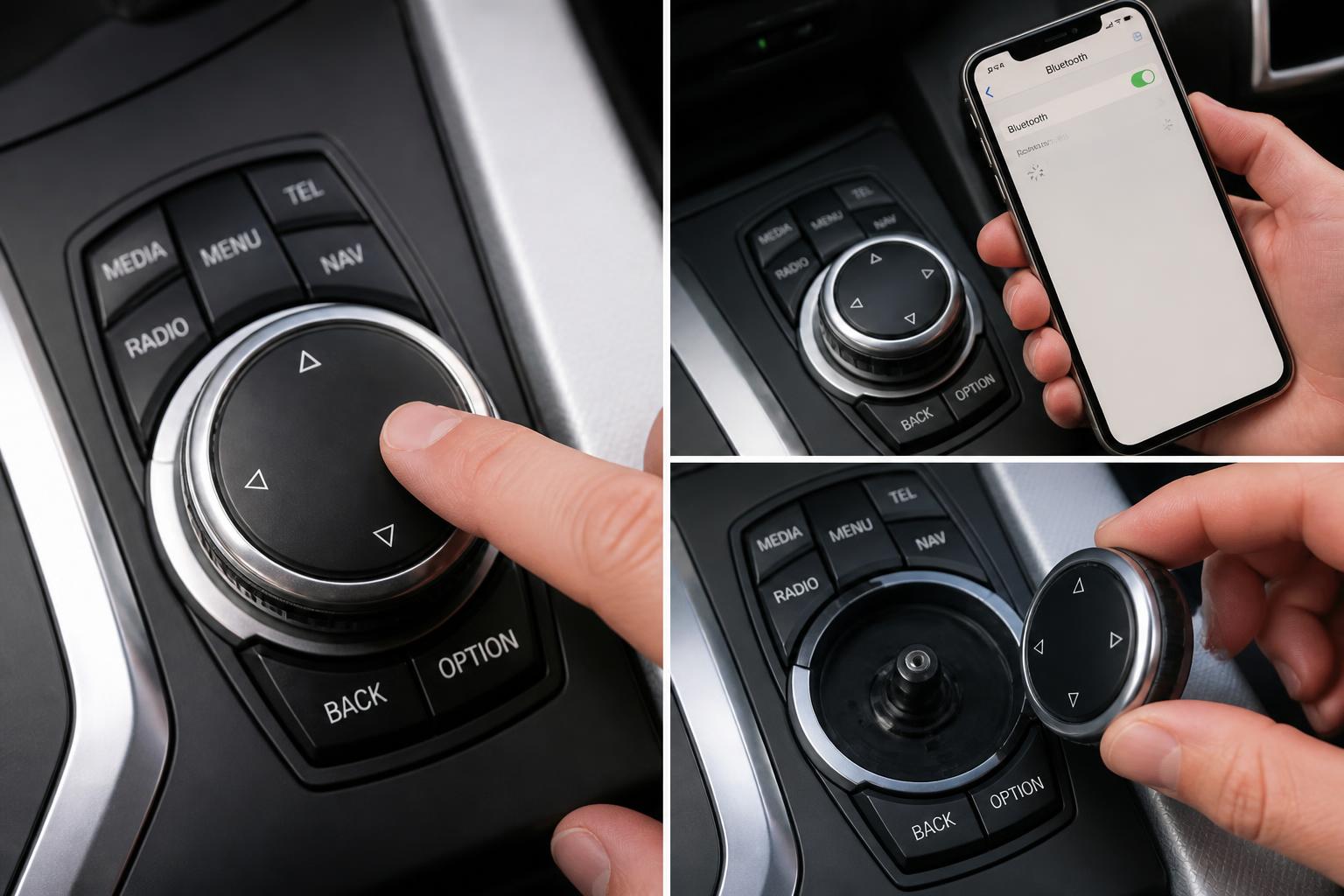
1. On iDrive, press Communication → Bluetooth → Connect new device.
2. On your phone, go to Bluetooth settings and select the BMW (named “BMW XXXXX”).
3. Confirm the pairing code on the iDrive screen.
4. iDrive will ask if you want to enable calls, music, messages, etc. Accept all.
5. If Apple CarPlay or Android Auto is available, a prompt will appear to activate it wirelessly. Follow the on-screen steps.
Realistic branch: If the phone does not appear in the vehicle’s Bluetooth list, the system may have reached its device limit (usually 20 phones). Delete an old phone from the Bluetooth device list under Communication → Bluetooth → Manage devices. Then try again. If the phone still does not show, restart both the phone and the vehicle, then repeat the process.
Resetting iDrive (System Reboot)
If iDrive freezes, lags, or audio cuts out, a reboot often fixes it without losing settings.
- iDrive 4/5 (CIC/NBT, 2008–2015): Press and hold the volume knob for 20–30 seconds. The screen goes black, then reboots.
- iDrive 6/7 (NBT EVO, 2016–2021): Press and hold the volume knob for about 10 seconds. The screen goes black and the BMW logo appears. Release when the logo shows.
- iDrive 8 (2022+ with curved display): Press and hold the volume knob for 10 seconds. On some vehicles, you need to hold the knob and the radio power button simultaneously. The screen reboots.

Verification: After the reboot, test navigation, audio, and Bluetooth. If all functions work, the issue was temporary. If not, proceed to the next step.
If a Reboot Does Not Work
Stop threshold: If after two reboots the system still shows a frozen map, incorrect GPS location, or persistent audio glitches, do not keep trying the same step. Instead, try a factory reset: Settings → General Settings → Reset vehicle data. This erases all personal settings (phone pairings, seat memory, radio presets). Only do this if the problem is severe enough to warrant re-entering all your settings.
If the factory reset also fails, schedule a service visit. The iDrive head unit may need a software update or replacement—do not attempt to disassemble the dash yourself.
Failure mode: A common mistake is pressing the volume knob for only 2–3 seconds, which does not trigger a reboot but only mutes the system. Hold the knob continuously until the screen goes black. If you release too early, try again and count to 15.
Maintenance Costs Compared
| Typical Service | X3 (G01, B48/B58) | X5 (G05, B58) |
|---|---|---|
| Oil change (dealer) | $130–$180 | $150–$200 |
| Brake pads + rotors, front & rear (indie shop) | $800–$1,200 | $1,000–$1,500 |
| Spark plugs (6-cyl, BMW recommends at 60k miles) | $400–$600 | $400–$600 |
| Coolant flush | $250–$400 | $300–$450 |
| Transmission fluid change (ZF 8-speed, 50–80k miles) | $500–$700 | $500–$700 |
| Front control arms + tension struts | $600–$900 | $700–$1,100 |
| Valve cover gasket (B58) | $500–$800 | $500–$800 |
All prices are from independent BMW specialists. Dealer prices run 40–60% higher. The ZF 8-speed transmission is shared across both vehicles and is the single most durable component — fluid changes at 50,000–80,000 miles (despite BMW’s “lifetime fill” claim) are the best insurance against a $6,000+ transmission replacement.
Bottom line on costs: Budget $1,200–$1,800 per year for routine maintenance on either vehicle with an independent shop. The X5 will cost slightly more for brakes and tires due to its higher weight, but the difference is typically $200–$400 per year, not thousands.
Explore This Topic

Greedy Wheels is the founder and lead editor at Wheels Greed. With over 15 years of hands-on automotive experience — from rebuilding engines in a home garage to managing fleet maintenance for a regional logistics company — he brings real-world mechanical knowledge to every guide.
His work has been featured in automotive forums, owner communities, and dealership training materials. When he’s not researching the latest car owner questions, you’ll find him at a local track day, wrenching on his project car, or testing the newest OBD2 diagnostic tools.
At Wheels Greed, every article is reviewed against manufacturer service manuals, NHTSA bulletins, and verified owner reports. No AI-generated fluff. No guesswork. Just practical answers from someone who has turned the wrench.