Subaru Ascent: The Complete Owner’s Guide
The Subaru Ascent is a three-row midsize SUV that seats up to eight and can tow 5,000 pounds. This guide covers cargo dimensions, towing setup, common problems, reliability scores, key fob and Starlink features, maintenance costs, and how it compares to the Honda Pilot and Toyota Highlander. Use it as a reference for buying decisions, ownership planning, or troubleshooting.
Owner Checks Before You Drive
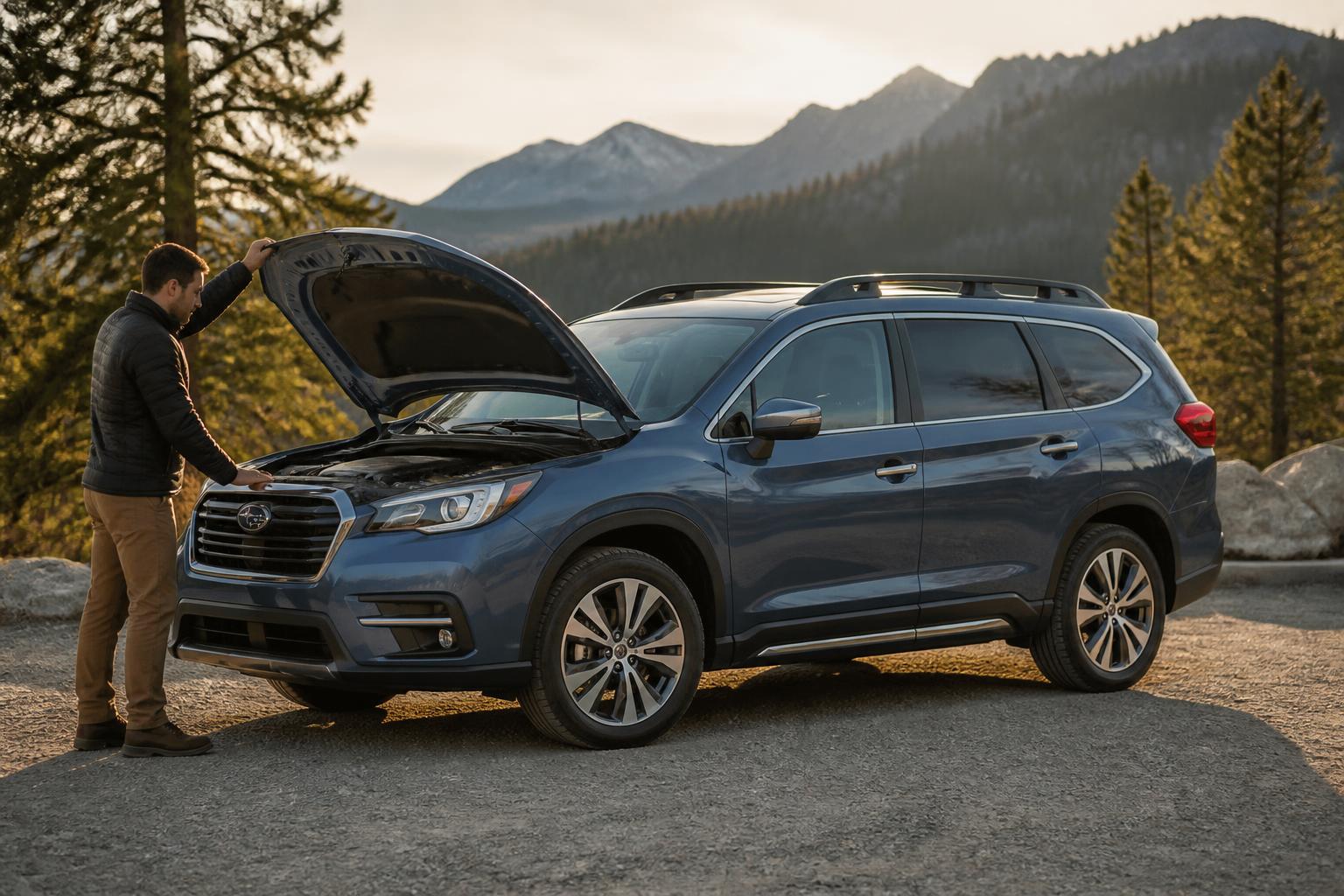
Start with three quick checks that head off the most common owner headaches:
- Tire pressure: Check the sticker on the driver’s door jamb. The Ascent’s recommended cold pressure is typically 33 psi front and rear. Low pressure triggers the TPMS light and can cause a wandering feel on the highway.
- Oil level: The 2.4L turbo engine can consume oil. Check the dipstick when the engine is cold and on level ground. Top off with a 5W-30 full synthetic that meets API SN PLUS (e.g., Quartz 9000 Future FGC or Mobil Super Synthetic 5W30).
- Starlink account: Download the MySubaru app and activate the free trial before you need roadside assistance or remote start. Without activation, the SOS button and stolen-vehicle recovery will not work.
If the car starts and drives without warning lights, you are good to go. If the check-engine light is on, run the engine at idle and confirm the oil cap is tight – a loose cap causes a lean-code that looks worse than it is.
Three-Row Seating and Cargo Space
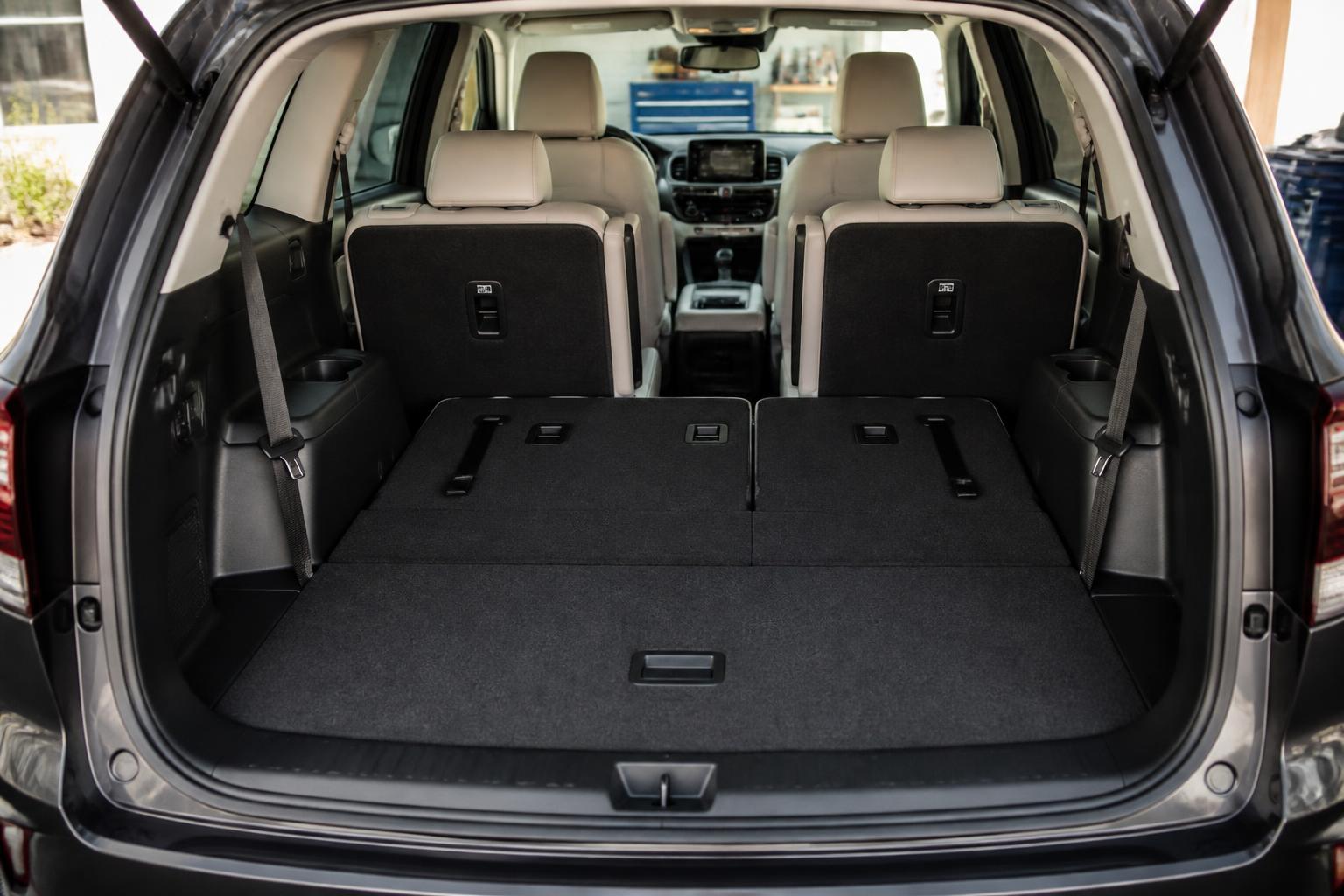
The Ascent offers standard eight-passenger seating. Captain’s chairs are available for a seven-passenger layout. Legroom in the third row is adequate for adults on shorter trips at 31.7 inches, but the real story is cargo flexibility.
- Behind third row: 17.8 cubic feet, which fits several grocery bags or two small suitcases stacked
- Third row folded: 47.0 cubic feet, enough for a full-size stroller and luggage
- Both second and third rows folded: 86.5 cubic feet with a flat load floor on models with the optional power liftgate
A 4×8 sheet of plywood will not fit flat; measure maximum length with seats down at roughly 78 inches. The Ascent’s roof rails support up to 176 pounds dynamic load and 700 pounds static.
Towing Capacity: 5,000 Pounds
All Ascent trims come with a 2.4-liter turbocharged four-cylinder engine producing 260 hp and 277 lb-ft of torque, paired with a Lineartronic CVT. With the factory hitch and trailer wiring kit installed, the Ascent is rated to tow 5,000 pounds – class-leading in the midsize three-row segment.
- Tongue weight limit: 500 pounds
- Trailer weight without brakes: 1,000 pounds max
- Transmission cooler: The Ascent has a built-in cooler per Subaru, though verify in your owner’s manual for model-year specifics
- Sway control: Standard trailer stability assist works via brake modulation
The towing capacity drops to 2,000 pounds without the hitch kit installed.
Before Your First Tow
Measure the tongue weight with a bathroom scale and a piece of 2×4. If it exceeds 500 pounds, move cargo toward the rear of the trailer. An overloaded tongue causes rear suspension sag and trailer sway. For trailers over 3,500 pounds, use a weight-distribution hitch to keep the Ascent level.
Verification After Coupling
Drive a short loop with moderate turns. If the rear of the Ascent drops more than an inch, the trailer is too tongue-heavy. If the trailer fishtails at 45 mph, the tongue is too light.
Common Problems and How to Handle Them
Owner reports and service bulletins show a few recurring issues. Not every Ascent experiences them, but they are worth checking on a used example.
Infotainment Glitches
The 6.5-inch or 8-inch touchscreen on pre-2022 models can freeze, lag, or randomly reboot. Apple CarPlay and Android Auto may disconnect without warning.
First step: Perform a soft reset by holding the power button for 10 seconds until the Subaru logo appears. This clears temporary software glitches and fixes about half of the cases.
If the problem returns within a week: The issue is likely outdated firmware. Take the car to a dealer and ask for the latest infotainment update (version 4.1.2.0 or newer). This is covered under the 3/36 bumper-to-bumper warranty.
A loose or damaged USB cable mimics software problems. Before scheduling a dealer visit, try a different high-quality USB-A to Lightning or USB-C cable. If the disconnects stop, the cable was the culprit.
Verification: After the update, pair your phone and run Apple CarPlay or Android Auto for a full 10-minute drive without a drop. The system should respond to touch inputs within one second.
CVT and Transmission Concerns
CVT shudder or hesitation is most common on 2019–2020 Ascent models. Symptoms include a vibration during light acceleration between 20 and 40 mph. Subaru released Technical Service Bulletin 16-115-20R for a reprogrammed transmission control module. Some owners required a complete CVT replacement under powertrain warranty.
First step: Have a dealer perform the TCM reprogram. The update takes about an hour.
If the shudder persists after the reprogram: The next step is a valve body replacement. A small fraction of cars need a full CVT replacement, which Subaru covers under the 5/60 powertrain warranty. Do not ignore the shudder – driving with a failing CVT can damage the torque converter.
Distinguishing engine mount failure: Some owners mistake a worn engine mount for a transmission shudder. A failing mount produces a vibration under load that feels similar, but it also causes a clunk when shifting between drive and reverse. A mount replacement costs roughly $200, far less than a CVT repair. To distinguish, coast in neutral at 25 mph and then accelerate. If the vibration is gone in neutral, it is likely a transmission issue. If it persists, check the mounts.
Transmission whine is a high-pitched noise on deceleration. It is often not a sign of failure, but persistent whine should be inspected.
Class-action lawsuit: A proposed class action over CVT failures in 2019–2020 Ascents was filed in 2023. Subaru has extended warranty coverage on certain CVT components in some states – check your VIN at Subaru’s recall site.
Other Reported Issues
- Rearview camera failure: The camera may show a black screen in cold weather. Replacement camera assembly is the fix.
- Sunroof rattle: Some 2021–2022 models have a loose sunroof track that causes creaks when open. Dealer adjustment is covered under warranty.
- Engine oil consumption: A small number of 2.4L engines used more than 1 quart per 3,000 miles. Subaru issued an oil consumption test procedure; if excessive, the short block may be replaced.
Reliability Data
- J.D. Power: The 2024 Ascent scored 81 out of 100 for quality and reliability, which is above average for the segment.
- Consumer Reports: Predicted reliability for 2024 is 3 out of 5, or average. Early model years like 2019 scored lower due to CVT and infotainment issues.
- NHTSA complaints: Over 400 complaints were filed for the 2019 Ascent, with transmission and drivetrain leading. Later years show fewer complaints.
Key Fob and Starlink Features
Key Fob
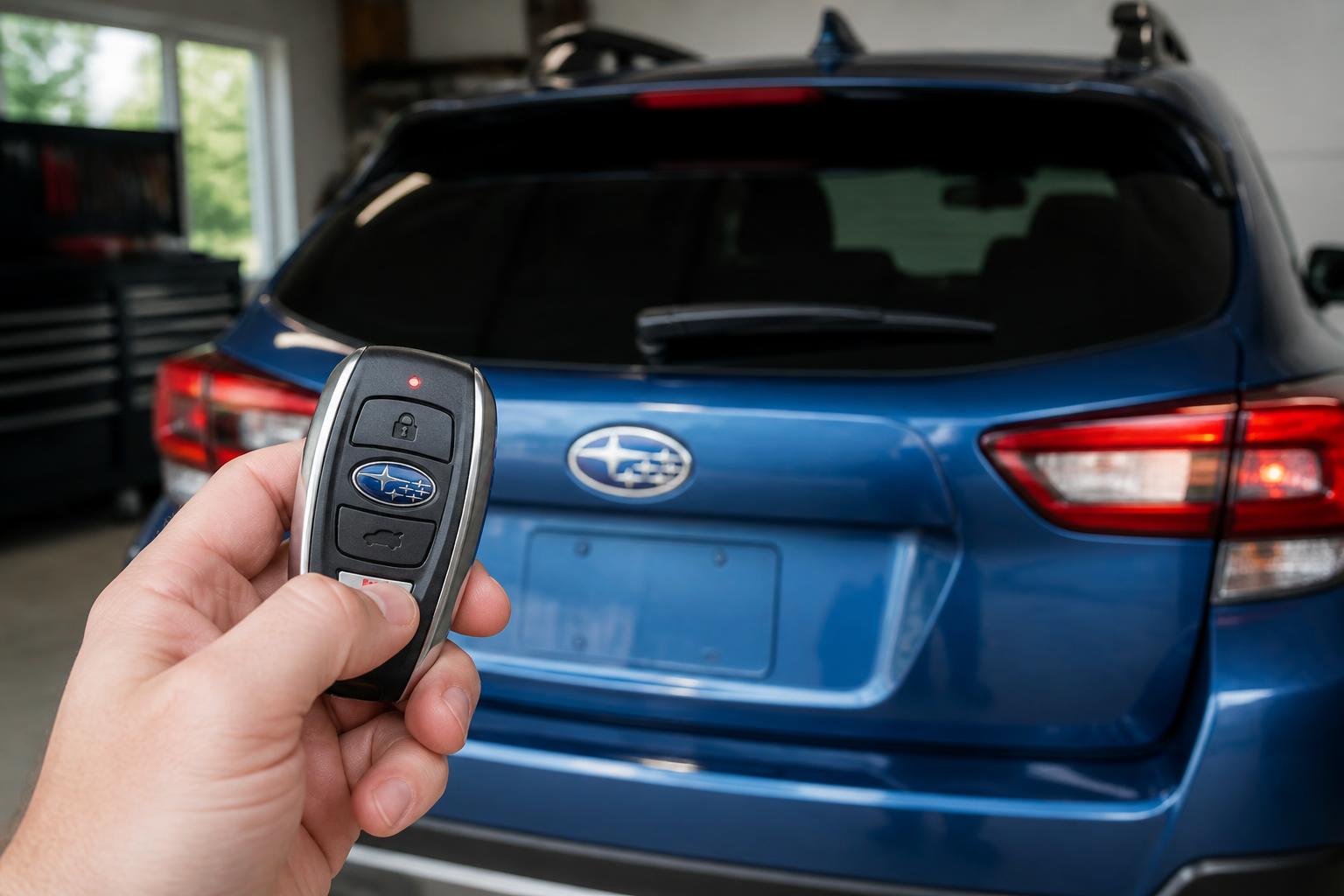
The Ascent’s proximity key fob is standard on Premium and above, while the base trim uses a conventional key. Features include:
- Push-button start
- Remote engine start by pressing lock twice then holding the remote start button, with a range of approximately 80 feet
- Memory-linked driver seat and mirrors on Limited and Touring trims
- Auto door lock when you walk away, programmable via the infotainment menu
Battery replacement: Use a CR2032 coin cell. The fob will display a “low battery” warning on the dashboard when voltage drops.
Starlink Safety and Convenience
Starlink is Subaru’s connected-services platform. Key features vary by trim and subscription level.
Safety Plus is complimentary for 3 years and includes automatic collision notification, SOS emergency assistance, roadside assistance, and stolen vehicle recovery.
Security Plus is a subscription service after the trial. It includes remote engine start and climate control via the MySubaru app, vehicle locator, lock and unlock doors, and vehicle health reports. The cost is $99 per year.
Wi-Fi hotspot uses the 4G LTE AT&T network and requires a data plan. Unlimited data costs $20 per month, though data caps apply after 20 GB on some plans. You can manage subscriptions through the MySubaru app.
Starlink Multimedia includes standard Apple CarPlay and Android Auto. Built-in navigation comes on Limited and Touring trims, with over-the-air map updates available.
Maintenance Costs and Schedule
Subaru recommends an oil and filter change every 6,000 miles or 6 months. The 2.4L turbo requires 5.6 quarts of 5W-30 full synthetic. A dealer oil change costs $70–$90, while DIY costs about $40 with a quality filter.
Major Service Intervals

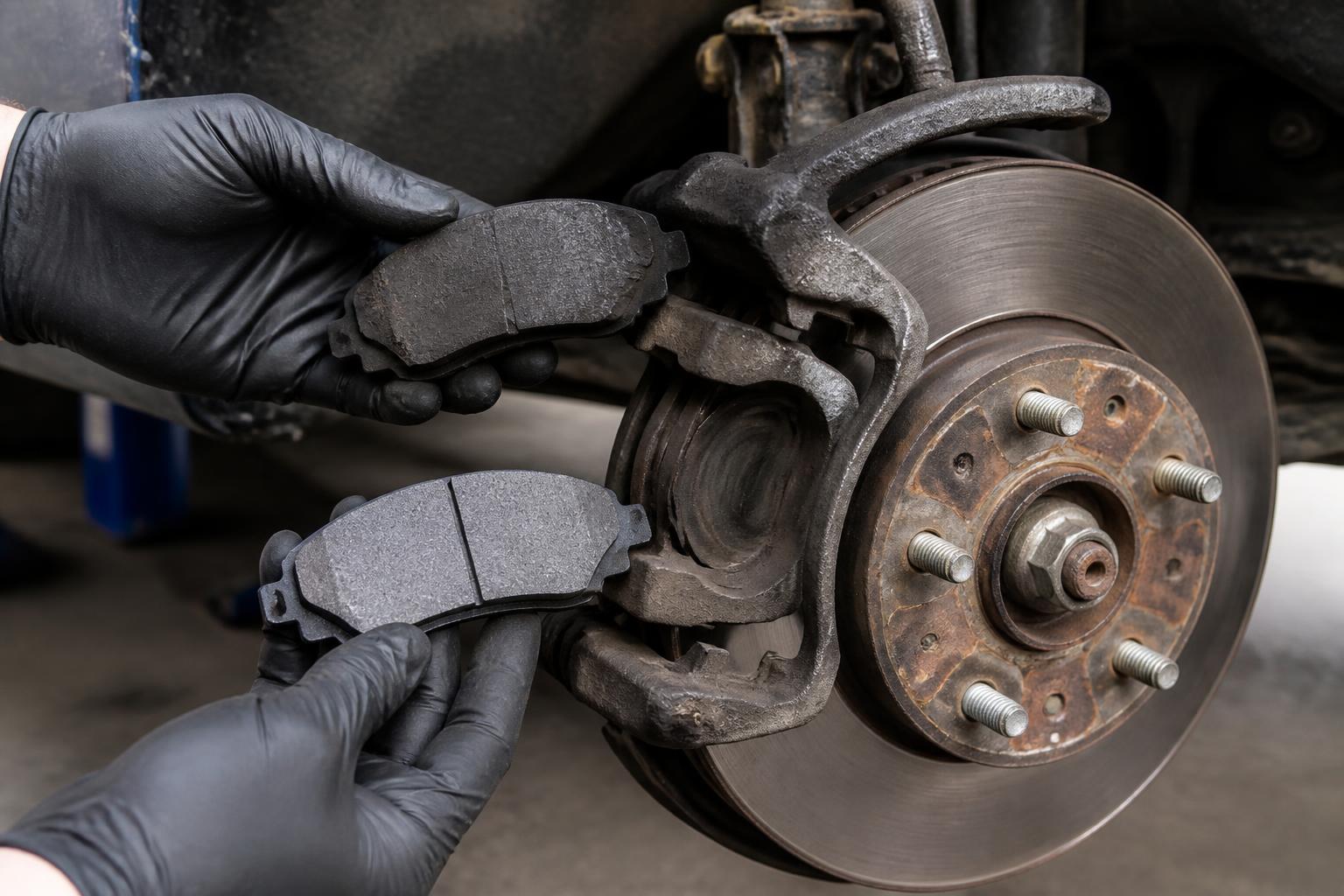
- 30,000 miles: Cabin air filter, engine air filter, brake fluid flush, and tire rotation cost around $400 at a dealer.
- 60,000 miles: Add spark plugs, CVT fluid change, and differential fluid for a total of $700–$1,000. Subaru calls the CVT fluid “lifetime,” but many owners choose to change it.
- 90,000 miles: Repeat the 30k service plus a coolant flush for roughly $500.
CVT fluid change: Not listed in Subaru’s severe-service schedule, but owners report that a drain-and-fill every 60,000 miles improves long-term reliability. A dealer CVT service costs $300–$450.
Annual running cost estimate: Insurance, fuel, maintenance, and tires average $4,200–$4,800 per year based on 15,000 miles driven. The Ascent requires premium fuel per the owner’s manual (91 octane), which adds about $0.30 per gallon versus regular.
Warranty coverage: 3 years or 36,000 miles bumper-to-bumper, 5 years or 60,000 miles powertrain, and 5 years with unlimited miles for corrosion. Subaru also offers extended warranty plans.
How the Ascent Stacks Up: Honda Pilot vs. Toyota Highlander
| Feature | Subaru Ascent | Honda Pilot | Toyota Highlander |
|---|---|---|---|
| Engine | 2.4L turbo (260 hp) | 3.5L V6 (285 hp) | 2.4L turbo (265 hp) or hybrid |
| Max towing | 5,000 lbs | 5,000 lbs (AWD) / 3,500 lbs (FWD) | 5,000 lbs (hybrid: 3,500 lbs) |
| Standard AWD | Yes | No (available) | No (available) |
| Third-row legroom | 31.7 in | 31.9 in | 28.0 in |
| Cargo behind third row | 17.8 cu ft | 18.5 cu ft | 16.0 cu ft |
| MPG (EPA combined) | 22 (AWD) | 22 (AWD) | 24 (turbo AWD) / 35 (hybrid) |
| Base MSRP (2024) | $35,000 | $39,000 | $39,000 |
Who should buy the Ascent: Buyers who prioritize standard all-wheel drive, class-leading towing in the base trim, and a lower starting price. The Ascent also offers the most standard active-safety features under the EyeSight system on every trim.
Who should look elsewhere: If you need better fuel economy, the Highlander Hybrid delivers up to 35 mpg. The Pilot offers a quieter cabin and a more refined V6, but you pay for it. For maximum third-row adult comfort, the Pilot matches the Ascent while the Highlander trails both.
Resale value: According to Kelley Blue Book, the Ascent retains about 50% of its value after 5 years, similar to the Pilot at 50% but behind the Highlander at 55%. The difference narrows when factoring in the Ascent’s lower initial cost.
Frequently Asked Questions
Is the Subaru Ascent reliable long-term?
Early models from 2019–2020 had more CVT and infotainment issues, but later years show improvement. Regular maintenance, especially CVT fluid changes, helps longevity. J.D. Power rates it above average for the segment.
How often should I change the CVT fluid?
Subaru says the CVT fluid is “lifetime,” but many owners and independent mechanics recommend a drain-and-fill every 60,000 miles for better reliability. The fluid change costs $300–$450 at a dealer.
Can the Ascent tow a boat?
Yes, as long as the boat and trailer combined weight stays under 5,000 pounds. Use a weight-distribution hitch for trailers over 3,500 pounds. Confirm your trailer’s tongue weight stays under 500 pounds.
What kind of gas does the Ascent need?
Premium 91 octane is recommended. Using regular 87 octane can reduce power and fuel economy and may cause knocking under heavy load. The manual states premium is required for maximum performance.
Does the Ascent have a spare tire?
Yes, a temporary spare is located under the cargo floor. It is a compact donut tire, size T175/90R18. Limited and Touring trims come with a tire repair kit instead, but the spare can be added as a dealer accessory.
How do I reset the oil life monitor?
Turn the ignition to ON without starting, press the dashboard “i” button until the oil life screen appears, then hold the “i” button for 10 seconds until the display blinks. Press and hold again to reset to 100%. Each model year may vary slightly, so check the manual.
This guide covers the key aspects of owning a Subaru Ascent, from everyday operation to long-term maintenance. Keep your owner’s manual handy for model-specific details, and address any warning lights promptly to avoid cost
Explore This Topic
Related guides in this cluster:

Greedy Wheels is the founder and lead editor at Wheels Greed. With over 15 years of hands-on automotive experience — from rebuilding engines in a home garage to managing fleet maintenance for a regional logistics company — he brings real-world mechanical knowledge to every guide.
His work has been featured in automotive forums, owner communities, and dealership training materials. When he’s not researching the latest car owner questions, you’ll find him at a local track day, wrenching on his project car, or testing the newest OBD2 diagnostic tools.
At Wheels Greed, every article is reviewed against manufacturer service manuals, NHTSA bulletins, and verified owner reports. No AI-generated fluff. No guesswork. Just practical answers from someone who has turned the wrench.