BMW 3 Series: The Complete Owner’s Guide (E90, F30, G20)
The BMW 3 Series spans three used-market generations: the E90 (2005–2013), F30 (2012–2019), and G20 (2019–present). If you’re shopping used or maintaining one you already own, this guide covers reliability by generation, common problems, oil and maintenance specs, iDrive reset procedures, key fob battery replacement, real repair costs, and the best years to target. The short version: for daily dependability, target a G20 with the B48/B58 engine, or an E90 328i (N52) if you want a lower budget and analog steering.

Which Generation Should You Buy?
Your choice comes down to budget, tolerance for age-related repairs, and desired tech level.
E90 (2005–2013) – Analog Steering, Age-Related Costs
The E90 was the last 3 Series with hydraulic steering. Enthusiasts favor the 328i (N52 engine) for its reliability. The 335i (N54/N55) offers strong turbo performance but demands more upkeep.
Reliability highlights:
- N52 (2006–2013 325i/328i/330i): Naturally aspirated and generally solid if serviced on time. Common leak points: valve cover gasket, oil filter housing gasket. Replace both by 80k miles as preventive maintenance.
- N54 (2007–2010 335i): Known for high-pressure fuel pump failures, carbon buildup, and wastegate rattle. Look for 2009+ models with updated injectors.
- N55 (2011–2013 335i): More reliable than N54 but still prone to oil filter housing gasket leaks and charge pipe failures. Replace the plastic charge pipe with an aluminum unit proactively.
Best E90 years to buy: 2009–2011. Production updates fixed most N54 and N55 teething issues, and LCI models have updated headlights and CIC iDrive.
F30 (2012–2019) – More Tech, Engine-Specific Headaches
The F30 grew in size and added turbocharging across the lineup. The biggest complaint is the N20 timing chain issue.
Common problems by engine:
- N20 timing chain (2012–2015 320i/328i): The plastic chain guide can break, causing catastrophic engine damage. BMW issued a service action but no extended warranty. If you’re looking at a used N20, get proof the chain guide was updated (part number change or dealer service record). 2016+ models have the revised guide.
- N55 oil leaks (2012–2016 335i): Valve cover gasket and oil filter housing gasket leaks are common by 60k–80k miles. The electric water pump fails without warning around 60k–100k miles.
- B58 (2016+ 340i): Much improved over the N55. Timing chain is robust, and the engine responds well to tuning. Early B58 (2016–2017) had occasional coolant loss from the expansion tank; easy fix.
- ZF 8HP transmission service: BMW calls the fluid “lifetime,” but many shops recommend a fluid and filter change every 60k–80k miles for long life. Budget $400–$600 for the service.
Best F30 years to buy: 2016–2018. These have the B58 in 340i models, updated N20 in 320i/328i, LCI with larger iDrive screen, and revised headlights.
G20 (2019–Present) – Premium, Quiet, and (So Far) Reliable
All gasoline engines are variants of the B-series modular family (B46/B48 four-cylinder, B58 six-cylinder). No widespread engine failures yet.
Known issues (low frequency):
- B48/B58 coolant expansion tank cracks on early cars (2019–2020). BMW issued a silent warranty extension in some regions.
- iDrive screen delamination on certain units (touchscreen layers separate). Dealer warranty replacement is typical.
- Active sound design (engine noise piped through speakers) can be disabled via coding; not a defect.
Best G20 years to buy: 2021 or newer. Most early production bugs are sorted, and 2022+ added iDrive 8 in some markets.
Oil, Fluids, and Routine Maintenance
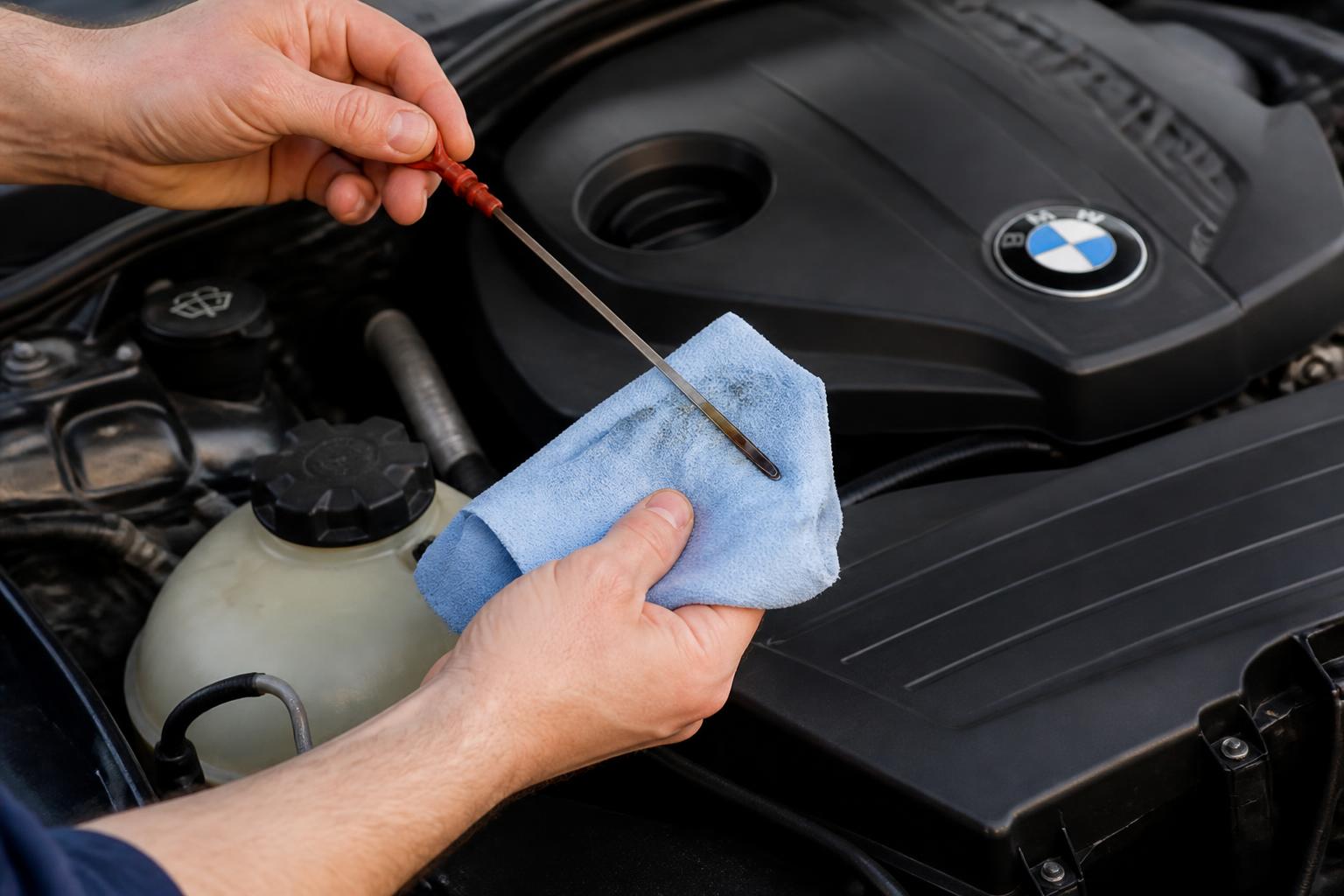
All three generations use fully synthetic 5W-30 or 0W-30 meeting BMW Longlife-01 or LL-01FE standards. For severe driving (short trips, track days), consider 5W-40. Approved oils include QUARTZ 9000 FUTURE FGC 5W-30, QUARTZ 9000 FUTURE XT 5W-30, and Mobil Super Synthetic 5W-30 (or above). Use the same type for both gasoline and diesel engines when applicable.
Oil Capacities
Confirm exact capacity in your owner’s manual, but approximate values by engine:
- E90 N52 328i: 6.9 quarts
- E90 N54/N55 335i: 6.5 quarts
- F30 N20 328i: 5.3 quarts
- F30 N55 335i: 6.5 quarts (2012–2015) or 5.5 quarts (2016+ with updated pan)
- F30 B58 340i: 6.9 quarts
- G20 B48/B58: 5.3–6.9 quarts depending on engine
Maintenance Schedule Highlights
- Oil change: every 5,000–7,500 miles (ignore the 10k–15k onboard reminder if you do short trips)
- Cabin air filter: every 2 years or 20k miles
- Engine air filter: every 30k miles
- Spark plugs: N20/N55 every 60k miles; B58 every 60k miles; N52 every 100k miles
- Brake fluid flush: every 2 years
- Coolant: every 3–5 years (use BMW coolant or equivalent phosphate-free)
- Differential and transfer case fluid: every 60k miles on xDrive models
- Transmission fluid: ZF recommends 60k–80k miles for the 8HP; a dealer may refuse, so find an independent shop that will do it
Annual Maintenance Cost Estimate
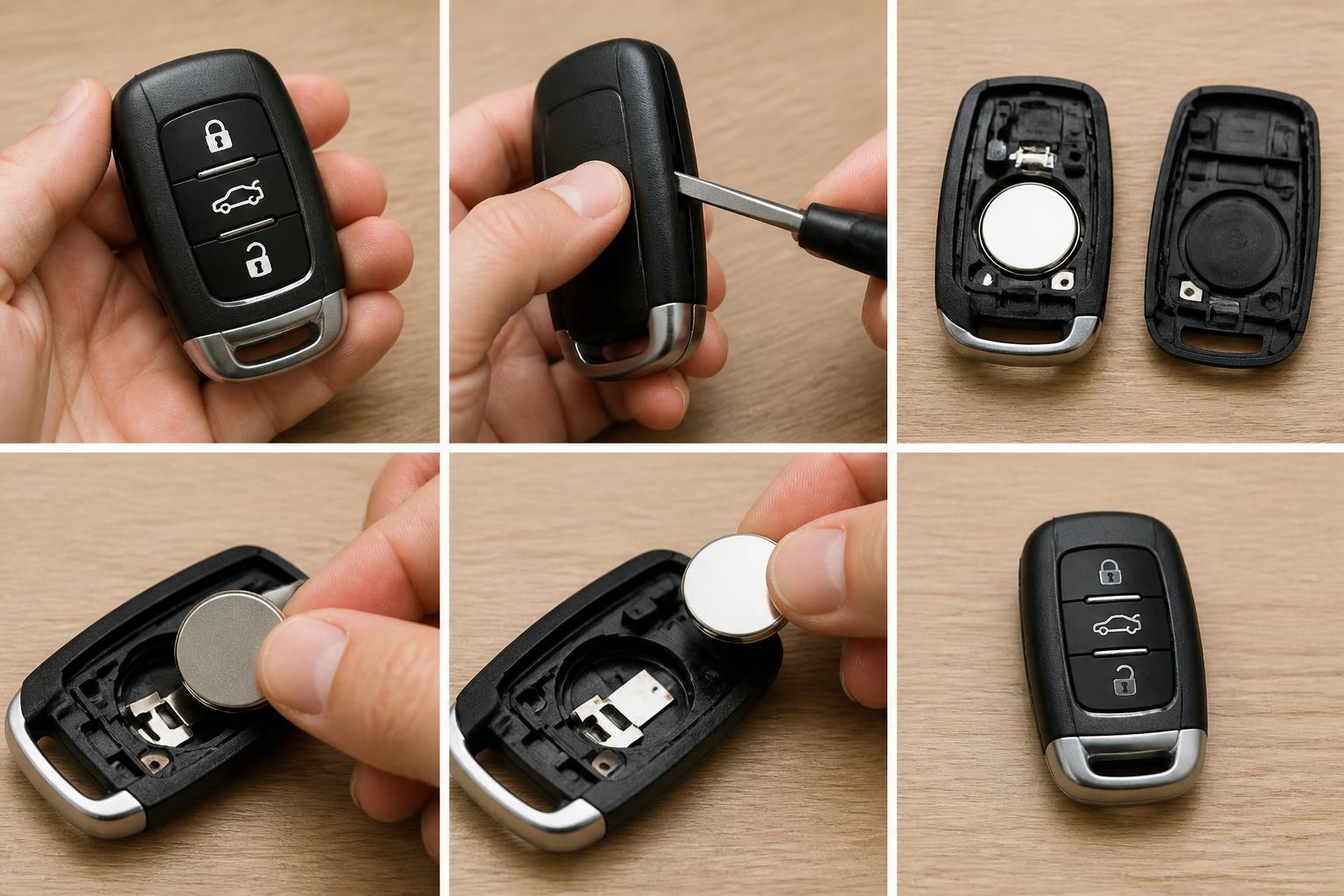
- E90: $1,000–$2,500 (higher with N54/N55)
- F30: $800–$2,000 (N20 chain repair can push to $4,000+)
- G20: $600–$1,200 (mostly under factory or extended warranty)
Key Fob Battery Replacement (Step-by-Step)
All 3 Series (E90 onward) use a CR2032 coin cell. The fob retains its pairing after battery change — no reprogramming needed. Here’s how to do it correctly.
What you’ll need: a fresh CR2032 battery (verify expiry date from a known brand), a small flathead screwdriver or a paperclip, and the car’s metal key blade.
Steps
1. Release the mechanical key. On the back of the fob, slide the release button (diamond key) or press the small button (comfort access fobs). Pull the metal key blade out.
2. Open the battery compartment. Insert the tip of the metal key (or the flathead) into the slot near the battery cover. Twist gently to pop the cover open. Some F30/G20 fobs have a small notch — use the key to pry.
3. Remove the old battery. Note the orientation: positive (+) side faces up. The battery may be snug; use your fingernail or the key to lever it out.
4. Insert the new battery. Place the new CR2032 with the positive (+) side facing up. Press it firmly into the clip.
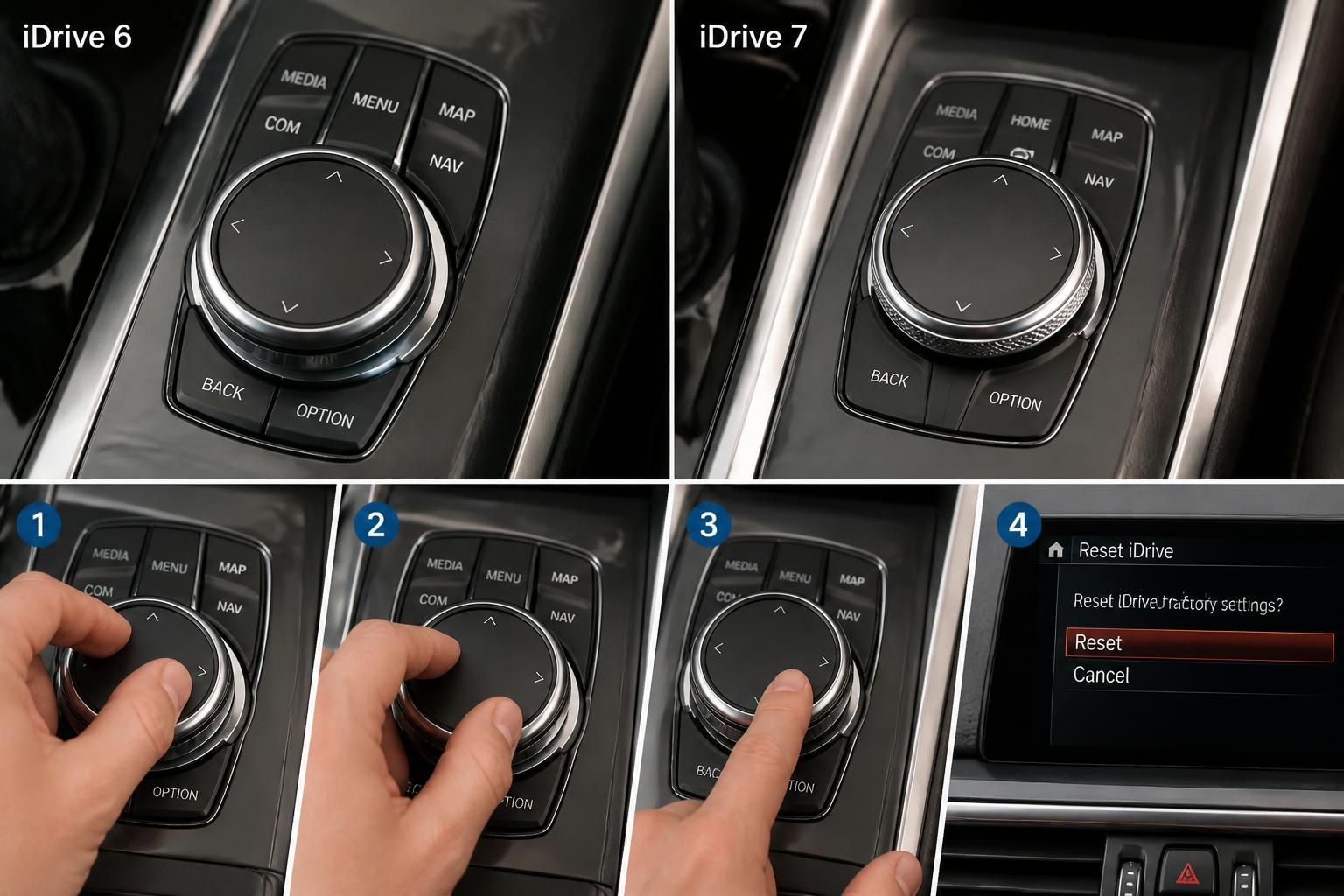
5. Snap the cover back on. Align the tabs and press until it clicks. Reinsert the metal key.
Verification: Stand within 3 feet of the car and press a button (lock, unlock, or trunk). If the fob works, you’re done. If not, walk closer and try again — the fob uses a transponder coil in the cupholder for start-stop, so also try placing the fob in the cupholder before pressing the start button.
Common failure mode: The new battery might be stale (low voltage) or the fob’s gold contacts may be bent. If the fob works intermittently, check the contacts — gently lift them upward if they appear flattened. Also avoid using rechargeable CR2032 cells, which have lower voltage and can cause erratic behavior.
Stop/escalate threshold: If the fob still doesn’t work after two new batteries and you’ve verified the contacts are clean and straight, try your spare fob. If the spare works, the original fob likely has a broken circuit board or a damaged transponder coil — you can’t fix that yourself. Take it to a dealer or an independent BMW specialist (replacement fob with programming: $200–$450). If both fobs fail, the car’s receiver module may be faulty — that requires dealer diagnosis.
iDrive Versions and Reset Procedures
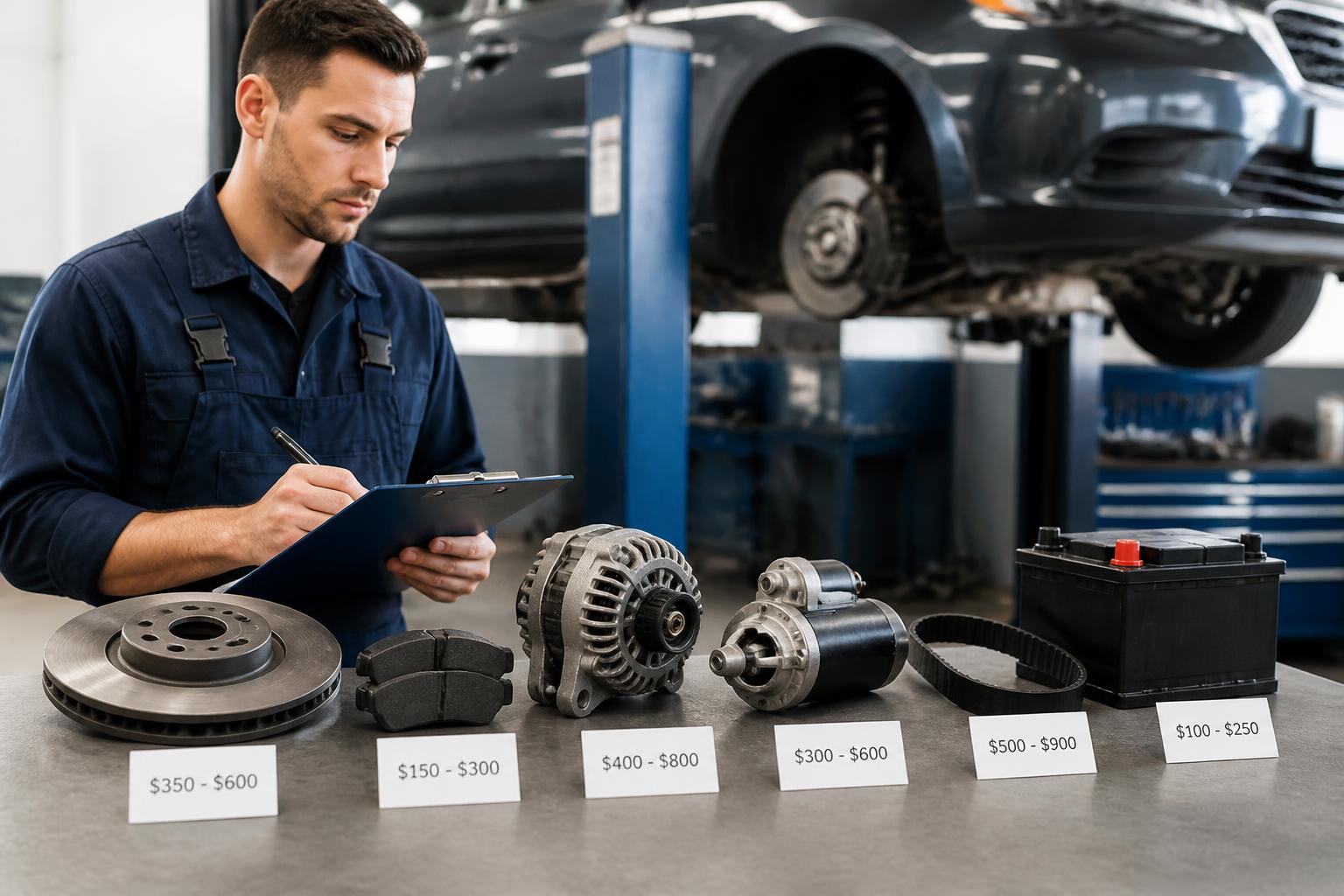
Knowing your iDrive version helps with troubleshooting. The table below shows how to reset a frozen screen.
| Generation | iDrive Version | Reset Method (screen frozen) |
|---|
| E90 (2005–2008) | CCC | Hold volume knob for 30 seconds |
| E90 LCI (2009–2013) | CIC | Hold volume knob 20–30 seconds |
| F30 (2012–2016) | NBT | Hold volume knob 20 seconds |
| F30 LCI (2017–2019) | NBT Evo (iDrive 5.0/6.0) | Hold volume knob 20 seconds |
| G20 (2019–2021) | iDrive 7 | Hold volume knob 20 seconds; if no response, try holding mute button for 20 seconds |
| G20 (2022+) | iDrive 8 | Hold volume knob 20 seconds; try mute button as backup |
Verification after reset: The screen should reboot to the BMW logo and then show the home screen within 30–60 seconds. The audio should resume, and the iDrive controller should respond to clicks. If the screen goes black but audio works after reset, the display unit itself may be failing.
Stop/escalate threshold: If the reset doesn’t work after three attempts, try disconnecting the battery negative terminal for 10 minutes (use a memory saver if you have one to avoid radio presets loss). If the screen remains black or shows distorted images after reconnection, the iDrive unit needs replacement. On G20s with iDrive 7/8, a black screen accompanied by the car driving normally points to a software glitch that requires a dealer software update (usually covered under warranty). Do not attempt to flash the iDrive yourself — incorrect software can brick the unit.
Common Repairs and Their Costs (Real Numbers)
- N20 timing chain replacement (parts + labor): $2,500–$4,500 at dealer, $1,800–$2,800 at independent shop. Requires updated tensioner, guide, and sprockets.
- N55/N52 oil filter housing gasket: $300–$500 (DIY part costs $20–$40). A small leak can soak the belt and cause belt-slippage damage.
- N55/N20 valve cover gasket: $400–$700 (includes new gasket and often a new valve cover because the plastic warps).
- B58 coolant expansion tank: $150–$300 (do-it-yourself in 20 minutes; hose clamp tool needed).
- Water pump + thermostat (N55/N52): $800–$1,200 at independent shop (electric pump fails without overheating gauge).
- Charge pipe (N55): $200–$400 (aftermarket aluminum unit is the permanent fix).
- ZF 8HP transmission service: $400–$600 at independent (filter, fluid, pan gasket).
- iDrive screen replacement (NBT Evo or iDrive 7 with delamination): $600–$1,200 (dealer replacement under warranty often covered for cosmetic defects on earlier cars).
FAQ
What is the most reliable BMW 3 Series generation? The G20 with B48/B58 engines (2019+) has the fewest reported failures so far. Among older models, the E90 328i with the N52 engine is considered the most dependable daily driver.
How often should I change the oil in a BMW 3 Series? Every 5,000–7,500 miles if you do mostly short trips or city driving. The onboard computer may show 10,000–15,000 miles, but that interval is meant for ideal highway conditions. Stick to the shorter interval for better engine longevity.
Can I replace the key fob battery myself? Yes. All 3 Series fobs use a standard CR2032 coin cell, and no reprogramming is needed after replacement. Follow the step-by-step instructions above — the whole process takes about two minutes.
Explore This Topic
- The Global Production Of The Bmw 3 Series
- How To Diagnose The Abs Light On A Bmw 3 Series
- Choosing The Right Oil For Your 2008 Bmw 3 Series

Greedy Wheels is the founder and lead editor at Wheels Greed. With over 15 years of hands-on automotive experience — from rebuilding engines in a home garage to managing fleet maintenance for a regional logistics company — he brings real-world mechanical knowledge to every guide.
His work has been featured in automotive forums, owner communities, and dealership training materials. When he’s not researching the latest car owner questions, you’ll find him at a local track day, wrenching on his project car, or testing the newest OBD2 diagnostic tools.
At Wheels Greed, every article is reviewed against manufacturer service manuals, NHTSA bulletins, and verified owner reports. No AI-generated fluff. No guesswork. Just practical answers from someone who has turned the wrench.