Where Kia vehicles are built for the US market and why ownership is different from manufacturing
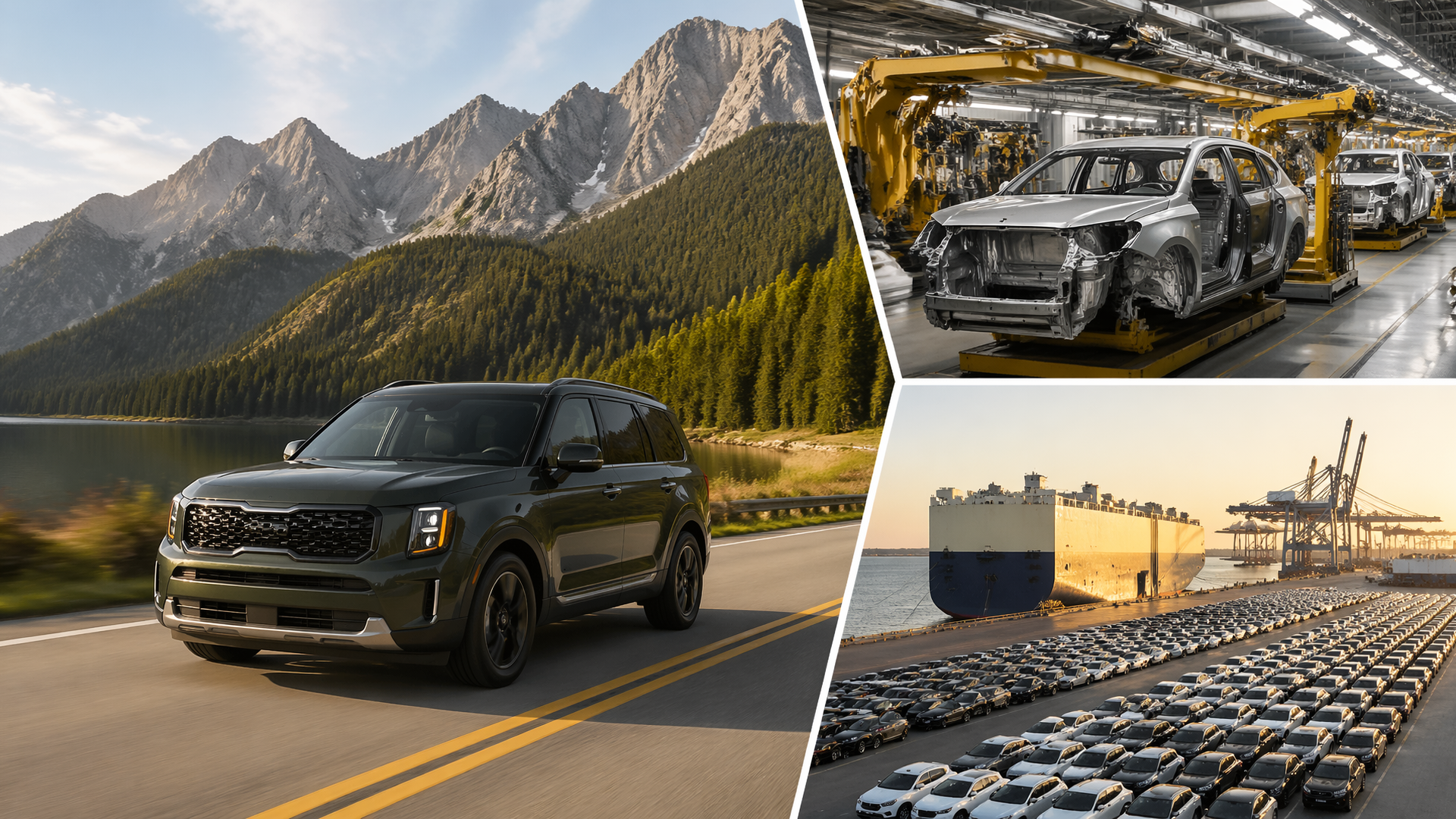
Kia vehicles sold in the U.S. are primarily built in South Korea, but a significant portion of popular models, like the Telluride and Sportage, are also assembled at Kia’s U.S. manufacturing plant in West Point, Georgia. It’s important to understand that where a Kia is physically manufactured is separate from its corporate ownership structure, which is a key distinction for consumers looking to grasp the brand’s global operations and its relationship with parent companies.
Kia’s North American Production Hub
Kia operates a substantial manufacturing facility in West Point, Georgia, which began production in 2009. This plant is crucial for supplying the U.S. market and is responsible for assembling several of Kia’s best-selling models, including the Telluride, Sorento, and Sportage. Having a U.S.-based assembly plant allows Kia to better meet domestic demand, potentially streamline logistics, and tailor production to American consumer preferences. However, many other Kia models, particularly sedans and smaller vehicles, continue to be imported from South Korea, where the majority of Kia’s global production occurs.
The Hyundai Motor Group’s Role
Kia Corporation is a member of the larger Hyundai Motor Group, a global automotive conglomerate that also owns the Hyundai and Genesis brands. This means that while Kia functions as a distinct brand with its own identity and product lines, its strategic direction, research and development, and financial resources are integrated within the broader group. The Hyundai Motor Group is headquartered in Seoul, South Korea, and this overarching ownership structure influences Kia’s global strategy, allowing for shared technologies, platforms, and manufacturing efficiencies across its affiliated brands. Therefore, “ownership” in this context refers to the corporate control exercised by the Hyundai Motor Group over the Kia brand.
Understanding Manufacturing vs. Corporate Control
The distinction between where a vehicle is assembled and who ultimately owns the brand is fundamental to understanding the automotive industry. Manufacturing location is about the physical factory where a specific car comes off the assembly line, and this can vary by model, trim, and even production year. Corporate ownership, conversely, refers to the parent company that holds a controlling stake in the brand. For Kia, the Hyundai Motor Group is this parent entity, guiding the brand’s overall trajectory. Recognizing this separation helps clarify how global automotive companies operate, utilizing diverse production sites while maintaining a unified corporate vision.
Practical Implications for Kia Owners
For a Kia owner, knowing the origin of their vehicle can sometimes offer insights into potential regional adaptations or supply chain considerations. For instance, vehicles built in Georgia might have slight variations or be more readily available in the U.S. compared to models exclusively imported from Korea. However, the core quality, warranty, and driving experience are designed to be consistent across all Kia vehicles, regardless of their assembly plant, thanks to the Hyundai Motor Group’s unified engineering and quality control standards.
Verifying Your Kia’s Build Location
You can typically find information about where your specific Kia vehicle was manufactured on a sticker located on the driver’s side doorjamb or inside the owner’s manual. This sticker, often called the Vehicle Identification Number (VIN) plate, will list the manufacturing plant’s location. This is a straightforward way to confirm if your car was assembled in Georgia or imported from South Korea.
Potential Trade-offs and Model Specifics
While Kia strives for consistency, specific models assembled in different regions might subtly cater to local market preferences or regulatory requirements. For example, suspension tuning or infotainment system features could see minor adjustments. It’s also important to note that not all models are produced in every location; if you are set on a U.S.-built Kia, researching specific model year availability at the Georgia plant is advisable before purchase, as production lines can shift.
When to Seek Further Clarification
If you have specific concerns about your vehicle’s origin, such as in relation to a particular repair or feature, consulting your Kia owner’s manual or contacting a Kia dealership with your VIN is the best course of action. They can provide precise details about your vehicle’s manufacturing history and any associated specifications that might be relevant to your inquiry.

Greedy Wheels is the founder and lead editor at Wheels Greed. With over 15 years of hands-on automotive experience — from rebuilding engines in a home garage to managing fleet maintenance for a regional logistics company — he brings real-world mechanical knowledge to every guide.
His work has been featured in automotive forums, owner communities, and dealership training materials. When he’s not researching the latest car owner questions, you’ll find him at a local track day, wrenching on his project car, or testing the newest OBD2 diagnostic tools.
At Wheels Greed, every article is reviewed against manufacturer service manuals, NHTSA bulletins, and verified owner reports. No AI-generated fluff. No guesswork. Just practical answers from someone who has turned the wrench.