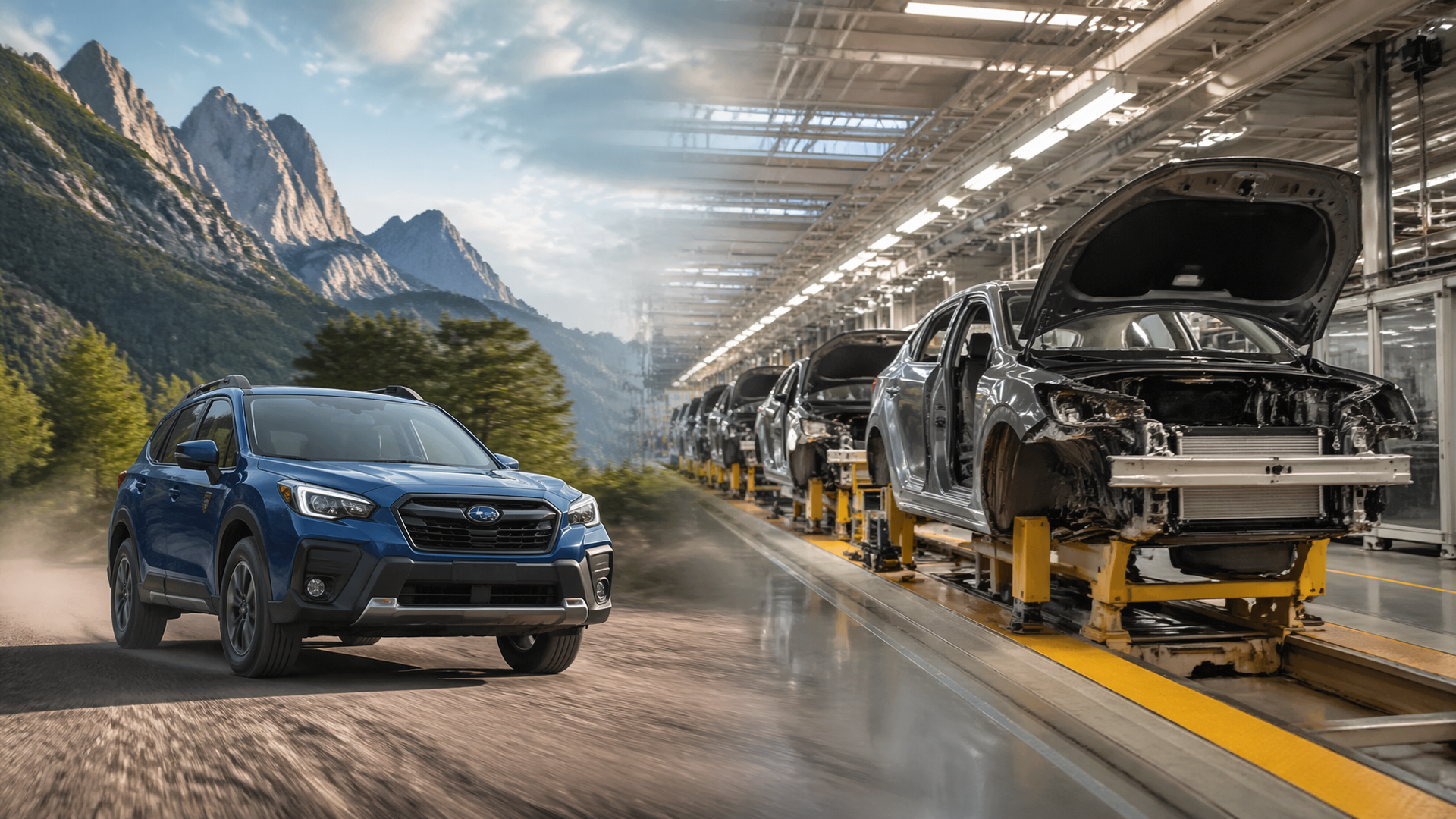
Where Subaru vehicles are built for the US and who actually owns the brand
Subaru vehicles sold in the United States are primarily manufactured in Lafayette, Indiana, at Subaru of Indiana Automotive, Inc. (SIA). This facility is the sole production site for many popular Subaru models destined for the North American market, including the Outback, Legacy, Ascent, and Impreza. The brand itself is owned by Subaru Corporation, a Japanese multinational conglomerate that also operates in aerospace and other industries. While Subaru Corporation designs and engineers its vehicles, SIA handles the assembly for the US market, distinguishing ownership from direct manufacturing location for many consumers.
Subaru’s US Manufacturing Hub in Indiana
Subaru of Indiana Automotive (SIA) is a wholly-owned subsidiary of Subaru Corporation and has been instrumental in building Subarus for the US market since 1989. The Lafayette plant is a significant operation, employing thousands and producing a substantial volume of vehicles. This domestic production allows Subaru to streamline logistics, respond more quickly to market demands, and contribute to the local economy. It’s important to note that while SIA builds many models for the US, some specific variants or older models might have been produced elsewhere, and certain niche or performance models like the BRZ (a joint project with Toyota) may have different manufacturing origins.
Understanding Subaru Corporation: The Parent Company
Subaru Corporation, headquartered in Tokyo, Japan, is the ultimate owner of the Subaru automotive brand. Unlike many automotive manufacturers that are solely focused on cars, Subaru Corporation has a diversified business portfolio. Its aerospace division, for instance, is a major player in defense and aviation technology. This corporate structure means that the decisions regarding vehicle design, engineering, and global strategy originate from Japan. The Indiana plant operates under the guidelines and standards set by Subaru Corporation, ensuring consistency in quality and performance across all vehicles bearing the Subaru badge.
Practical Implications of US Manufacturing
For US buyers, the fact that many Subarus are assembled in Indiana can offer a tangible connection to the vehicle’s production. This domestic manufacturing signifies a direct investment in the American economy and can contribute to a perception of local support and potentially faster parts availability for common models. Knowing your Outback or Ascent is built in the USA, rather than solely imported, can be a deciding factor for some consumers. However, it’s crucial to remember that while assembly is domestic for many models, the core engineering, design, and global brand strategy remain under the purview of Subaru Corporation in Japan.
Verifying Your Subaru’s Build Location
While most US-market Outbacks, Legacys, Ascents, and certain Imprezas are built in Indiana, there are ways to confirm the origin of your specific vehicle. The Vehicle Identification Number (VIN) can provide clues, though it doesn’t always explicitly state the manufacturing plant. A more reliable method is to check the sticker located on the driver’s side doorjamb. This sticker typically lists manufacturing information, including the plant where the vehicle was assembled. For older models or less common variants, consulting your Subaru owner’s manual or contacting a Subaru dealership with your VIN can offer definitive confirmation of its build location.
When Manufacturing Origin Might Differ
While Subaru of Indiana Automotive (SIA) is the primary manufacturing site for many US-market Subarus, there are exceptions. Certain models, particularly those with a global production strategy or niche performance variants, may be manufactured in Japan or other international facilities. For example, the Subaru Crosstrek has historically been produced in Japan, and specific generations or trims of other models might also originate from overseas factories. Understanding these distinctions is important, as manufacturing location can sometimes be a factor in vehicle specifications, availability, or even long-term parts sourcing, though Subaru maintains high quality standards across all its production sites.
Explore This Topic

Greedy Wheels is the founder and lead editor at Wheels Greed. With over 15 years of hands-on automotive experience — from rebuilding engines in a home garage to managing fleet maintenance for a regional logistics company — he brings real-world mechanical knowledge to every guide.
His work has been featured in automotive forums, owner communities, and dealership training materials. When he’s not researching the latest car owner questions, you’ll find him at a local track day, wrenching on his project car, or testing the newest OBD2 diagnostic tools.
At Wheels Greed, every article is reviewed against manufacturer service manuals, NHTSA bulletins, and verified owner reports. No AI-generated fluff. No guesswork. Just practical answers from someone who has turned the wrench.