Who Owns Kia? The Real Relationship Between Kia and Hyundai Explained
When I first started digging into the ownership of Kia, I was surprised to learn how intertwined it really is with Hyundai. Many people assume Kia operates completely independently, but the truth is a bit more complex. I’ve discovered some fascinating historical ties and collaborations between the two companies that have shaped the automotive landscape. In this article, I’ll break down the ownership structure, shared technologies, and strategic benefits that define their relationship. Join me as I explore what the future might hold for Kia and Hyundai in this ever-evolving industry.
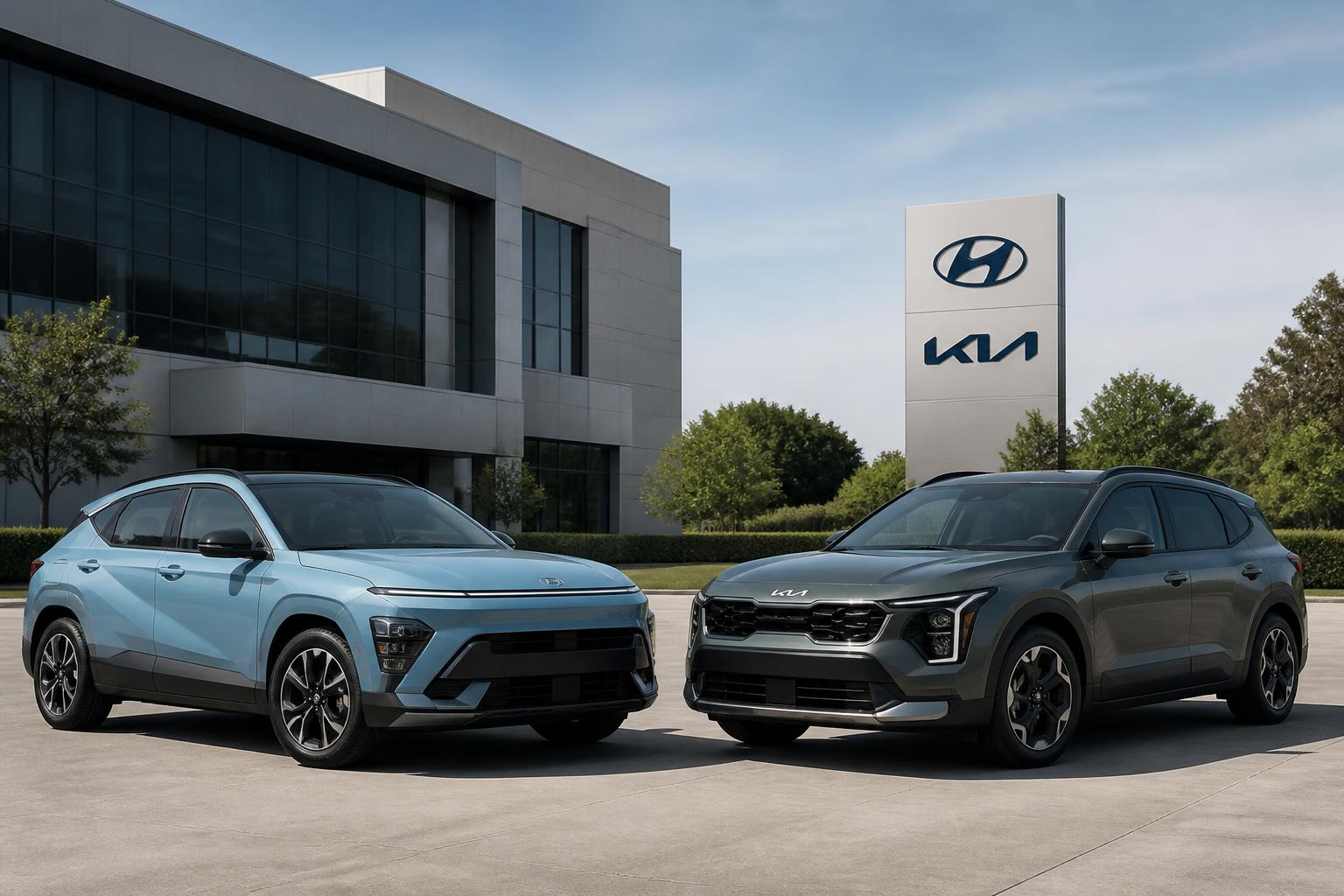
Kia Ownership at a Glance
Most searchers are really asking one of three things here: does Hyundai own Kia, does Kia still operate as its own brand, and does that relationship change anything for buyers in the United States. This section answers those points faster than the older narrative-style intro.
| Question | Short answer | Why it matters |
|---|---|---|
| Who owns Kia? | Kia is part of Hyundai Motor Group. | That is the cleanest answer for searchers who want the parent-company relationship fast. |
| Is Kia the same company as Hyundai? | No. They are separate brands that share group ownership, platforms, and engineering resources. | Buyers often confuse shared ownership with the brands being identical. |
| Does Hyundai ownership mean Kia models are just rebadged Hyundais? | No. There is overlap in technology and group strategy, but Kia still keeps its own branding, design direction, and product positioning. | This is usually the real intent behind the ownership question. |
What this means for U.S. buyers
- Kia can share engineering, powertrains, and software strategy with Hyundai while still targeting a different buyer profile.
- Ownership does not automatically tell you where a specific Kia was built, so shoppers should separate parent-company questions from assembly-location questions.
- The practical follow-up is often model support, warranty expectations, or where a vehicle was assembled for the U.S. market.
Related Kia and Hyundai guides
- Are Kia cars made in America?
- How Hyundai, Kia, and Genesis are related
- Who owns Genesis?
- What is Kia Connect?
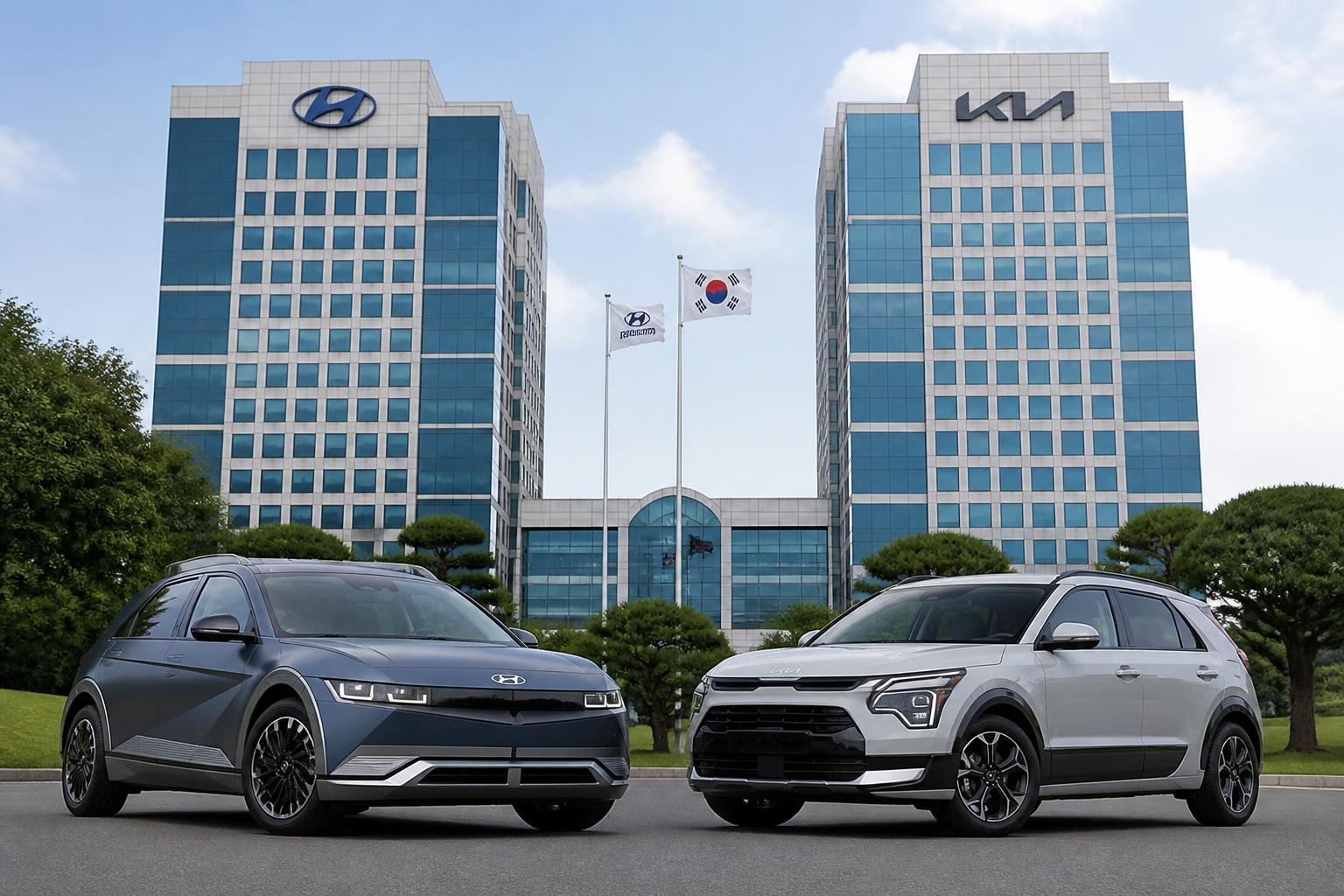
Ownership Structure of Kia and Hyundai
When I look at the ownership structure of Kia and Hyundai, it’s clear that there’s a complex relationship at play. I’ve noticed that Hyundai holds a significant stake in Kia, which impacts their operations and collaboration. This leads me to explore the various aspects of their ownership, including the corporate governance and joint ventures involved.
Kia Ownership Breakdown
I’ve been diving into Kia’s ownership breakdown and it’s fascinating to see how different shareholders influence the company’s direction. I’ve found that the largest portion is held by Hyundai Motor Company, which clearly shapes strategic decisions. It’s interesting to see how the remaining shares are distributed among institutional investors and individual shareholders. I can’t help but notice how this distribution affects Kia’s agility in the market. Overall, it paints a picture of interconnected interests that guide Kia’s future.
Hyundai’s Stake in Kia
Hyundai’s stake in Kia significantly influences the strategic decisions and innovations that drive both companies forward. I see how this relationship fosters collaboration on new technologies and platforms. It’s evident that shared resources enhance their competitive edge in the automotive market. I’ve also noticed that this partnership allows for a more streamlined approach to manufacturing and design. Overall, I believe this synergy shapes the future of both brands in a rapidly evolving industry.
Joint Ventures Explained
Joint ventures between Kia and Hyundai really showcase their strategic collaboration in expanding market reach and sharing resources. I’ve seen how these partnerships allow both companies to leverage each other’s strengths. It seems like they’re constantly pooling their expertise to innovate and improve their offerings. I can’t help but admire the way they navigate challenges together. This synergy definitely enhances their competitiveness in the automotive industry.
Corporate Governance Overview
Corporate governance in these companies plays a crucial role in shaping their strategies and decision-making processes, and I find it fascinating to analyze how this structure influences their performance. I’ve observed that the board of directors in both Kia and Hyundai often reflects their interconnected ownership. It intrigues me how their governance frameworks aim to promote transparency and accountability. I can’t help but think about how effective governance can lead to better risk management and overall success. Ultimately, I believe the corporate governance practices in these firms are vital for their long-term sustainability.

Historical Context of the Relationship
I’ve always found the relationship between Kia and Hyundai fascinating, especially given their intertwined histories. Their early collaborations laid the groundwork for what would become a significant partnership in the automotive industry. Now, let’s explore the key points that shaped their journey together.
Early Collaborations and Partnerships
The early collaborations between Kia and Hyundai played a crucial role in their development and success in the automotive market. I remember reading about how they shared resources and technology to enhance their product offerings. Their joint ventures allowed them to streamline production processes and reduce costs. I’ve always admired how these partnerships fostered innovation and competitiveness in the industry. It’s clear to me that their teamwork set the stage for their growth and prominence today.
Merger and Acquisition Timeline
Looking at the merger and acquisition timeline, I’m intrigued by the pivotal moments that defined their strategic growth. I remember when Hyundai acquired a stake in Kia back in 1998, which marked the beginning of a new era for both companies. It’s interesting to see how this relationship evolved, leading to significant investments and shared technology. I can’t help but notice how their combined efforts have strengthened their presence in the global market. This timeline truly reflects the dynamic nature of their partnership and its impact on the automotive landscape.
Impact on Automotive Industry
Kia and Hyundai’s innovative approaches have significantly reshaped consumer expectations in the automotive industry. I’ve noticed a shift in how consumers view quality and value, thanks to their competitive pricing and modern designs. It’s clear that their focus on sustainability and technology has set new standards for what drivers expect from their vehicles. I’m impressed by how they’ve challenged traditional automakers to rethink their strategies. Overall, their influence has undeniably transformed the landscape of automotive manufacturing.
Shared Technologies and Innovations
I’ve always found it fascinating how shared technologies and innovations can shape the automotive industry. It’s clear that the collaboration between Kia and Hyundai has led to significant advancements. Now, let’s dive into the specific areas of their partnership, starting with collaborative engineering efforts.
Collaborative Engineering Efforts
Collaborative engineering efforts between these two companies have led to innovative vehicle designs that push the boundaries of performance and sustainability. I’ve seen firsthand how they share resources and expertise to tackle complex engineering challenges. It’s impressive to witness the seamless integration of their technologies in new models. I can’t help but admire the commitment both companies have to creating eco-friendly solutions. Together, they’re redefining what’s possible in the automotive landscape.
Joint Research and Development
Joint research and development efforts between the two companies are paving the way for innovative solutions in the automotive sector. I’ve seen how their combined resources lead to groundbreaking technologies that benefit both brands. It’s exciting to think about the potential of electric and autonomous vehicles emerging from their joint projects. I can’t help but appreciate how this partnership drives efficiency and reduces costs. Ultimately, these developments not only enhance their product offerings but also set new industry standards.
Innovations in Vehicle Design
Innovations in vehicle design have really caught my attention lately, especially with the sleek new models being introduced. I can’t help but admire the bold lines and aerodynamic shapes that are becoming the norm. It’s impressive how both Kia and Hyundai are pushing boundaries to create visually striking vehicles. I’ve noticed a strong emphasis on functionality without sacrificing style. The integration of advanced technology in these designs truly enhances the driving experience.
Strategic Collaborations and Benefits
I’ve seen how strategic collaborations can lead to significant advantages in the automotive industry. These partnerships not only enhance innovation but also open doors to new markets. Now, let’s dive into the key points that highlight these benefits.
Joint Ventures Overview
Understanding the dynamics of joint ventures is crucial for leveraging shared resources and expertise in today’s competitive landscape. I’ve noticed that joint ventures can significantly reduce risks while maximizing potential returns. They allow companies to pool their strengths and capabilities, making them more competitive. I’ve often seen how these collaborations can lead to innovative solutions that neither party could achieve alone. Ultimately, joint ventures can serve as a powerful strategy for growth and expansion in various industries.
Shared Technology Advancements
Shared technology advancements have really transformed how we approach design and manufacturing in the automotive sector. I’ve noticed that companies like Kia and Hyundai leverage shared resources to streamline their processes. It’s fascinating to see how they integrate cutting-edge technology into their vehicles. I’ve felt the impact of these advancements in the overall quality and efficiency of production. Ultimately, it’s reshaping the way we think about collaboration in the automotive world.
Market Expansion Strategies
Market expansion strategies can really transform a business, and I’ve noticed how they help companies tap into new customer bases effectively. I’ve seen businesses leverage these strategies to increase their market share and boost revenue. It’s fascinating how understanding local cultures can lead to tailored products that resonate with consumers. I believe that entering new geographic markets can revitalize a brand’s image and appeal. Ultimately, I’ve realized that successful market expansion hinges on thorough research and adaptability.
Market Positioning and Branding
When I think about market positioning and branding, I recognize how crucial they are in distinguishing a company’s identity. It’s fascinating to see how different strategies can influence consumer perceptions and brand loyalty. Now, let’s dive into some key points that highlight these concepts further.
Market Strategies Comparison
Comparing different market strategies helps me see which approaches resonate best with consumers. I’ve noticed that some brands focus heavily on emotional connections while others prioritize functionality and reliability. It’s interesting how the pricing strategies can also create distinct market segments. I often find myself drawn to brands that effectively communicate their value propositions. Ultimately, the way companies position themselves can significantly impact their success in the marketplace.
Brand Identity Differentiation
I believe that effective brand identity differentiation sets a company apart in a crowded marketplace. I’ve seen how unique branding can create a memorable experience for consumers. It’s not just about a logo or a tagline; it’s about the entire narrative a brand creates. When I encounter brands with clear identities, I’m more likely to feel a connection to them. Ultimately, strong differentiation can lead to increased loyalty and trust from customers.
Consumer Perception Analysis
Consumer perception analysis reveals how people interpret and respond to a brand’s messaging, and it’s fascinating to see the diverse factors that shape these viewpoints. I often notice how personal experiences can heavily influence someone’s perception of a brand. It’s interesting to see how social media and online reviews play a significant role in shaping opinions today. I can’t help but think about how emotional connections to a brand can foster loyalty over time. Ultimately, I find it compelling how these perceptions can significantly impact a company’s market success.
The Future of Kia and Hyundai’s Partnership
Kia and Hyundai’s partnership is set to evolve significantly in the coming years. I see more collaboration in technology and design, which excites me. I think we’ll witness innovative electric vehicles that combine both brands’ strengths. I’m curious about how this partnership will influence global market strategies. Overall, I believe it’ll create a more competitive edge for both companies.
Conclusion
In reflecting on the relationship between Kia and Hyundai, it’s clear that their partnership is a game-changer in the automotive landscape. The synergy between the two not only drives innovation but also sets new benchmarks for quality and sustainability. I’ve come to appreciate how their strategic collaborations enable them to respond effectively to market demands and consumer expectations. As they continue to evolve together, I believe they’ll further enhance their competitive edge and reshape the industry’s future. This dynamic alliance truly exemplifies the power of shared vision and resources in achieving remarkable success.
If you’re interested in staying informed about traffic conditions while driving, be sure to check out the latest updates on the Bishop Ford. You can find real-time traffic information and helpful tips at this link: Traffic Updates on the Bishop Ford Today. It’s a valuable resource for anyone navigating the area!

Greedy Wheels is the founder and lead editor at Wheels Greed. With over 15 years of hands-on automotive experience — from rebuilding engines in a home garage to managing fleet maintenance for a regional logistics company — he brings real-world mechanical knowledge to every guide.
His work has been featured in automotive forums, owner communities, and dealership training materials. When he’s not researching the latest car owner questions, you’ll find him at a local track day, wrenching on his project car, or testing the newest OBD2 diagnostic tools.
At Wheels Greed, every article is reviewed against manufacturer service manuals, NHTSA bulletins, and verified owner reports. No AI-generated fluff. No guesswork. Just practical answers from someone who has turned the wrench.