Are Kia Cars Made in America? Models Built in the USA
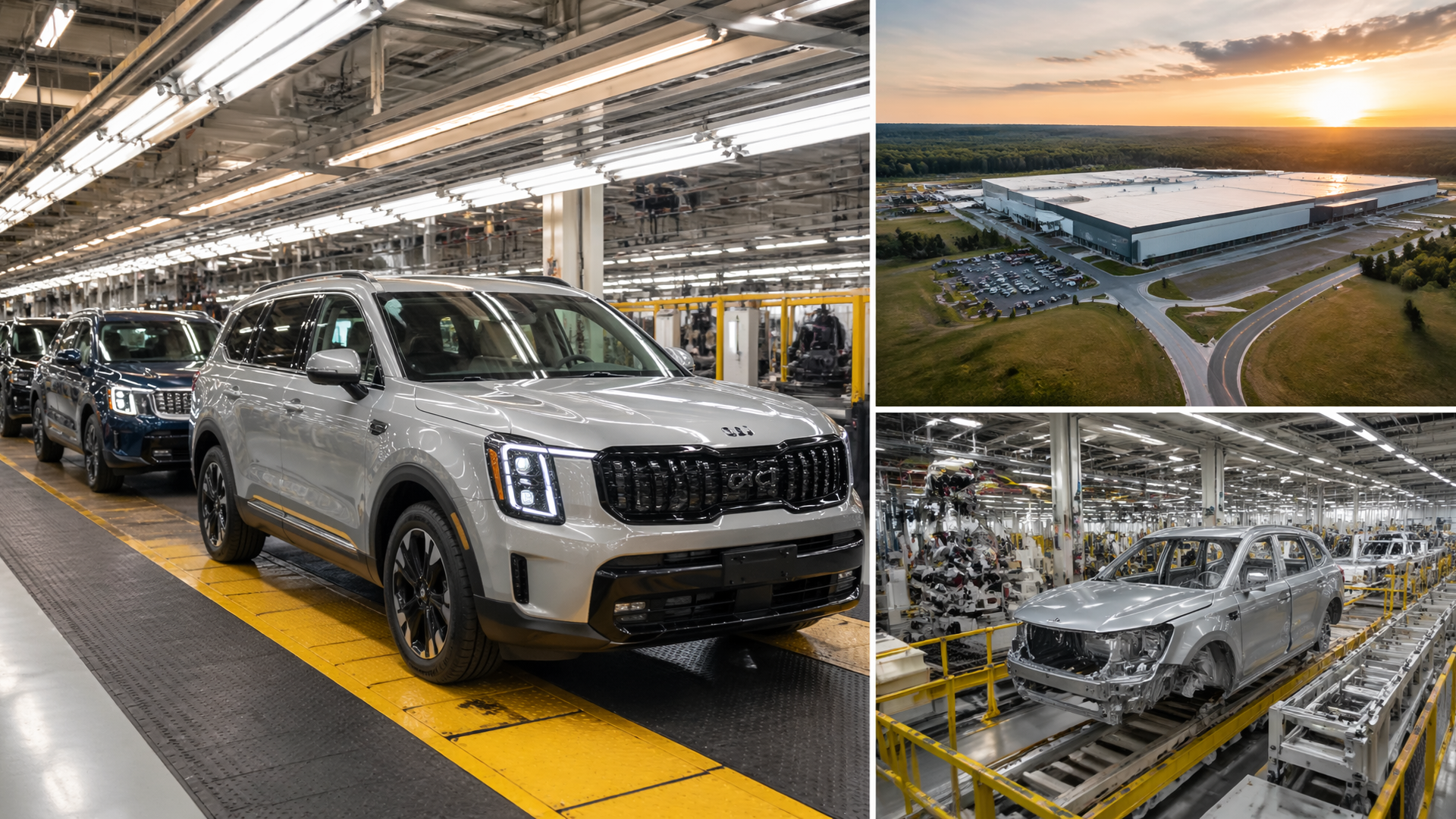
If you’re wondering where your Kia is made, many popular models sold in the United States are assembled domestically at Kia’s manufacturing plant in West Point, Georgia. This means vehicles like the Kia Telluride, Sorento, and Sportage, along with the all-electric EV6, are built in America, contributing to their “American-made” status for U.S. consumers. While Kia is a global brand with South Korean origins, its significant investment in U.S. production means a substantial portion of the vehicles you see on American roads are manufactured locally.

Which Kia Models Roll Off the Georgia Assembly Line?
The primary hub for Kia’s U.S. vehicle production is the expansive assembly plant located in West Point, Georgia. This facility is crucial for supplying the North American market with several of Kia’s most sought-after vehicles:
- Kia Telluride: This highly acclaimed three-row SUV, a consistent favorite among American buyers, is exclusively manufactured in Georgia for the North American market.
- Kia Sorento: The versatile Sorento SUV, which also comes in hybrid and plug-in hybrid variants, is another key model assembled at the Georgia plant.
- Kia Sportage: This popular compact SUV, including its efficient hybrid and plug-in hybrid versions, benefits from U.S.-based manufacturing at the West Point facility.
- Kia EV6: Kia’s innovative all-electric crossover, the EV6, is also produced at the Georgia plant, highlighting the brand’s commitment to domestic electric vehicle manufacturing.
It is important to understand that while these vehicles are assembled in the United States, the components used in their construction are sourced from a global network of suppliers. However, the final assembly and significant value addition occur within the U.S.
Understanding Kia’s Global Manufacturing Network
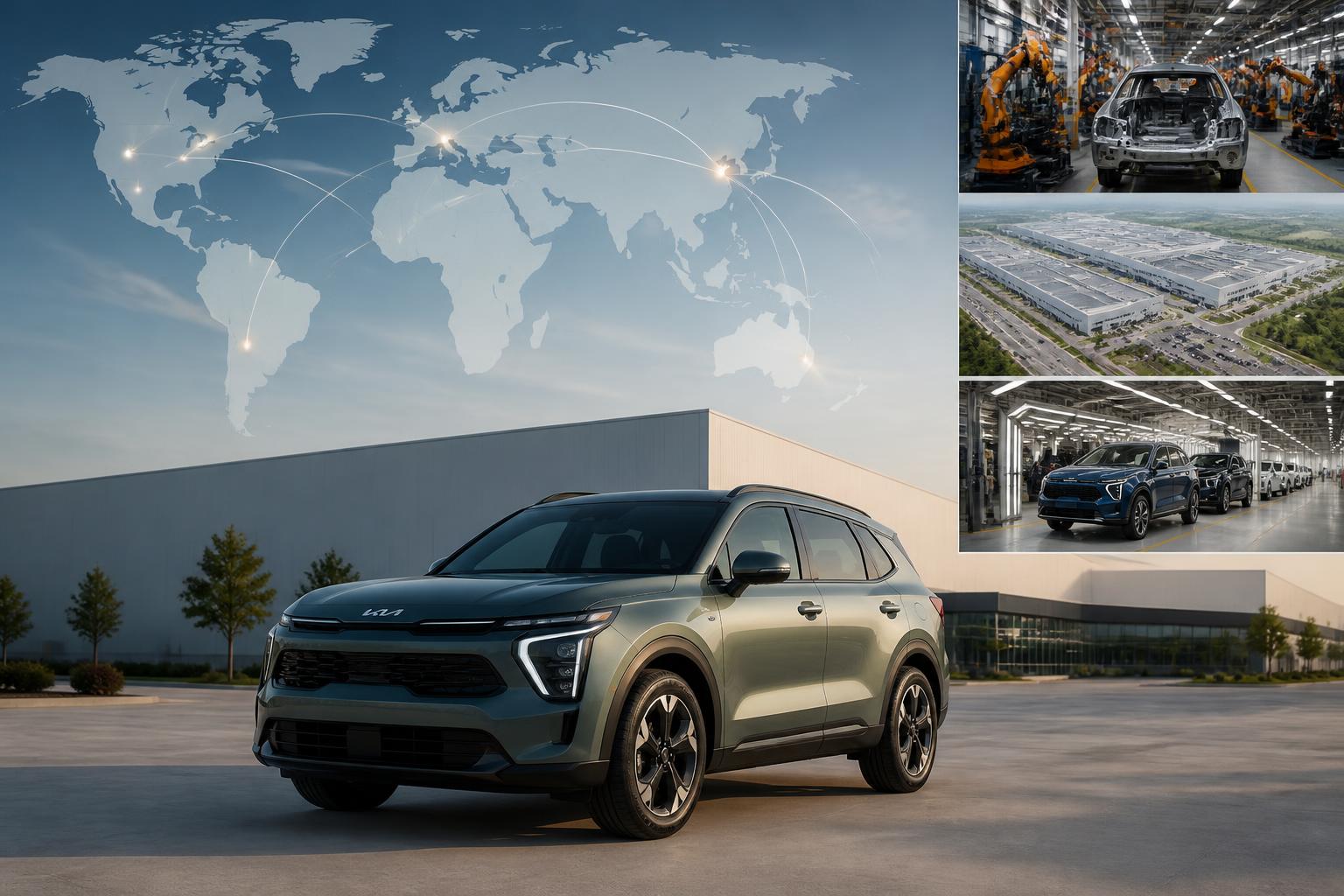
Kia Corporation, headquartered in South Korea, operates a worldwide network of production facilities. The Georgia plant, which began operations in 2009, stands as Kia’s largest automotive manufacturing facility in the Western Hemisphere. Its strategic location facilitates efficient distribution across North and South America. The plant is a significant employer and has a considerable positive economic impact on its surrounding region.
While the Georgia plant is dedicated to specific models, other Kia vehicles available in the U.S. may be manufactured in South Korea or other international locations. For instance, models like the Kia Rio and Kia Forte have historically been produced in South Korea, though production sites can change based on evolving market demands and Kia’s corporate strategies.

How to Verify Your Kia’s Manufacturing Origin
To confirm where your specific Kia vehicle was manufactured, you can typically find this information by examining the Vehicle Identification Number (VIN). The VIN plate is commonly located on the driver’s side dashboard, visible through the windshield, or on the driver’s side doorjamb. The tenth digit of the VIN usually signifies the model year, while the first one or two digits indicate the country of origin. For example, a VIN beginning with “1” or “4” generally signifies manufacture in the United States, whereas a VIN starting with “K” indicates production in Korea. If you need precise manufacturing details for your vehicle, you can consult your owner’s manual or contact a Kia dealership with your VIN.
What This Means for Your Purchase or Ownership
Knowing which Kia models are built in America can influence your purchasing decisions, especially if you prioritize supporting domestic manufacturing or are interested in specific models that benefit from U.S. assembly. For owners, it means that popular vehicles like the Telluride and Sorento have a significant portion of their value chain within the United States. This can sometimes translate to quicker parts availability for locally assembled models, although global supply chain issues can affect all vehicles. When shopping for a new Kia, understanding the origin of assembly can align with personal preferences for where your vehicle is built.
Verifying Assembly Location for Specific Trims and Years
While the Georgia plant is the primary U.S. manufacturing site for Kia, it’s always wise to verify the assembly location for the exact model, trim, and model year you are interested in. Production assignments can occasionally shift, and certain trims or special editions might have different manufacturing origins. The VIN is the most reliable indicator. For instance, if you are looking at a 2023 Kia Sportage Hybrid, checking the VIN starting digits will confirm if it came from the Georgia plant. If the VIN begins with “1” or “4”, it was assembled in the U.S.; a VIN starting with “K” indicates it was built in Korea. This verification is crucial for making an informed decision, especially if the “Made in America” aspect is a deciding factor for you.
Potential Mismatches and What to Expect
It’s important to note that while many Kia vehicles are assembled in the U.S., not all of them are. Models like the Kia Rio or Forte have historically been produced in South Korea. If your primary goal is to purchase a vehicle exclusively assembled in the U.S., you must confirm the origin of the specific model and trim you are considering. A mismatch can occur if a consumer assumes all Kia vehicles are built in America, only to discover their chosen model was manufactured overseas. This doesn’t diminish the quality of the vehicle but is a key distinction for those prioritizing U.S. assembly.
When to Seek Further Confirmation
If you are unable to locate the VIN plate or are uncertain about interpreting the VIN to determine the country of origin, the most straightforward next step is to contact your local Kia dealership. They have access to comprehensive vehicle databases and can provide definitive information about where your specific Kia was manufactured based on its VIN. This is especially helpful if you are considering a used vehicle where documentation might be incomplete or if you want to confirm details for a model year where production locations may have been in transition.

Greedy Wheels is the founder and lead editor at Wheels Greed. With over 15 years of hands-on automotive experience — from rebuilding engines in a home garage to managing fleet maintenance for a regional logistics company — he brings real-world mechanical knowledge to every guide.
His work has been featured in automotive forums, owner communities, and dealership training materials. When he’s not researching the latest car owner questions, you’ll find him at a local track day, wrenching on his project car, or testing the newest OBD2 diagnostic tools.
At Wheels Greed, every article is reviewed against manufacturer service manuals, NHTSA bulletins, and verified owner reports. No AI-generated fluff. No guesswork. Just practical answers from someone who has turned the wrench.