Is Volvo Chinese-Owned? Who Owns Volvo Today
Yes, Volvo is owned by China-based Geely, but Volvo remains a Swedish brand with Swedish roots, engineering, and design leadership. The details below explain who owns Volvo today and what that means for buyers in the U.S.
Quick Answer
Yes, Volvo is Chinese-owned through Geely, but Volvo still operates as a Swedish brand with strong Swedish design and engineering identity. For most U.S. buyers, the practical question is not just ownership, but whether Geely ownership changes product quality, design direction, or service expectations.
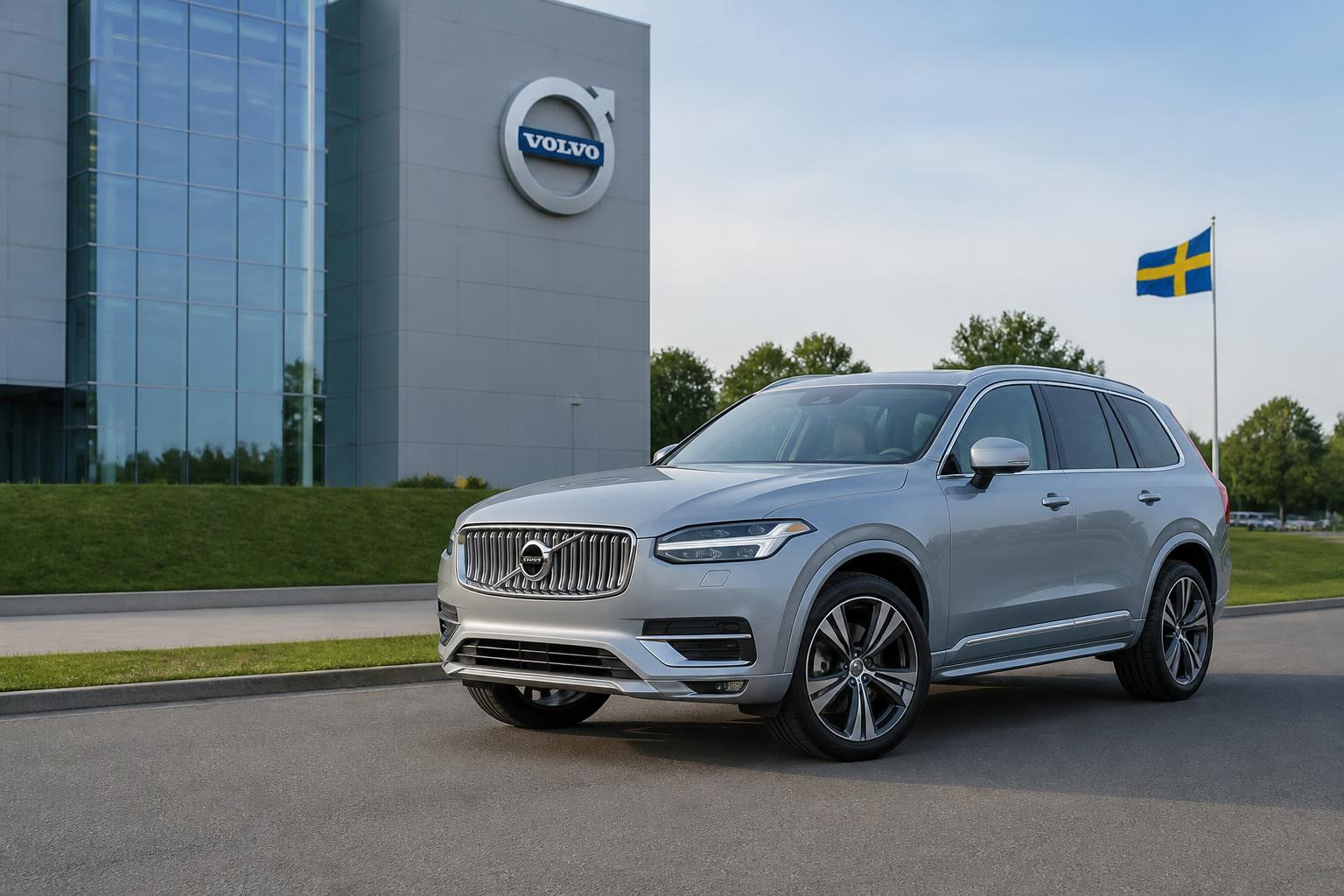
Volvo Ownership Snapshot
| Question | Quick Answer |
|---|---|
| Who owns Volvo today? | Volvo is owned by Geely. |
| Is Volvo still Swedish? | Yes in brand heritage, design identity, and market positioning, even though ownership is Chinese. |
| Does ownership automatically mean lower quality? | No. Buyers should judge current products, engineering, and reliability evidence rather than assume a change from ownership alone. |
| Why does this matter in the U.S.? | People usually want clarity on brand identity, product quality, and whether Volvo is still the same kind of company they expect. |
Fast FAQs
Did Volvo stop being Swedish after Geely bought it?
No. Ownership changed, but Volvo still markets itself around Swedish design, safety, and brand heritage.
What do buyers usually misunderstand?
Many people confuse ownership with manufacturing location, engineering culture, or product quality, even though those are separate questions.
What should U.S. buyers focus on?
Focus on current model reliability, service support, ownership costs, and how the brand performs in the market today.
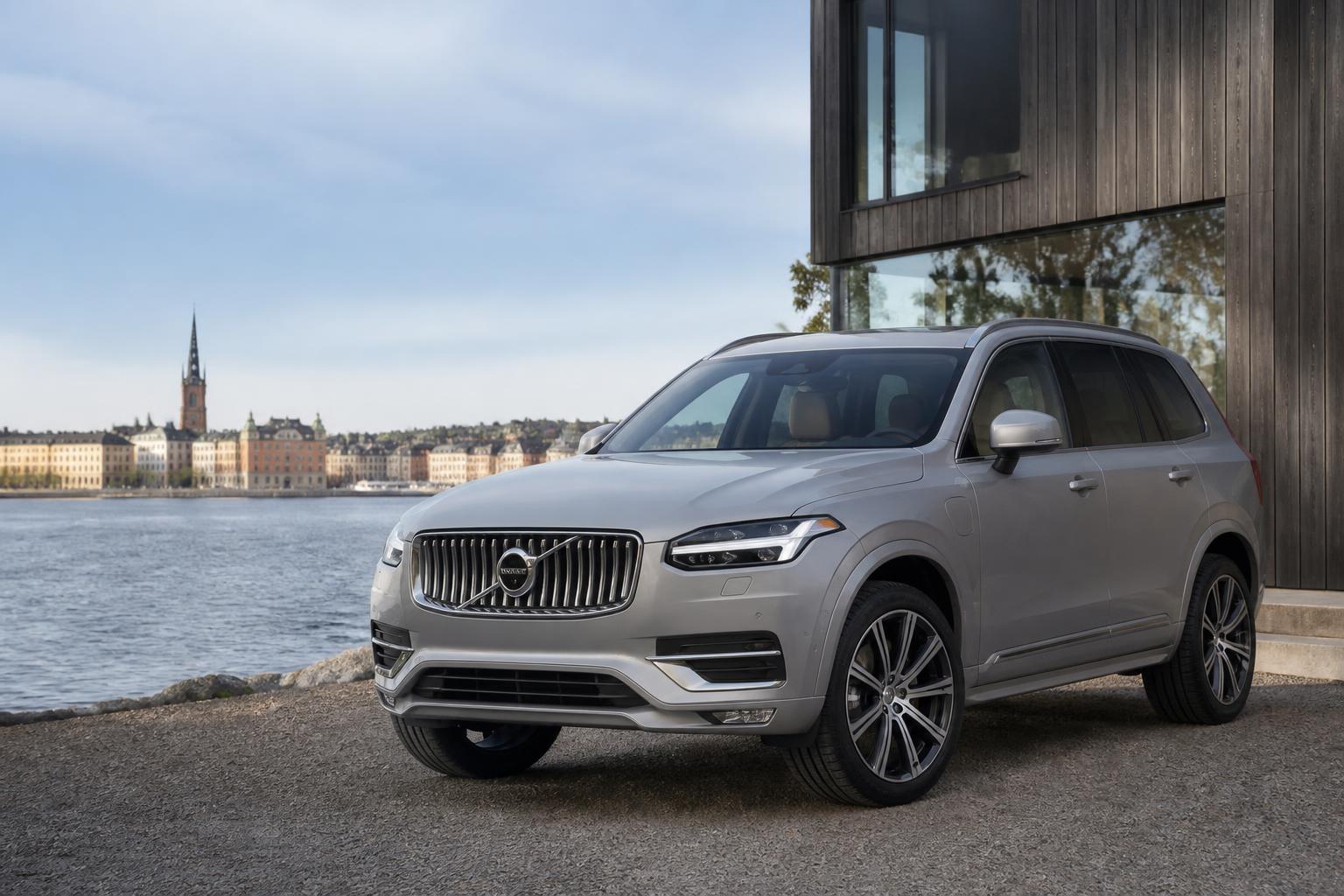
Volvo Ownership: What U.S. Buyers Usually Mean by “Chinese-Owned”
The search intent here is rarely about corporate paperwork alone. Most readers want to know whether Geely ownership changed Volvo’s quality, safety reputation, engineering direction, or buyer confidence in the United States. This section keeps the answer focused on that buyer-facing meaning.
| Volvo ownership question | Short answer | Why the answer needs context |
|---|---|---|
| Is Volvo Chinese-owned? | Yes. Volvo is owned by Geely. | That is true at the parent-company level, but it does not erase Volvo’s Swedish brand identity. |
| Is Volvo still Swedish? | Yes in brand heritage, design identity, and market positioning. | Searchers often treat ownership and brand identity as if only one can be true. |
| Should U.S. buyers worry about the ownership change? | The more useful question is how ownership affects products, quality, software, and service support over time. | That is the practical concern hidden inside most ownership searches. |
What this means in the U.S. market
- Ownership headlines matter less than the actual product, dealer experience, and long-term support buyers receive in America.
- Brand heritage, engineering leadership, and manufacturing footprint can all remain mixed even after an ownership change.
- Readers comparing Volvo with German or Japanese luxury brands usually need reliability, support, and model-specific context next.
Related Volvo guides
This Volvo Ownership Page Now Covers the Main Duplicate Questions
The overlapping Volvo ownership pages were all trying to answer one buyer-facing issue: who owns Volvo today, whether Volvo counts as Chinese-owned, and what that means for people shopping the brand in the United States. This page is now the main version for that cluster.
| Duplicate question pattern | Now covered here | Reason for consolidation |
|---|---|---|
| Who owns Volvo? | Yes | The corporate answer and the buyer-facing meaning belong together. |
| Is Volvo Chinese-owned? | Yes | That phrasing is simply a sharper version of the same ownership topic. |
| How should U.S. buyers interpret Geely ownership? | Yes | This is the practical follow-up behind almost every duplicate Volvo ownership page. |
Key Takeaways
Volvo was acquired by Geely in 2010, resulting in Chinese majority ownership while retaining Swedish heritage and operational autonomy.
The collaboration with Geely has facilitated Volvo’s expansion into emerging markets and increased investment in technology and innovation, particularly in electric vehicles.
Volvo emphasizes innovation and sustainability, aligning with global automotive trends and enhancing brand equity in quality, safety, and design.
Future developments focus on electric mobility, advanced safety features, and partnerships for innovation in autonomous technologies, with a commitment to carbon neutrality by 2040.
Ownership History of Volvo
The ownership history of Volvo reflects a series of strategic transitions that have shaped its corporate identity. Notably, the acquisition by the Chinese automotive group Geely in 2010 marked a significant turning point in the brand’s trajectory. Today, Volvo operates under Geely’s ownership, contributing to a complex current ownership structure that influences its global operations.
Early Ownership Changes
Early ownership changes of Volvo included its establishment in 1927, followed by a series of transitions that ultimately led to its acquisition by Ford in 1999. Under Ford’s ownership, Volvo’s brand identity and product offerings were significantly influenced by the American automotive giant. In 2010, Volvo was sold to the Chinese automotive group Geely, marking a pivotal shift in its international strategy. This acquisition has allowed Volvo to leverage Geely’s resources while maintaining its distinct Swedish heritage. The current ownership structure under Geely continues to shape Volvo’s innovations and market presence globally.
Acquisition by Geely
Acquisition by Geely has enabled Volvo to leverage new resources and expand its presence in emerging markets, thereby enhancing its competitive edge in the global automotive industry. This partnership has allowed Volvo to tap into Geely’s extensive distribution networks and local market knowledge, facilitating more efficient operations. Furthermore, Geely’s investment in technology and innovation has bolstered Volvo’s research and development capabilities. The synergies created through this acquisition have positioned Volvo to adapt to changing consumer preferences and industry trends. As a result, Volvo continues to strengthen its brand identity while maintaining a focus on sustainability and electric vehicle production.
Current Ownership Structure
Current ownership structure is characterized by Geely holding a majority stake, while maintaining operational autonomy that allows Volvo to innovate within the competitive automotive market. This duality ensures that Volvo retains its Swedish heritage and brand identity while benefiting from Geely’s resources and strategic direction. The collaboration enables Volvo to expand its electric vehicle portfolio and sustainable practices in alignment with global trends. Additionally, Geely’s influence provides access to emerging markets, enhancing Volvo’s competitive positioning. Overall, this ownership arrangement fosters a unique blend of stability and innovation for the brand.
Geely’s Acquisition of Volvo
In 2010, Geely Holding Group acquired Volvo Cars from Ford Motor Company, marking a significant shift in the automotive landscape. This strategic investment has since fostered a collaborative environment that aims to enhance both companies’ global competitiveness. As Geely continues to leverage its resources and expertise, the implications for Volvo’s brand, manufacturing capabilities, and future innovations are becoming increasingly evident.
Geely’s Strategic Investment
Geely’s strategic investment emphasizes the importance of innovation and sustainable practices in the automotive sector. This investment has enabled Volvo to enhance its technological capabilities, ensuring a competitive edge in electric mobility. By integrating Geely’s advanced manufacturing techniques, Volvo has improved efficiency and reduced environmental impact. Furthermore, the collaboration supports the development of new models that align with global sustainability goals. Overall, Geely’s involvement underscores a commitment to shaping a more responsible and innovative automotive future.
Impact on Volvo’s Brand
The impact on Volvo’s brand has been characterized by a renewed focus on innovation and sustainability, aligning with global automotive trends and consumer expectations. This transformation has positioned Volvo as a leader in the electric vehicle market, reflecting a commitment to environmental responsibility. Additionally, the integration of advanced technology has enhanced the overall driving experience, appealing to a tech-savvy consumer base. Geely’s backing has provided Volvo with the necessary resources to expand its market presence and develop new models. Consequently, Volvo’s brand equity has strengthened, underpinned by a reputation for quality, safety, and forward-thinking design.
Manufacturing and Technology Synergies
Manufacturing and technology synergies between Geely and Volvo are driving advancements in electric vehicle production and autonomous driving capabilities. The integration of Geely’s resources with Volvo’s engineering expertise has resulted in innovative manufacturing processes. Collaborative research and development initiatives are enhancing the efficiency and sustainability of vehicle production. These synergies are also facilitating the rapid deployment of cutting-edge technologies in Volvo’s new models. As a result, both companies are positioning themselves as leaders in the evolving automotive market.
Future Plans and Developments
Future plans and developments for Volvo Cars are expected to focus on electric mobility, advanced safety features, and sustainable production practices to align with global environmental standards. The company aims to expand its electric vehicle lineup significantly by the mid-2020s, enhancing its commitment to reducing carbon emissions. Additionally, Volvo is investing in cutting-edge technologies that prioritize consumer safety and convenience, further solidifying its reputation in the automotive industry. Collaborations with technology partners are anticipated to drive innovation in autonomous driving features and connectivity solutions. These initiatives will undoubtedly have a profound impact on Volvo’s brand identity as it navigates the evolving market landscape.
Impact on Volvo’s Brand Identity
The acquisition of Volvo by Geely has significantly influenced the brand’s identity, reshaping consumer perceptions and market dynamics. As a Chinese-owned entity, Volvo’s cultural nuances and design philosophies have evolved, leading to a redefined approach in its global strategy. This transition prompts an examination of the resulting impact on brand perception, market positioning, and overall reputation.
Brand Perception Among Consumers
Brand perception among consumers has shifted notably as Volvo integrates its Chinese ownership with its established Scandinavian heritage, resulting in a complex identity that influences purchasing decisions. This blending of cultural elements has led to increased scrutiny and curiosity surrounding the brand’s authenticity and values. As a result, consumers are increasingly drawn to the innovative features and sustainability initiatives that Volvo now emphasizes. Furthermore, the brand’s ability to balance tradition with modernity has become a key factor in its market positioning. Consequently, understanding the cultural influence on design will be essential in assessing Volvo’s evolving identity and consumer appeal.
Cultural Influence on Design
Cultural influences play a crucial role in shaping design choices at Volvo, reflecting a blend of Scandinavian aesthetics and Chinese market preferences. This fusion results in vehicles that embody minimalist elegance while integrating features that cater to the diverse expectations of global consumers. The emphasis on sustainability resonates strongly with Scandinavian values, while innovative technology appeals to the demands of the Chinese market. As Volvo continues to navigate this cultural interplay, it enhances its ability to connect with a broader audience. Ultimately, these design choices are pivotal in reinforcing Volvo’s brand identity in a competitive landscape.
Market Position and Strategy
Volvo’s market position has been strategically enhanced through targeted investments and a renewed focus on electric vehicle technology, aligning with global sustainability trends. The brand has successfully leveraged its heritage of safety and innovation to attract a new generation of environmentally conscious consumers. Collaborations with technology firms have further bolstered its competitive edge in the rapidly evolving automotive landscape. Additionally, Volvo’s commitment to reducing carbon emissions has solidified its reputation as a forward-thinking leader in the industry. This strategic transformation not only reflects a dedication to sustainability but also positions Volvo favorably in a market increasingly dominated by electric mobility.
Global Reputation and Trust
Global reputation and trust in automotive brands are increasingly influenced by consumer perceptions of ownership and origin, particularly in the case of Volvo following its acquisition by Geely. This shift has led to a complex interplay of loyalty and skepticism among consumers, as they grapple with the implications of a traditional Swedish brand now under Chinese ownership. The perception of quality and innovation remains a critical factor in maintaining Volvo’s reputation, as stakeholders assess the brand’s alignment with its heritage. Furthermore, the geopolitical landscape plays a significant role in shaping consumer attitudes towards foreign ownership in the automotive sector. Ultimately, Volvo’s ability to navigate these perceptions will be essential in sustaining its global standing and market trust.
Current Operations and Strategies
Current operations and strategies focus on innovation in electric vehicle technology and sustainability practices to enhance market competitiveness. Volvo is committed to achieving carbon neutrality across its entire product life cycle by 2040. The company is investing heavily in research and development to advance battery technology and expand its electric vehicle lineup. Additionally, Volvo aims to incorporate circular economy principles into its manufacturing processes, reducing waste and maximizing resource efficiency. Collaborations with technology firms and startups are being pursued to accelerate the development of autonomous driving features. The brand is also enhancing its digital services to improve customer experience and engagement. Marketing strategies are shifting to emphasize the environmental benefits of electric vehicles, targeting eco-conscious consumers. Volvo is actively participating in global partnerships to promote sustainable mobility solutions. These efforts position the company as a leader in the transition toward a greener automotive industry.
Volvo’s Future in the Global Market
The future of the automotive market will significantly influence the strategic decisions made by Volvo’s management team in response to evolving consumer preferences and competitive pressures. As electric vehicle technology continues to advance, Volvo is likely to prioritize its electrification strategy to maintain competitiveness. This transition aligns with the growing global demand for sustainable transportation solutions. Additionally, Volvo’s focus on safety and innovation will play a crucial role in enhancing its brand reputation among consumers. The expanding market for connected cars presents an opportunity for Volvo to integrate advanced technology into its offerings.
Furthermore, strategic partnerships and collaborations with tech companies may be essential to accelerate development in autonomous driving capabilities. Volvo’s commitment to reducing carbon emissions will also guide its product development and market positioning. The brand’s efforts to penetrate emerging markets will be vital for sustaining growth in a rapidly changing landscape. Ultimately, Volvo’s ability to adapt to these trends will determine its future success in the global automotive market.
Frequently Asked Questions
What role does volvo’s swedish heritage play in its marketing strategy today?
Volvo’s Swedish heritage is integral to its marketing strategy, as it evokes a strong association with safety, reliability, and innovative design, which resonate with consumers seeking quality automotive experiences. By emphasizing its Scandinavian roots, Volvo effectively positions itself as a premium brand that embodies values of sustainability and social responsibility, appealing to environmentally conscious buyers in a competitive market.
How has the ownership change affected volvo’s employee culture and morale?
The change in ownership has significantly influenced Volvo’s employee culture and morale, fostering a sense of global collaboration and innovation. This shift has encouraged employees to embrace new perspectives and practices, enhancing overall job satisfaction and engagement within the organization.
What are the environmental initiatives volvo is currently pursuing under chinese ownership?
Volvo is actively pursuing several environmental initiatives, including the commitment to electrify its entire vehicle lineup by 2030, aiming for a significant reduction in carbon emissions. Additionally, the company is focusing on sustainable manufacturing practices and aims to achieve climate neutrality across its operations by 2040.
Conclusion
The ownership of Volvo by Geely represents a significant evolution in the brand’s history, merging Eastern investment with Western automotive heritage. This strategic partnership has catalyzed innovation, particularly in the realm of electric vehicles, positioning Volvo as a leader in sustainability within the automotive industry. The ongoing commitment to advanced safety technologies and environmentally conscious production methods reflects a dedication to meeting emerging market demands. Despite mixed consumer perceptions regarding Chinese ownership, the emphasis on quality and innovation remains paramount for maintaining brand integrity. Ultimately, Volvo’s trajectory towards a carbon-neutral future underscores its adaptability in a rapidly changing global landscape.
If you’re interested in exploring the latest technology in vehicles, I highly recommend visiting this page on Understanding Sync 3 Features on Ford Vehicles. It provides valuable insights into the innovative features that enhance your driving experience. Check it out here: sync 3 on ford.
Explore This Topic

Greedy Wheels is the founder and lead editor at Wheels Greed. With over 15 years of hands-on automotive experience — from rebuilding engines in a home garage to managing fleet maintenance for a regional logistics company — he brings real-world mechanical knowledge to every guide.
His work has been featured in automotive forums, owner communities, and dealership training materials. When he’s not researching the latest car owner questions, you’ll find him at a local track day, wrenching on his project car, or testing the newest OBD2 diagnostic tools.
At Wheels Greed, every article is reviewed against manufacturer service manuals, NHTSA bulletins, and verified owner reports. No AI-generated fluff. No guesswork. Just practical answers from someone who has turned the wrench.