Servicing Your Lexus at a Toyota Dealership: What’s Allowed?
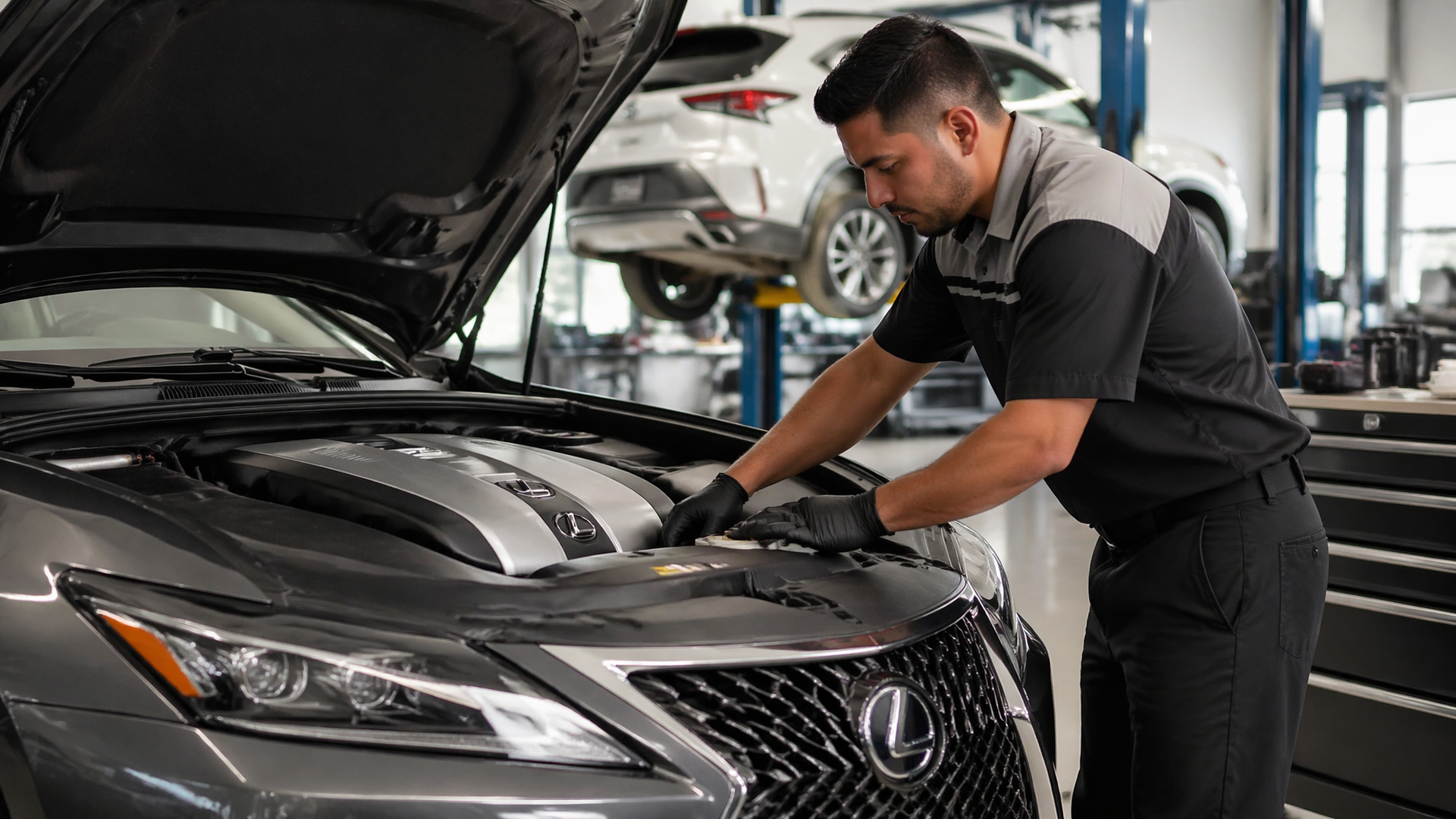
Yes, a Toyota dealership can generally service your Lexus for routine maintenance. Because Lexus is Toyota’s luxury brand, many underlying components, diagnostic tools, and even some technicians are shared. This means common services like oil changes, tire rotations, and basic inspections are often well within the capabilities of a Toyota service center, potentially offering a more convenient or cost-effective option.
However, it’s crucial to understand the limitations. While Toyota dealerships can handle many routine tasks, they may not be equipped or authorized for all Lexus-specific repairs, complex diagnostics, or warranty work. For these more specialized needs, a dedicated Lexus dealership remains the best choice.
Routine Maintenance is Often Feasible
For straightforward servicing needs, a Toyota dealership can typically accommodate your Lexus. This includes:
- Oil and Filter Changes: Most Toyota dealerships stock the appropriate oil grades and filters compatible with a wide range of Lexus models.
- Tire Services: Tire rotations, balancing, and pressure checks are standard procedures that any dealership with the right equipment can perform on a Lexus.
- Brake Inspections and Pad Replacement: While brake pad materials might vary, the process of inspecting and replacing them is generally consistent across Toyota and Lexus platforms.
- Fluid Level Checks: Topping off essential fluids like coolant, brake fluid, and windshield washer fluid is a common service.
- Battery Testing: Standard automotive batteries used in many Lexus vehicles can be tested and replaced at a Toyota facility.
These services rely on shared mechanical principles and often use similar parts, making them accessible for Toyota technicians.
When to Stick with a Lexus Dealership
There are specific situations where a Lexus dealership is the preferred, or even necessary, service provider:
- Complex Diagnostics and Specialized Systems: Lexus vehicles often feature advanced technology, such as intricate infotainment systems, adaptive suspension, unique hybrid powertrains, or high-performance engine components. Toyota technicians may lack the specialized training, diagnostic software, or specific tools required for these sophisticated systems.
- Warranty Repairs and Recalls: To ensure warranty claims are processed correctly and that repairs adhere to Lexus’s strict specifications, it’s usually best to visit a Lexus dealer. Some warranty work may explicitly require service at an authorized Lexus facility to remain valid.
- Performance-Tuned Components: Repairs involving Lexus’s performance-oriented engines, transmissions, or chassis components often require specific knowledge and parts that only a Lexus dealership can reliably provide.
- Unique Lexus Features: Services related to luxury appointments, such as advanced climate control, premium audio systems, or intricate interior electronics, are best handled by technicians with in-depth knowledge of Lexus engineering.
Verifying Service Suitability
Before scheduling a service at a Toyota dealership for your Lexus, it’s wise to confirm their capabilities for your specific needs.
Call the Toyota Service Department: Contact the service advisor at the specific Toyota dealership and clearly state your Lexus model, year, and the exact service you require. Ask if they have technicians trained on Lexus vehicles for that particular job and if they stock the necessary parts. This direct inquiry can prevent misunderstandings and ensure you receive appropriate service.
Potential Limitations and Trade-offs
While convenience is a draw, relying on a Toyota dealership for Lexus service can have drawbacks. The most significant trade-off is the potential for less specialized knowledge regarding Lexus-unique technologies. For instance, a Toyota technician might be able to change the oil on a Lexus hybrid, but they may not be equipped to diagnose subtle issues with the hybrid battery management system or regenerative braking. This could lead to a repair being misdiagnosed or requiring a second visit to a Lexus dealer, ultimately costing more time and money. Furthermore, if a non-Lexus dealership performs a repair that falls outside their expertise, it could potentially complicate future warranty claims with Lexus.
Confirming a Successful Service
After any service, whether at a Toyota or Lexus dealership, it’s important to verify the work.
Review Your Invoice: Check your service invoice carefully to ensure all the work you requested was performed and that the parts used are listed correctly. For routine maintenance, test drive your vehicle to confirm that any issues you noted (e.g., squealing brakes, unusual engine noise) have been resolved. If you notice any lingering problems or new ones appear shortly after service, contact the dealership immediately to discuss it.
When to Escalate to a Lexus Dealership
If the Toyota dealership cannot perform the required service, if you are unsure about the quality of the work performed, or if your Lexus is experiencing a complex issue, it is time to seek out an authorized Lexus dealership. They possess the manufacturer-specific training, tools, and genuine parts necessary for optimal Lexus care and warranty compliance.

Greedy Wheels is the founder and lead editor at Wheels Greed. With over 15 years of hands-on automotive experience — from rebuilding engines in a home garage to managing fleet maintenance for a regional logistics company — he brings real-world mechanical knowledge to every guide.
His work has been featured in automotive forums, owner communities, and dealership training materials. When he’s not researching the latest car owner questions, you’ll find him at a local track day, wrenching on his project car, or testing the newest OBD2 diagnostic tools.
At Wheels Greed, every article is reviewed against manufacturer service manuals, NHTSA bulletins, and verified owner reports. No AI-generated fluff. No guesswork. Just practical answers from someone who has turned the wrench.