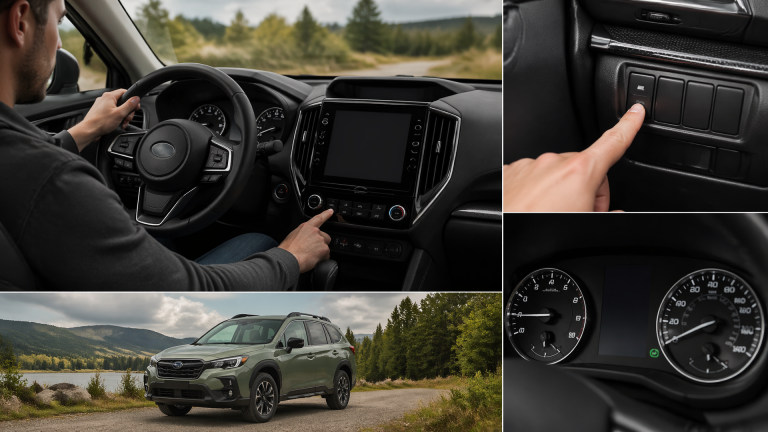
What Does the AVH Button Mean in Your Subaru?
If you’ve ever wondered what that AVH button in your Subaru does, you’re not alone. Many drivers are curious about the features their vehicles offer, and the Automatic Vehicle Hold (AVH) function can be quite handy. It helps you maintain control of your car when you’re stopped, especially in traffic or on inclines. By understanding how AVH works, you can enhance your driving experience and make those daily commutes a bit easier. Let’s dive into the details and explore all the benefits and uses of this feature.
Key Takeaways
AVH (Automatic Vehicle Hold) enhances driving convenience by preventing rollback on inclines and maintaining vehicle position during starts.
The system reduces driver fatigue in stop-and-go traffic and provides smoother control in various driving conditions.
Misconceptions about AVH include the belief that it is only useful in steep hills or that it is a gimmick rather than a legitimate safety feature.
Effective use of AVH involves engaging it in heavy traffic and being familiar with its button location for quick access, while also maintaining safe driving habits.
Understanding the AVH Button
Understanding the AVH button in your Subaru can enhance your driving experience. It’s designed to assist you in various situations, making your time behind the wheel more convenient. Now, let’s delve into the specific points about its function, benefits, activation, and some common misconceptions.
Function of AVH Button
The function of the AVH button in your Subaru helps maintain the vehicle’s position on inclines, so you won’t roll backward. When activated, it keeps the brakes applied for a few seconds after you release the pedal. This gives you time to accelerate without the fear of slipping down the slope. You’ll find it especially useful in hilly areas or during start-stop traffic on an incline. Remember, using the AVH button can enhance your confidence while driving in challenging conditions.
Benefits of Using AVH
Using the AVH feature can make stop-and-go traffic much less stressful for you. You’ll find it helps maintain your vehicle’s position without needing to continuously press the brake pedal. This can reduce fatigue during long commutes or in congested areas. It also allows you to focus more on your surroundings rather than on the brake. Ultimately, you’ll enjoy a smoother and more relaxed driving experience overall.
How to Activate AVH
Activating the AVH button in your Subaru is simple and can be done with just a press of a button when you’re at a complete stop. Once you’ve pressed it, you’ll notice an indicator light on the dashboard confirming it’s engaged. If you need to turn it off, just press the button again. It’s best to remember that AVH functions only when certain conditions are met, like being in gear. Keep in mind, it’s designed to activate automatically if you’re on a slope.
Common AVH Misconceptions
Common misconceptions about the AVH button can lead you to underestimate its importance in ensuring a smoother driving experience. Some folks think it’s only useful for steep hills, but it actually helps in various driving conditions. You might believe that it’s just another gimmick, but it can significantly improve your control. Many don’t realize that it’s designed to prevent roll-back on inclines, which enhances safety. Ignoring its benefits could mean missing out on a more confident driving experience.
How Automatic Vehicle Hold Works
Automatic Vehicle Hold keeps your Subaru stationary without you needing to press the brake pedal. When you come to a complete stop, you can engage the AVH feature easily. Once activated, it’ll hold your vehicle in place, even on inclines. You won’t have to worry about rolling back or forward. To resume driving, just press the accelerator pedal.
If you’re at a stoplight or in traffic, this feature makes things more convenient. It’s especially helpful during long waits or heavy congestion. You can deactivate it by pressing the AVH button again. Your Subaru’s technology ensures a smoother driving experience with this handy feature.
Benefits of Using AVH
Using AVH can significantly enhance your driving experience. You’ll enjoy improved vehicle control, making every journey smoother and safer. Plus, it helps reduce driver fatigue, making those long trips much more manageable.
Improved Vehicle Control
Improved vehicle control means you can navigate tricky roads with confidence and ease. You’ll feel more secure in adverse weather conditions, thanks to enhanced traction. It allows you to react promptly in emergency situations without oversteering. You’re able to make tighter turns without compromising stability. Overall, it leads to a smoother and more enjoyable driving experience.
Enhanced Safety Features
Enhanced safety features in your vehicle can make you feel more secure on the road. They help you respond better to unexpected situations, giving you added confidence. With these features, you’ll notice a reduction in the likelihood of accidents. You’ll also appreciate the peace of mind that comes with advanced technology working to protect you. Overall, these enhancements contribute to a safer driving experience.
Reduced Driver Fatigue
Reduced driver fatigue is something you’ll notice on long trips, as the support provided allows you to stay alert and focused. You’ll find that the AVH feature helps maintain a steady speed, reducing the need for constant acceleration and braking. This makes it easier to relax your grip on the wheel and enjoy the ride. With less strain on your body, you’re likely to arrive at your destination feeling less exhausted. Overall, it contributes to a more enjoyable driving experience.
Ease of Parking Maneuvers
You’ll find that parking maneuvers become much easier with AVH technology. With its automatic features, you won’t have to worry about hitting obstacles. You’ll appreciate how it adjusts the vehicle’s speed and position for you. Parallel parking becomes a breeze, even in tight spots. You’ll feel more confident and in control, making every parking situation less stressful.
When to Use the AVH Feature
The AVH feature is most useful when you’re stopped on a hill and want to prevent your vehicle from rolling backward. You can activate it when you come to a stop at a traffic light on an incline. It’s especially handy in city driving, where you encounter frequent stops. If you’re waiting in line at a drive-thru, you might find it convenient as well. When you’re parked on a steep slope, using AVH can help you safely transition back to driving. You’ll appreciate the extra seconds it gives you to accelerate without worrying about rolling back. If you’re in slippery conditions, engaging the AVH can add a layer of control. It’s a great feature for new drivers still mastering hill starts. Remember to turn it off when you’re back on level ground to resume normal operation.
Differences Between AVH and Traditional Brake Systems
When you compare AVH to traditional brake systems, you’ll notice some key distinctions. The technology behind AVH offers different functionalities that enhance your driving experience. Let’s explore the AVH system overview, traditional brake mechanics, and the key performance differences.
AVH System Overview
AVH systems provide automatic brake control that helps maintain optimal stopping power in various conditions. You’ll find that this system engages when you’re on a slope or in slippery situations. It assists in preventing rollback while ensuring your vehicle remains stationary. With AVH, you can focus on steering without worrying about losing control. This technology enhances overall safety and convenience during your drives.
Traditional Brake Mechanics
Traditional brake mechanics rely on hydraulic systems to create the necessary force for stopping a vehicle. You’ll find that these systems use brake fluid to transmit force from the brake pedal to the brake calipers. When you press the pedal, the hydraulic pressure forces the brake pads against the rotors. This method requires regular maintenance to ensure the fluid’s integrity and the components’ functionality. Over time, wear and tear can affect performance, making it crucial for you to stay on top of brake system care.
Key Performance Differences
Key performance differences between AVH and traditional brake systems can greatly impact your driving safety and efficiency. You’ll find that AVH can provide smoother stopping power, reducing the risk of skidding. Moreover, traditional systems may require more physical effort, while AVH automates the process for you. Also, AVH can help maintain brake pressure on inclines, preventing rollbacks. These distinctions can enhance your overall driving experience, making it safer and more enjoyable.
Common Misconceptions About AVH
There’re a lot of myths swirling around about AVH that can lead to confusion. You might think its functionality is limited, or that its benefits aren’t worth it. It’s important to clear up these misconceptions so you can fully understand how to use AVH effectively.
AVH Functionality Myths
Many people assume that AVH can’t handle complex tasks, but that’s far from the truth. You might think it only works for simple stop-and-go situations, yet it excels in various driving conditions. Some believe it’s just another gimmick, but it actually enhances your control and safety. You may also think it’s difficult to use, but it integrates seamlessly with your driving experience. By dismissing these myths, you can appreciate the full range of AVH’s capabilities.
Misunderstanding AVH Benefits
Understanding the benefits of AVH can significantly enhance your experience and effectiveness in using it. You might underestimate how it can help prevent rollbacks on inclines, making your driving smoother. Many don’t realize that it can boost your confidence when starting on steep terrain. It also aids in maintaining control in slippery conditions, which can be a game changer. Embracing AVH’s advantages can truly transform your driving experience.
AVH Usage Misconceptions
AVH usage misconceptions can make you doubt its effectiveness, but knowing the truth can enhance your experience. You might believe that AVH only works in specific conditions, but that’s not the case. Some think it’s just a fancy feature without real benefits, which couldn’t be further from reality. You may also feel it’s complicated to engage, but it’s designed to be user-friendly. Clearing up these myths can help you take full advantage of what AVH offers.
Tips for Using AVH Effectively
To use AVH effectively, you’ll want to grasp its functionality and how it fits into your driving routine. It’s crucial that you engage and disable AVH properly to enhance your safety on the road. Keeping these tips in mind will help you maintain safe driving habits while using AVH.
Understand AVH Functionality
Knowing how AVH functions can make a significant difference in your driving experience. You’ll find that engaging AVH helps prevent your vehicle from rolling backward on inclines. Disabling it is just as important to regain full control when needed. Familiarizing yourself with the button’s location can save you time in critical situations. Ultimately, understanding AVH can enhance your overall safety on the road.
Engage AVH When Needed
Engaging AVH when you encounter heavy traffic or long stretches of highway can make your driving experience more comfortable. You’ll find it particularly useful during stop-and-go situations. Just remember to disable it when you’re back in normal driving conditions. It’s a handy feature that can reduce fatigue on long drives. Always pay attention to your surroundings while using it for optimal safety.
Disable AVH Properly
Disabling AVH properly ensures you maintain full control of your vehicle when needed. You should always remember to turn it off when you’re on flat surfaces or in tight spots. If you forget to disable it, you might find your vehicle behaving unexpectedly. It’s important that you stay alert and aware of your surroundings while driving. Regularly practicing this will help make it a seamless part of your driving routine.
Maintain Safe Driving Habits
Maintaining safe driving habits ensures you stay alert and aware of your surroundings while on the road. You should always keep your hands on the wheel and your eyes on the road. Avoid distractions like texting or adjusting the radio while driving. It’s important to maintain a safe following distance from the car ahead of you. Regularly checking your mirrors can help you stay aware of other vehicles around you.
Troubleshooting AVH Issues
When you’re facing issues with your AVH system, it can be frustrating. You might not know where to start, but identifying common problems can help simplify the process. Let’s dive into diagnosing and fixing those AVH malfunctions to get you back on track.
Common AVH Problems
Common AVH problems often arise from connectivity issues or software glitches, so you should check those areas first. You might notice that your AVH button isn’t responding as it should, which could indicate a problem. Sometimes, outdated software can lead to unexpected behavior, so keeping your system updated can help. If the system is frequently disconnecting, it could be due to a weak signal or interference. Lastly, ensure that all relevant settings are correctly configured to avoid any unnecessary complications.
Diagnosing AVH Malfunctions
Diagnosing AVH malfunctions often requires you to check for error messages and ensure all connections are secure. You should look for any signs of wear or damage in the wiring. If the system’s not responding, try resetting it by turning the ignition off and on again. You might also want to consult the owner’s manual for specific troubleshooting steps. Lastly, if you’re still having issues, it could be time to seek professional help.
Fixing AVH System Issues
Fixing your AVH system issues often requires a systematic approach to ensure all components are functioning properly. First, you’ll want to check the fuse related to the AVH system to see if it’s blown. Next, inspect the connections and wiring for any visible damage or loose ends. If those seem fine, you might need to reset the system by disconnecting the battery for a few minutes. Finally, consulting your owner’s manual can provide specific troubleshooting steps tailored to your Subaru model.
Frequently Asked Questions
How does the avh system interact with other safety features in my subaru?
The AVH system in your Subaru works in tandem with other safety features to enhance your driving experience. When you engage AVH, it helps prevent your vehicle from rolling backward on inclines, which can be especially useful in hilly areas. This feature often collaborates with the vehicle’s braking system, ensuring a smooth transition when you release the brake pedal. Additionally, the AVH system may interact with the vehicle’s traction control, helping maintain stability on slippery surfaces. You’ll find that these systems collectively provide a safer driving environment by reducing the likelihood of accidents. Overall, the integration of AVH with other safety features makes your Subaru more reliable and user-friendly.
Can i disable the avh feature if i don’t want to use it?
Yes, you can disable the AVH feature if you don’t want to use it. Most Subaru models allow you to turn off this feature through the vehicle’s settings or by pressing the associated button. It’s useful to know that doing so might affect how your vehicle operates in certain driving conditions. If you find it uncomfortable or unnecessary, just remember you have the option to deactivate it. However, keep in mind that using AVH can enhance your control in stop-and-go traffic. Always check your owner’s manual for specific instructions on how to toggle this feature.
Is the avh button available on all subaru models?
The AVH button isn’t available on all Subaru models. It tends to be found in more recent or higher-end models, so you might not see it in older or base versions. If you’re unsure whether your specific model has it, you can always check your owner’s manual or look for the button on your dashboard. It’s a handy feature for certain driving conditions, but it’s not standard across the board. If you’ve got a newer model, there’s a good chance it’s included. Just remember, your experience may vary depending on which Subaru you drive!
If you’re interested in exploring more about your Subaru and its features, I highly recommend checking out this informative page on whether the 2023 Subaru Ascent Premium qualifies for Section 179. It’s a great resource that can help you understand the financial benefits of owning this vehicle. You can navigate here for more details: navigate here.
Explore This Topic
- What Is Avh Auto Vehicle Hold In My Subaru
- What Does Avh Mean In A Subaru Vehicle
- What Does Avh On Subaru Stand For

Greedy Wheels is the founder and lead editor at Wheels Greed. With over 15 years of hands-on automotive experience — from rebuilding engines in a home garage to managing fleet maintenance for a regional logistics company — he brings real-world mechanical knowledge to every guide.
His work has been featured in automotive forums, owner communities, and dealership training materials. When he’s not researching the latest car owner questions, you’ll find him at a local track day, wrenching on his project car, or testing the newest OBD2 diagnostic tools.
At Wheels Greed, every article is reviewed against manufacturer service manuals, NHTSA bulletins, and verified owner reports. No AI-generated fluff. No guesswork. Just practical answers from someone who has turned the wrench.