The Truth About Volvo Maintenance Costs: Are They Really Expensive?
As a proud Volvo owner, I’ve often found myself wondering about the maintenance costs associated with my vehicle. It seems like there’s a lot of chatter out there about whether Volvos are truly expensive to maintain or not. I’ve done my research and discovered some interesting insights into their reliability and longevity. In this article, I’ll share my findings on common maintenance tasks and how they compare to other brands. I’ll also offer tips that have helped me keep my expenses in check while enjoying the benefits of owning a Volvo.

Volvo Maintenance Costs: What the Duplicate Cost Pages Were Really Asking
The repeated Volvo maintenance pages all boiled down to the same owner question: are Volvos actually expensive to maintain compared with other vehicles, and what kinds of costs should buyers expect over time. This page now serves as the main answer for that cluster.
| Maintenance-cost question | Best short answer | Why this page now covers it |
|---|---|---|
| Are Volvo maintenance costs high? | They can run above average, especially as the vehicle ages or repairs become more specialized. | The duplicate pages were all asking the same question with slightly different wording. |
| Are Volvos more expensive to maintain than average? | Often yes, but the real answer depends on model, age, maintenance history, and whether you are comparing Volvo with mainstream or luxury brands. | This is the comparison buyers usually want, not just a vague “expensive or not” answer. |
| What should owners budget for? | Think in terms of routine maintenance, wear items, and the possibility of higher repair bills once complexity increases. | That practical budgeting angle is what turns a traffic page into a useful ownership page. |
How to use this page as an owner or shopper
- Use brand-level cost guidance to set expectations, then switch to model-specific pages if you are close to buying.
- Older Volvos and more complex trims can widen the gap between routine service cost and total ownership cost.
- Maintenance cost and reliability are related, but they are not the same question, so buyers should check both.
Related Volvo cost and reliability guides
- Volvo XC90 reliability and years to watch
- Volvo XC90 maintenance costs and service schedule
- Is a Volvo extended warranty worth it?
- Are Volvo parts expensive?
Understanding Volvo’s Reliability and Longevity
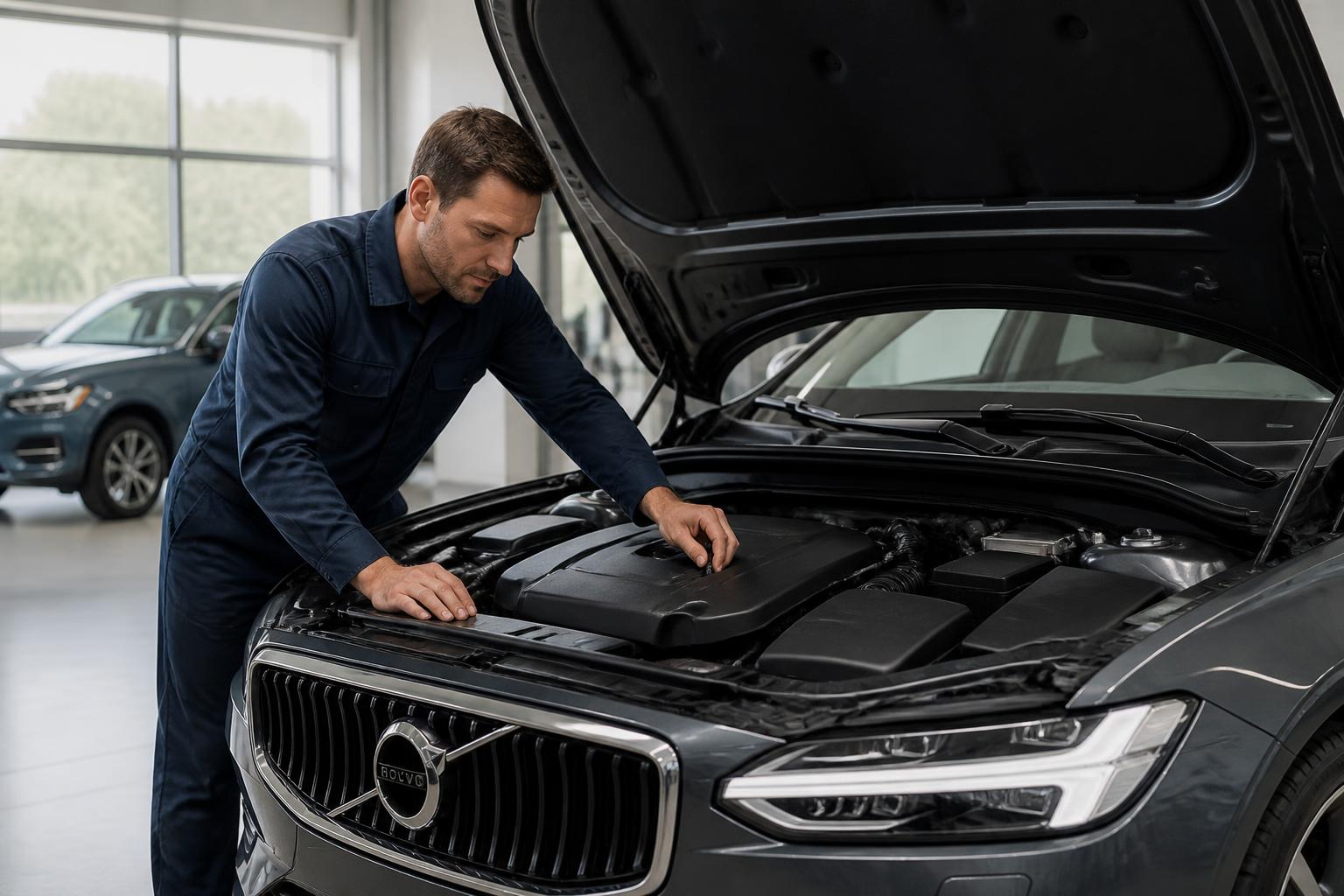
I’ve always found that Volvo cars tend to offer impressive reliability and longevity compared to other brands. When I think about my experiences, I can’t help but recall how my Volvo has rarely let me down. Over the years, I’ve noticed that it requires fewer repairs than many of my friends’ vehicles. I appreciate that the parts seem to hold up well, even after years of use. My regular maintenance schedule often feels more like routine check-ups rather than urgent fixes. I’ve even received compliments from mechanics about the car’s overall condition. It’s reassuring to know that I’m investing in a vehicle that stands the test of time. I’ve come to trust the engineering behind Volvo’s design, which seems to prioritize durability. Ultimately, it feels like I’m getting more value for my money in the long run.
Common Maintenance Tasks for Volvo Owners
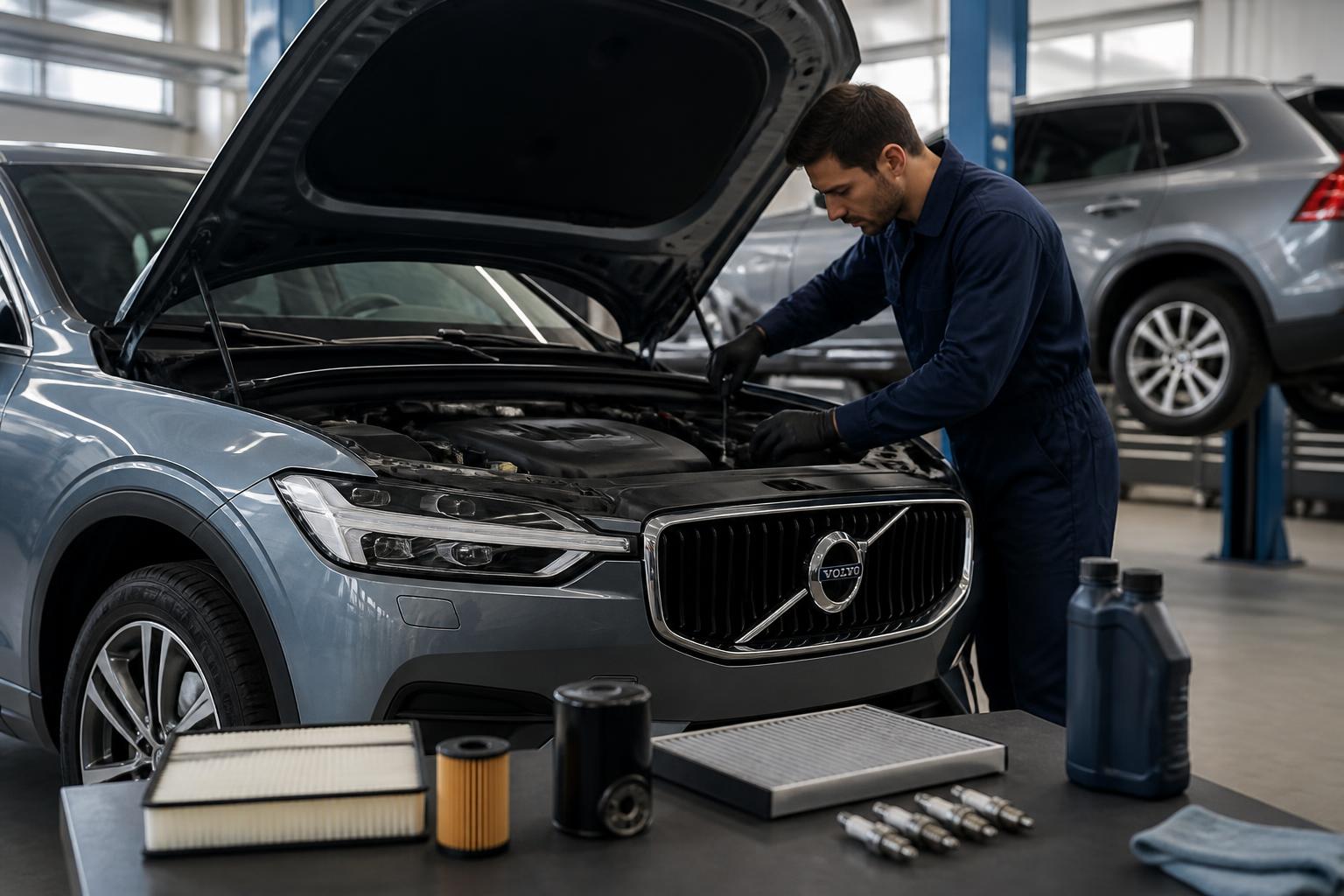
As a Volvo owner, I know that keeping my car in top shape involves a few common maintenance tasks. I’ve found that staying on top of these tasks not only enhances performance but also extends the vehicle’s lifespan. Here are some essential maintenance points I always keep in mind.
Routine Oil Changes
Routine oil changes are crucial for keeping my Volvo running smoothly and efficiently. I typically schedule them every 5,000 miles to ensure everything’s in check. It’s amazing how much better my engine performs when I stick to this routine. I always opt for high-quality oil, knowing it makes a difference in the long run. Skipping these changes is something I just can’t afford to do.
Brake System Maintenance
Brake system maintenance is something I always prioritize to ensure my safety on the road. I check the brake pads regularly and replace them when they start to wear down. I also make sure to inspect the brake fluid level and change it as needed. Keeping an eye on the rotors is crucial, too, so I don’t face any unexpected issues. By staying proactive with my brake system, I can drive with confidence knowing I’m well protected.
Tire Rotation and Replacement
Tire rotation and replacement are crucial for maintaining even wear and ensuring safety on the road. I always make it a point to rotate my tires every 5,000 to 7,500 miles. When it comes to replacement, I check the tread depth regularly to avoid any surprises. I’ve learned that investing in quality tires pays off in the long run. Keeping up with this maintenance helps me enjoy a smoother and safer ride.
Fluid Checks and Top-ups
Fluid checks and top-ups are crucial for ensuring my Volvo runs smoothly and efficiently. I make it a habit to check the oil level regularly to prevent any engine issues. It’s also important for me to monitor the coolant, as it helps in keeping the engine temperature stable. I always keep an eye on the brake fluid, ensuring I have enough for safe stopping power. Lastly, I never forget to check the windshield washer fluid, so I can maintain clear visibility while driving.
Comparing Volvo Maintenance Costs to Other Brands
I’ve noticed that Volvo maintenance costs can be surprisingly competitive when stacked against other luxury brands. When I compare them to BMW or Audi, I find Volvo’s pricing often comes out on top. I’ve seen that routine services, like oil changes and brake replacements, don’t break the bank. It’s refreshing to see that parts are reasonably priced, especially considering the reputation for quality. I can’t help but appreciate how Volvo’s longevity can actually save me money over time.
When I talk to friends with other luxury cars, they often mention their high repair bills. I’ve realized that Volvo’s warranty coverage also plays a key role in minimizing unexpected expenses. It seems like they offer more inclusive service packages compared to some competitors. Overall, I feel confident that Volvo’s maintenance costs are more manageable than I initially thought.
The Impact of Driving Habits on Maintenance Expenses
I’ve noticed that my driving habits can significantly influence my vehicle’s maintenance expenses. Whether I take frequent short trips or drive mostly on highways makes a difference in wear and tear. Additionally, aggressive driving can lead to even higher costs, which is something I’ve learned to consider.
Driving Style Considerations
Adjusting my driving style can lead to improved fuel efficiency and less frequent maintenance. I’ve found that smooth acceleration and braking can make a noticeable difference in how my car performs over time. By avoiding sudden stops and starts, I’m helping to reduce wear on the brakes and other components. Keeping my speed consistent on the highway also seems to contribute to better overall upkeep. It’s clear that my choices behind the wheel can have a big impact on my maintenance costs.
Frequency of Short Trips
Frequent short trips have definitely taken a toll on my car’s overall performance. I’ve noticed that my engine doesn’t warm up properly, which can lead to increased wear over time. The constant stop-and-go traffic has contributed to more brake wear than I anticipated. I’ve also had to deal with more frequent oil changes because the engine isn’t getting a chance to reach its optimal temperature. Overall, I’ve realized that my driving habits are costing me more in maintenance than I thought.
Highway vs. City Driving
City driving tends to put more strain on my car compared to highway driving, leading to higher maintenance costs. I find that stop-and-go traffic really wears down my brakes and tires faster. Plus, the constant idling takes a toll on my engine. On the other hand, highway driving allows my car to run more smoothly for longer periods. I’ve realized that adjusting my driving habits could help lower those expenses over time.
Aggressive Driving Effects
Aggressive driving’s impact on my car’s longevity isn’t something I can ignore. I’ve noticed my tires wear out faster when I’m speeding or making sudden stops. My brake pads seem to need replacing more often, too, which adds to my expenses. The engine also feels strained when I’m constantly accelerating and decelerating aggressively. Overall, I can see how my driving style directly affects my car’s maintenance costs.
Tips for Reducing Volvo Maintenance Costs
I’ve found that sticking to a regular maintenance schedule really helps keep costs down. Plus, I’ve picked up some DIY maintenance tips that make a big difference. Now, let’s dive into those key points.
Regular Maintenance Schedule
A regular maintenance schedule makes it easier for me to avoid unexpected repairs. I’ve noticed that addressing issues early can save me a lot of money in the long run. Keeping track of oil changes and tire rotations has become second nature to me. I feel more confident knowing my Volvo is in good shape and running smoothly. Overall, I’m convinced that consistency in maintenance is the key to reducing costs.
DIY Maintenance Tips
Finding simple DIY maintenance tips has really helped me save time and money on my Volvo. I’ve learned how to change the oil and replace air filters myself, which cuts down on labor costs. I also keep an eye on my tire pressure and tread wear, ensuring I stay safe and avoid unnecessary replacements. Cleaning the battery terminals and checking fluid levels regularly has become part of my routine. These small tasks have made a noticeable difference in my overall maintenance expenses.
Frequently Asked Questions
What are the most common misconceptions about volvo maintenance costs?
When it comes to Volvo maintenance costs, I think a lot of people assume they’re much higher than they actually are. Many believe that owning a luxury brand automatically means frequent and costly repairs, but that’s not always the case. I’ve found that regular maintenance can be quite reasonable, especially when you consider the longevity and reliability of the vehicles. Plus, there’s often a misconception that parts are overly expensive, but I’ve seen competitive pricing for aftermarket options.
How do volvo warranty options affect maintenance expenses?
When I think about how Volvo warranty options affect maintenance expenses, I realize they can really make a difference. With a comprehensive warranty, I’m often covered for many repairs, which helps keep my out-of-pocket costs down. It’s nice knowing that I won’t have to worry about unexpected expenses as much, especially in the early years of ownership. Overall, having a solid warranty can ease my mind and potentially save me money in the long run.
Are there specific models that are more expensive to maintain than others?
I’ve noticed that some Volvo models can be more expensive to maintain than others. For instance, higher-end models like the XC90 often come with pricier parts and services, which can add up quickly. On the other hand, more basic models like the V60 tend to have lower maintenance costs overall. It’s definitely worth considering the specific model when thinking about long-term expenses.
Conclusion
In the end, I’ve realized that owning a Volvo doesn’t have to break the bank when it comes to maintenance. Their reputation for reliability truly stands out, and regular upkeep can save a lot in the long run. I find that the cost of routine services is fairly reasonable, especially when compared to other luxury brands. Plus, with the option of aftermarket parts and comprehensive warranties, it feels like there’s a safety net for any unexpected issues. Overall, I’m convinced that Volvos offer great value and peace of mind for drivers like me.
If you’re exploring maintenance costs for vehicles like Volvo, you might also be interested in practical tips for other car models. For instance, if you own a BMW X3 and are curious about starting it with a key fob, check out this helpful guide: how to start bmw x3 with key fob. It’s a great resource to enhance your experience with your vehicle!
Explore This Topic

Greedy Wheels is the founder and lead editor at Wheels Greed. With over 15 years of hands-on automotive experience — from rebuilding engines in a home garage to managing fleet maintenance for a regional logistics company — he brings real-world mechanical knowledge to every guide.
His work has been featured in automotive forums, owner communities, and dealership training materials. When he’s not researching the latest car owner questions, you’ll find him at a local track day, wrenching on his project car, or testing the newest OBD2 diagnostic tools.
At Wheels Greed, every article is reviewed against manufacturer service manuals, NHTSA bulletins, and verified owner reports. No AI-generated fluff. No guesswork. Just practical answers from someone who has turned the wrench.