| | | | | | | | |

Opening Your Subaru Key Fob: Step-by-Step

If you’ve ever found yourself struggling with a dead battery in your Subaru key fob, you know how frustrating it can be. I’ve been there, and that’s why I’m here to share a step-by-step guide to help you open your key fob with ease. I’ll walk you through the tools you’ll need and how to identify your specific key fob model. Once you’re prepared, I’ll show you how to gently open it, replace the battery, and get everything back together. By the end, you’ll be ready to get back on the road without any hassle!

How to Open a Subaru Key Fob Without Damaging It

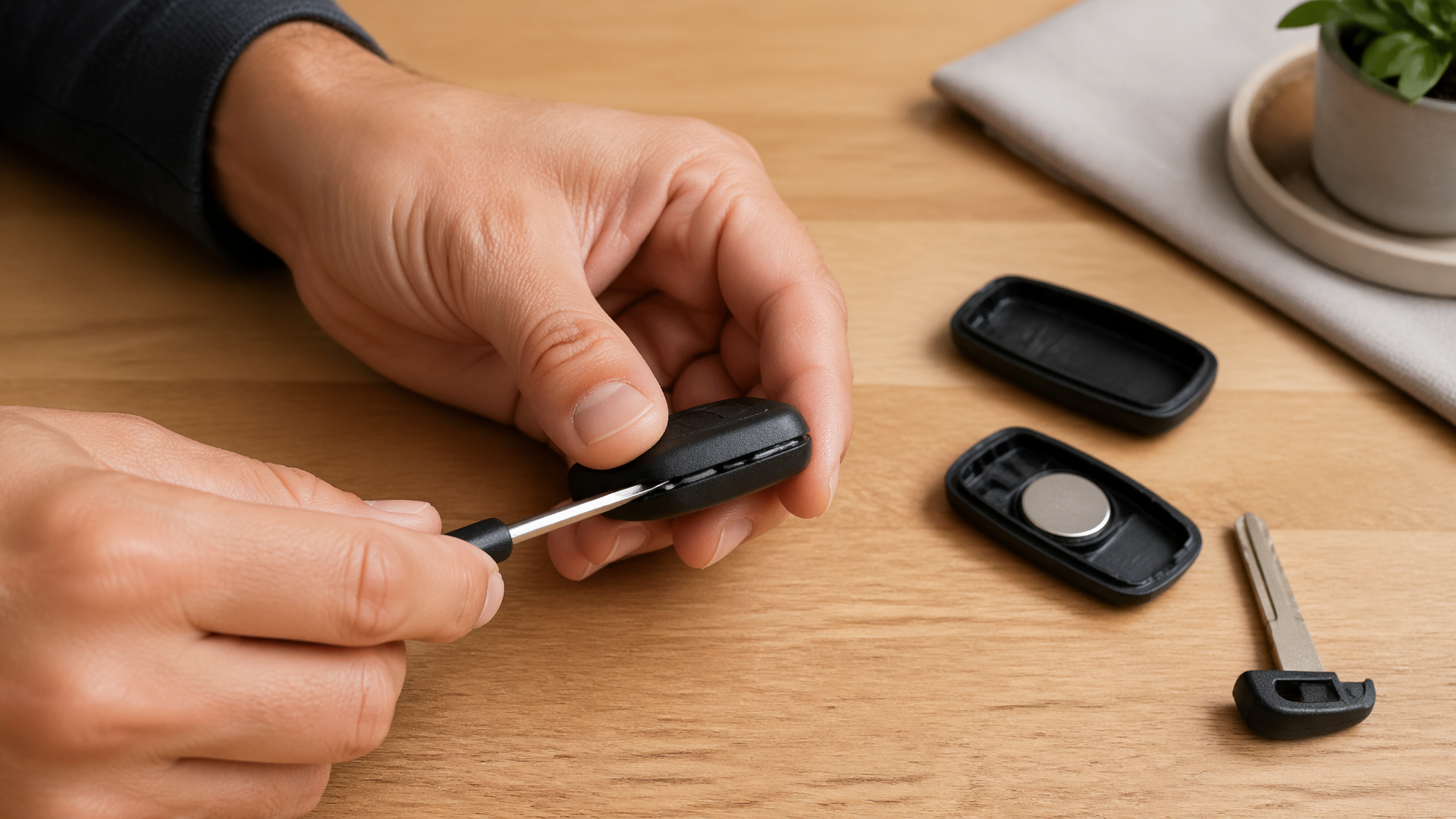
The duplicate Subaru opening pages were all answering the same concern: where to pry, how much force to use, and how to avoid cracking the shell just to reach the battery. The safe approach is simple but worth spelling out clearly.

Opening step Best practice Common mistake
Start point Use the seam near the emergency key area when possible Prying randomly at the glossy outer edge.
Tool choice Use a plastic pry tool or a carefully wrapped flathead Twisting a bare metal tool too deep into the shell.
Case separation Work around the seam slowly in sections Trying to pop the entire shell from one corner.

After you get the shell open

If your real goal is the battery swap, move straight to the replacement steps on our Subaru key fob battery guide. This page is really about the shell-opening part, which is why it stays separate from battery-size or emergency-start content.


Related Opening Key Fob Guides

Key Takeaways

Ensure you have the right tools and safety precautions in place before starting the process.
Identify your specific key fob model for compatibility and locate the seam for opening.
Handle components gently while maintaining a clean workspace to avoid damage and loss.
Test functionality after reassembly, and perform regular maintenance to prolong the key fob’s lifespan.

Choosing the Right Tools

When I’m getting ready to open my Subaru key fob, I know that having the right tools is crucial. I’ve found that the right equipment can make the process smoother and more efficient. So, let’s dive into the essential tools needed, along with some recommended brands and important safety precautions.

Essential Tools Needed

I’ve discovered that having a small flathead screwdriver and a pair of tweezers are essential for getting into my Subaru key fob. These tools help me easily pry open the casing without damaging it. I also like to keep a soft cloth handy to avoid scratching any surfaces. Sometimes, a small flashlight comes in handy to see the tiny components inside. Now that I’ve got the tools sorted, let’s look at some recommended brands that can make this process even easier.

Recommended Tool Brands

Some of my favorite tool brands for working on key fobs include Craftsman and Klein, as they’re reliable and durable. I also like using Stanley tools for their precision and comfort. For any electronic components, I trust Wera for their quality screwdrivers. When it comes to safety gear, I often reach for 3M products to ensure I’m protected. Having these brands on hand makes my key fob projects much easier.

Safety Precautions to Follow

Safety precautions are something I always prioritize to avoid any accidents while working on my Subaru key fob. I make sure to work in a well-lit area to spot any small parts that might fall. I always wear safety glasses to protect my eyes from any unexpected debris. I also keep a clean workspace to minimize the risk of losing components. Lastly, I disconnect the battery before starting to prevent any electrical issues.

Identifying Your Key Fob Model

I’ve realized that identifying my key fob model is crucial for the next steps. It helps me understand the common Subaru key fobs and their differences. With that in mind, I can easily check my model identification.

Common Subaru Key Fobs

Common Subaru key fobs come in various designs and functionalities, making it essential for me to recognize which one I’ve got. I’ve noticed some have a simple lock and unlock feature, while others include a panic button and remote start. It’s interesting how different models may even have distinct shapes and button layouts. I often find myself comparing my fob with others to identify the exact version I possess. Understanding these differences will help me navigate the next section about key fob model differences.

Key Fob Model Differences

Understanding the differences between key fob models helps me choose the right one for my needs. I’ve noticed that some models have more features, like remote start or keyless entry. It’s also clear that the size and shape can vary significantly between them. I find that knowing the specific model helps with compatibility when replacing batteries. Lastly, I’ve learned that some fobs require different methods to open them, which is important to remember.

Checking Model Identification

Checking my key fob model identification isn’t as complicated as it seems. I just need to locate the model number on the back of the fob. Once I find it, I can compare it to the lists online to verify its compatibility. This step saves me time and frustration later on. Now that I’ve identified my model, I’m ready to move on to preparing for the opening process.

Preparing for the Opening Process

I’ve got to make sure I have everything I need before diving into the opening process. It’s essential to check the battery status and identify my key fob type to ensure a smooth experience. Plus, I can’t forget to follow some safety precautions to keep things safe and easy.

Tools You Will Need

The essential tools I’ll need include a screwdriver, a wrench, and a flashlight for visibility. I’ll also grab a pair of tweezers to help with any small parts. It’s smart to have a soft cloth handy to protect the key fob’s surface while I work. I might even consider using a small bowl to keep screws and parts organized. Lastly, I’ll need a replacement battery just in case I need to swap it out.

Checking the Battery Status

Battery status is something I need to verify before starting the process. I’ve learned that a low battery can cause issues when trying to open the key fob. I always check for any signs of battery drain, like a weak signal or delayed response. If the battery’s low, I’ll replace it before proceeding. This way, I can avoid any interruptions while opening my Subaru key fob.

Identifying Key Fob Type

Identifying my key fob type is crucial for ensuring compatibility with my vehicle’s system. I’ve got to look for any model numbers or markings on the fob itself. It’s often helpful to consult my owner’s manual for specific details. Sometimes, I can also find useful information online that matches my car’s make and model. Once I know the type, I can confidently proceed with opening the key fob.

Safety Precautions to Follow

Safety precautions are something I always prioritize to ensure everything goes smoothly. I make sure I’m in a well-lit area to avoid any accidents. It’s important for me to keep my tools organized to prevent any mishaps. I also double-check that I’m not near any moving vehicles while I’m working. Lastly, I wear gloves to protect my hands from any sharp edges.

Finding the Seam of the Key Fob

I’ve got to focus on locating the seam of the key fob first. It’s essential to have the right tools on hand for identifying that seam. Once I find it, I can move on to the next steps in the process.

Locating the Key Fob Seam

Finding the seam of the key fob can be tricky, but I know it’s crucial for getting inside. I’ve got to run my fingers along the edges to feel for that subtle line. Sometimes, it’s hard to tell if I’m feeling a seam or just a groove. I’ll need to stay patient and keep looking closely, as it’s often not very visible. Once I’ve pinpointed the seam, I’ll be ready to grab the tools that’ll help me open it up.

Tools for Seam Identification

The right tools can make it so much easier to spot the seam on the key fob. I’ve found that a flashlight really helps illuminate the area for a better view. A thin flathead screwdriver is perfect for gently prying apart the fob once I locate the seam. I also like to use a magnifying glass to get a closer look at any tiny details. With these tools, I can confidently identify the seam and proceed with opening the fob.

Gently Opening the Key Fob

Now that I’ve located the seam of my key fob, I’m ready to gently open it. I’ll need to gather a few tools to ensure I do this without causing any damage. With careful handling techniques, I can proceed with confidence.

Tools Needed for Opening

Essential tools for opening my key fob include a small flathead screwdriver and a soft cloth to prevent scratches. I’ve also found that a pair of tweezers can be handy for delicate components inside. A flashlight helps me see the tiny parts clearly when I’m working. Having a clean workspace is important, so I usually lay out a soft mat. With these tools in hand, I’m ready to start the process.

Careful Handling Techniques

Careful handling techniques are crucial for preventing any damage to my key fob during the opening process. I always make sure to work in a well-lit area to see the seams clearly. Using a soft cloth underneath helps to avoid scratches on the surface. I’ve learned to apply gentle pressure when prying it open to avoid breaking any clips. Finally, I keep my tools steady and close at hand to maintain control throughout the process.

Replacing the Battery

Now that I’ve gently opened the key fob, it’s time to focus on replacing the battery. I’ll need to know the battery type required and follow the replacement process overview. Let’s dive into the specifics.

Battery Type Required

I’ve found that the key fob requires a CR2032 battery for replacement. This small coin cell battery is easy to find at most stores. I usually keep a spare on hand just in case. Once I have the new battery, I can proceed with the installation. It’s a simple process that’ll get my key fob working again in no time.

Replacement Process Overview

The replacement process overview includes identifying the correct battery type and ensuring proper alignment during installation. I’ve got to make sure I’m using the right tools to avoid any damage. Once I’ve inserted the new battery, I’ll check that it’s seated properly in its compartment. I always pay attention to the orientation of the battery to ensure functionality. Now, I’ll move on to reassembling the key fob.

Reassembling the Key Fob

Now that I’ve replaced the battery, it’s time to reassemble the key fob. I’ll start by aligning the key components carefully and making sure everything fits snugly. Once that’s done, I can secure the battery cover and move on to testing the button functionality.

Aligning the Key Components

Aligning the key components is crucial for ensuring that the fob functions properly once it’s reassembled. I’ve got to make sure each piece fits perfectly into its designated spot. If I rush this step, I might end up with a malfunctioning key fob. I’ll double-check that everything is aligned before proceeding. Once I’m satisfied, I can move on to securing the battery cover.

Securing the Battery Cover

Securing the battery cover is crucial to ensure everything stays in place while using the key fob. I make sure to press down firmly on the cover until I hear a click, indicating it’s locked in. It’s essential to check that there are no gaps or loose edges, as that could lead to issues later. After I’ve confirmed it’s secure, I can finally breathe easy knowing the components are protected. Now, I’m ready to move on to testing the button functionality.

Testing Button Functionality

Testing the button functionality will reveal if the reassembly was successful. I’ll press each button to ensure they all respond properly. If any buttons don’t work, I know I’ll need to open it up again. I’m looking for a quick reaction without any sticky resistance. Once I’ve confirmed everything’s functioning, I can move on to the final assembly check.

Final Assembly Check

I’m going to do a final assembly check to ensure everything’s in place before using the key fob. I’ll run my fingers along the edges to confirm there are no gaps. Next, I’ll press down on the battery cover to make sure it’s secure. I’ll also double-check that the buttons are seated properly and move freely. Finally, I’ll give it a little shake to see if anything rattles inside.

Testing Functionality

Now that I’ve reassembled the key fob, I need to make sure everything’s working properly. It’s crucial to test the functionality before relying on it again. Let’s dive into the specific points to check.

Check Battery Status

The battery status is something I’ve got to check to ensure it’s fully charged. I can’t afford to be caught off guard by a dead battery. I’ll pop off the back cover and take a look at the battery itself. If it looks worn or depleted, I’ll replace it right away. After that, I need to verify button responses to confirm everything’s functioning as it should.

Verify Button Responses

Verifying the button responses is essential to ensure each function activates as expected. I press each button on the key fob one by one, noting their reactions. I pay close attention to the locks and unlocks, making sure they respond without delay. I also check the panic button, listening for the audible alert. If everything works smoothly, I can feel confident that the key fob is ready for use.

Inspect Key Fob Circuit

Inspecting the key fob circuit reveals whether any connections might’ve been compromised during reassembly. I carefully examine the solder points for any signs of damage. I’m looking for loose wires or corrosion that could affect functionality. If everything seems intact, I’ll move on to the next step of testing. It’s essential to ensure everything’s in working order before relying on my key fob again.

Maintaining Your Key Fob

I know how important it is to keep my key fob in good condition for reliable access to my Subaru. By taking a few simple steps, I can ensure its longevity and functionality. Let’s dive into some key points on battery replacement tips, cleaning and care, and troubleshooting common issues.

Battery Replacement Tips

Replacing the battery in my key fob is something I’ve learned to do myself to avoid any unexpected issues. I always make sure to use the correct battery type for my Subaru model. When I open the fob, I handle it gently to avoid damaging any internal components. After replacing the battery, I test the fob to ensure it’s working properly. Now that I’ve got the battery sorted, it’s also important to consider regular cleaning and care to keep it in top shape.

Cleaning and Care

Keeping my key fob clean is essential for maintaining its performance and appearance. I regularly wipe it down with a soft cloth to remove dirt and grime. I avoid using harsh chemicals that could damage the surface. I also make sure to clean the buttons to prevent them from sticking. By taking these simple steps, I can keep my key fob looking and working great.

Troubleshooting Common Issues

Identifying the common issues with my key fob can save me time and frustration down the road. Sometimes, it won’t respond when I press the buttons, which usually means the battery’s dying. If I notice the range is shorter than usual, it might be time to replace the battery. I’ve also experienced instances where the key fob gets stuck and won’t open, often due to dirt buildup. Keeping an eye on these issues helps me maintain my key fob’s performance.

Conclusion

In summary, I’ve learned that opening my Subaru key fob can be a straightforward process with the right tools and approach. By identifying my key fob model and carefully locating the seam, I can avoid unnecessary damage. Replacing the battery is manageable as long as I follow the steps and ensure everything is aligned during reassembly. Testing the functionality afterward gives me peace of mind that everything is working well. Overall, keeping up with regular maintenance will help me avoid any future issues.

If you’re looking for helpful tips on accessing your vehicle when faced with a dead battery, I highly recommend checking out this informative guide on how to open a Cadillac Escalade. It provides clear, step-by-step instructions that can save you time and frustration. You can read the full article here.

Don’t miss these tips!

We don’t spam! Read our privacy policy for more info.

Similar Posts
