Kia Drive Modes Explained: What Does Smart Mode Actually Do?
Kia’s drive modes allow you to tailor your vehicle’s performance to your driving style and conditions, with Smart mode acting as an adaptive system. When you select Smart mode, your Kia intelligently adjusts engine response, transmission shifts, steering feel, and even climate control to optimize for either fuel efficiency or a more engaging drive based on your current driving habits. You’ll typically notice the difference most during acceleration and deceleration, where the car might feel more responsive or smoother depending on its learned behavior. However, it’s important to understand that drive modes are designed to enhance the existing capabilities of your vehicle, not to fix underlying mechanical issues.
Understanding Kia’s Drive Mode Options
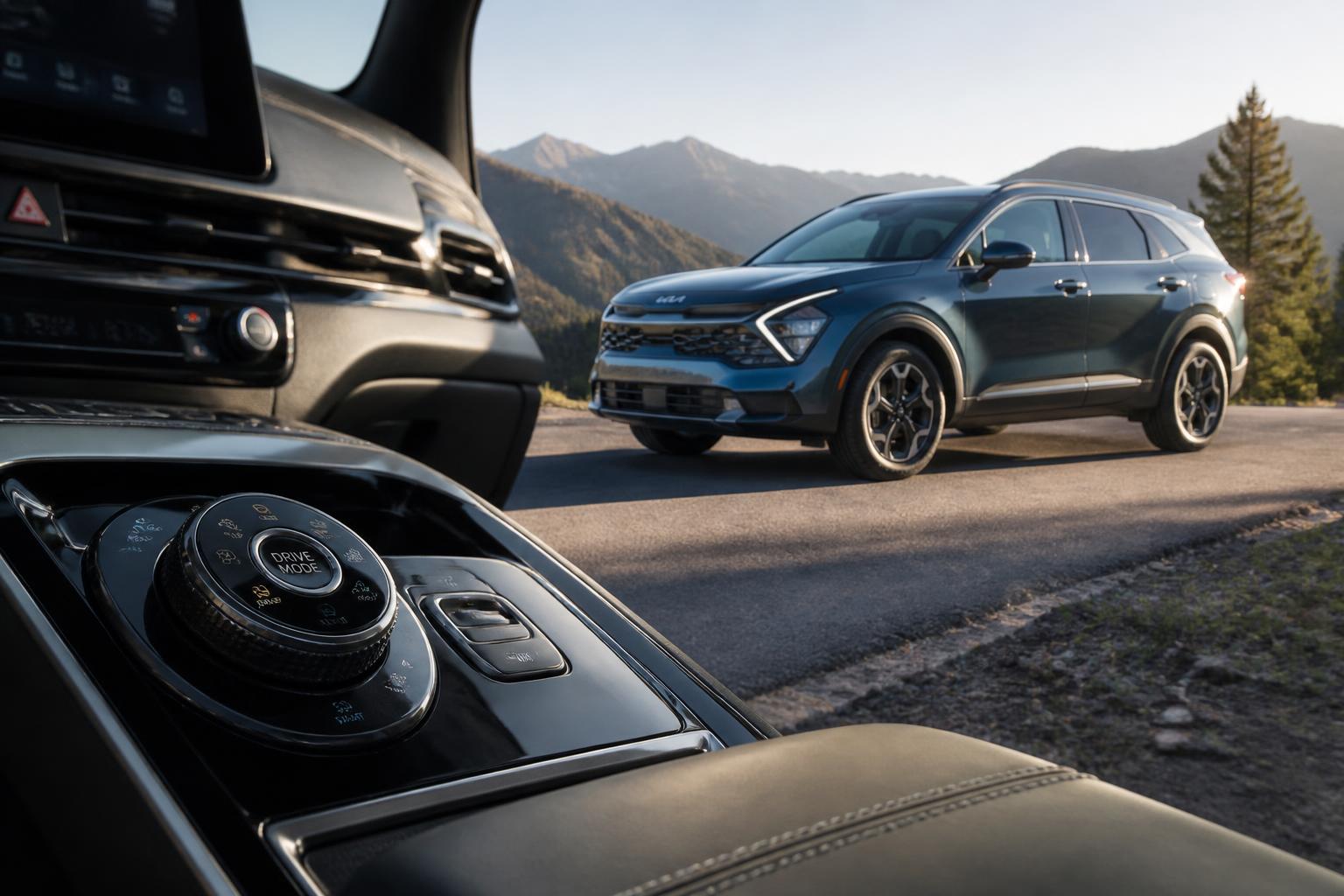
Kia vehicles often offer several distinct drive modes, each with a specific purpose:
- ECO Mode: This mode prioritizes fuel efficiency. It softens throttle response, adjusts transmission shift points to keep the engine RPM lower, and can limit climate control power to reduce the load on the engine. Acceleration will feel noticeably less urgent, and the goal is to maximize miles per gallon.
- COMFORT Mode: Designed for a smooth and relaxed driving experience, COMFORT mode offers a balanced approach. Throttle response is moderate, steering feels lighter, and the transmission shifts smoothly. This is a good all-around setting for daily commuting and general driving.
- SPORT Mode: This mode sharpens the vehicle’s responses for a more dynamic and engaging drive. Throttle response becomes more immediate, the transmission holds gears longer for quicker acceleration, and steering often feels heavier and more direct. It prioritizes performance over fuel economy.
- SMART Mode: As the adaptive option, Smart mode analyzes your driving inputs. If you’re accelerating aggressively, it will lean towards Sport-like settings. If you’re driving smoothly and gently, it will shift towards ECO or COMFORT characteristics. It aims to provide the appropriate response without requiring manual mode changes.
How Smart Mode Learns and Adapts
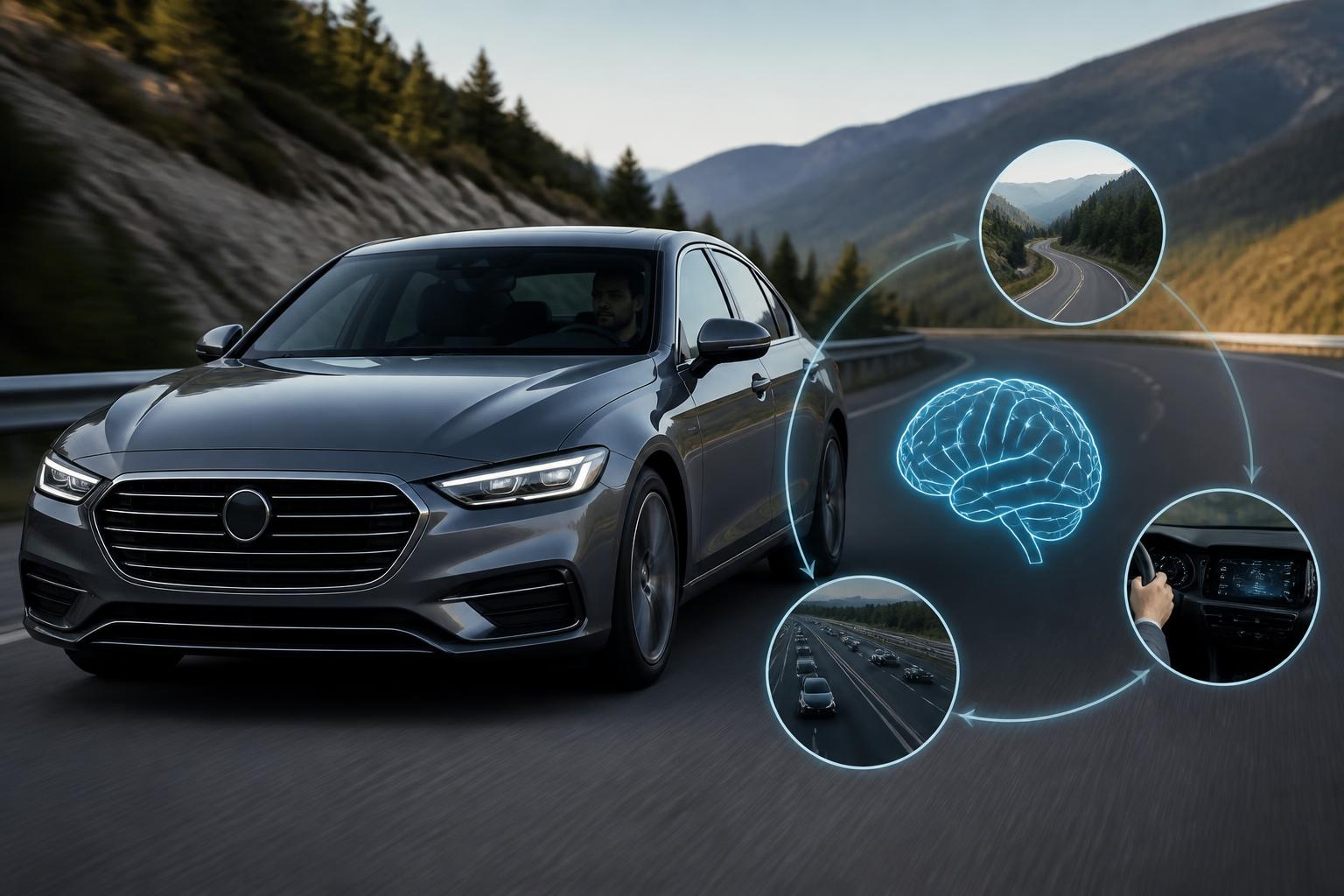
Smart mode works by monitoring a variety of driver inputs in real-time. This includes how hard you press the accelerator pedal, how quickly you brake, and even how you steer. For example, if you consistently accelerate gently from a stoplight, Smart mode will recognize this as a preference for efficiency and adjust the powertrain to deliver smoother, more economical acceleration. Conversely, if you frequently find yourself accelerating briskly or taking corners with more enthusiasm, Smart mode will adapt to provide a more responsive engine and firmer steering feel to match. The system is designed to be subtle, so you might not consciously notice it switching, but rather experience a consistent feeling that matches your typical driving style.
When You’ll Notice the Difference in Smart Mode
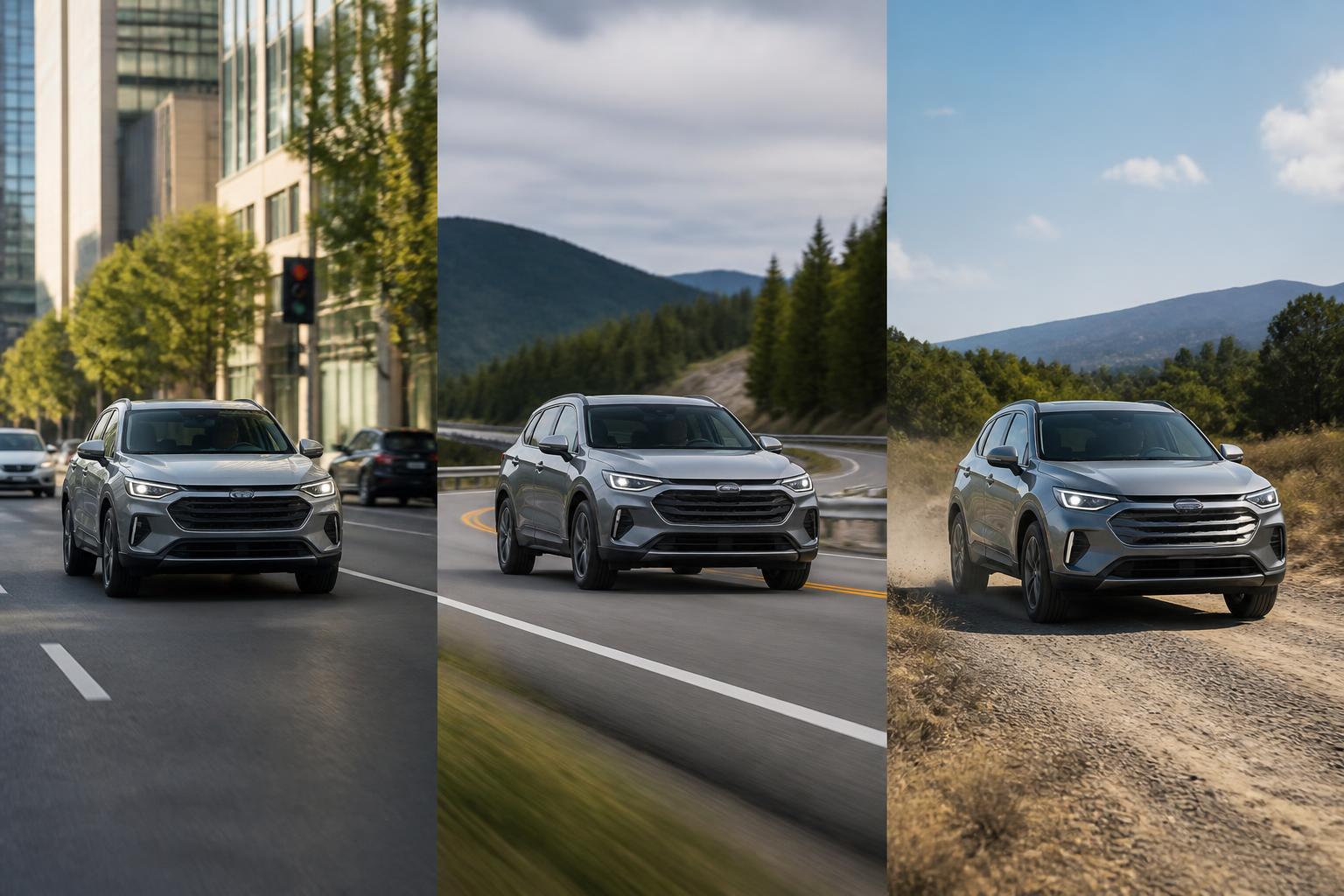
The most apparent changes in Smart mode occur during transitions. When accelerating from a standstill, you might feel a difference in how quickly the vehicle responds compared to ECO mode. During steady cruising, the difference might be less pronounced, as the system aims for efficiency. If you suddenly need to accelerate to merge into traffic or overtake, Smart mode should quickly adjust to provide the necessary power. Similarly, if you begin driving more aggressively, the steering might feel a bit heavier, and the transmission might downshift to a lower gear to keep the engine in its power band. The effectiveness of Smart mode is most noticeable when there’s a clear and consistent pattern in your driving habits.
Smart Mode vs. Manual Mode Selection: Choosing Your Experience
While Smart mode aims to automate the driving experience, manually selecting ECO, COMFORT, or SPORT modes offers direct control. If you know you want to maximize fuel economy for a long highway drive, selecting ECO mode is the most straightforward approach, guaranteeing consistent efficiency. If you’re heading out for a spirited drive on winding roads and want consistent sporty performance, selecting SPORT mode ensures the vehicle stays in that configuration without the possibility of it adapting to a more relaxed setting. Smart mode is best for drivers who appreciate an adaptive system that tries to anticipate their needs without constant manual intervention, but it may not satisfy those who prefer a fixed driving characteristic.
Limitations and When Drive Mode Changes Won’t Solve a Problem
It’s crucial to understand that Kia’s drive modes are designed to alter the feel and responsiveness of a healthy vehicle. They do not fix mechanical faults. If you are experiencing issues such as hesitation during acceleration, rough idling, unusual noises, or a Check Engine Light illumination, selecting a different drive mode will not resolve the underlying problem. These symptoms often point to more serious mechanical or electrical issues, like problems with the fuel system, ignition, or sensors, which require professional diagnosis and repair.
Simple Guidance for Using Drive Modes
For most owners, the simplest approach is to use the mode that best suits your current driving needs:
- For everyday commuting and maximizing fuel: Use ECO or Smart mode.
- For a comfortable, balanced ride: Use COMFORT mode.
- For a more engaging or sporty experience: Use SPORT mode.
Experiment with each mode to see how your Kia responds and which one you prefer in different situations. Smart mode is designed to be a convenient, set-it-and-forget-it option for many drivers, but don’t hesitate to switch to a manual mode if you have a specific driving goal in mind.
Verifying Drive Mode Settings
To confirm which drive mode is currently active on your Kia, look for an indicator light on your dashboard or center console, typically near the gear shifter or on the instrument cluster. The selected mode (e.g., ECO, COMFORT, SPORT, or SMART) will be illuminated. If you are in SMART mode and wish to confirm its adaptive behavior, observe how the vehicle responds to your driving inputs; a sudden change in acceleration feel or steering weight can indicate the system is adjusting.
Frequently Asked Questions About Kia Drive Modes
Does Smart Mode affect my fuel economy?
Yes, Smart mode can influence your fuel economy. It will lean towards more fuel-efficient settings when it detects smooth, gentle driving inputs, and it will prioritize performance when you drive more aggressively.
Can I feel the difference between COMFORT and SMART modes?
You might feel a difference, especially if your driving style is consistent. COMFORT mode offers a predictable, smooth ride, while SMART mode will adapt. If you drive very consistently, SMART mode might feel similar to COMFORT. If your driving varies, SMART mode will feel different as it adjusts.
Will changing drive modes void my warranty?
No, using the selectable drive modes as intended by the manufacturer will not void your vehicle’s warranty. These are designed features of the car.
Is there a way to see what Smart Mode is doing?
Some Kia models may display a subtle indicator or change the dashboard theme when Smart mode is actively adapting towards a more Sporty or ECO feel, but often the changes are designed to be seamless and not require constant driver attention. Check your infotainment system or instrument cluster for any available visual cues.

Greedy Wheels is the founder and lead editor at Wheels Greed. With over 15 years of hands-on automotive experience — from rebuilding engines in a home garage to managing fleet maintenance for a regional logistics company — he brings real-world mechanical knowledge to every guide.
His work has been featured in automotive forums, owner communities, and dealership training materials. When he’s not researching the latest car owner questions, you’ll find him at a local track day, wrenching on his project car, or testing the newest OBD2 diagnostic tools.
At Wheels Greed, every article is reviewed against manufacturer service manuals, NHTSA bulletins, and verified owner reports. No AI-generated fluff. No guesswork. Just practical answers from someone who has turned the wrench.