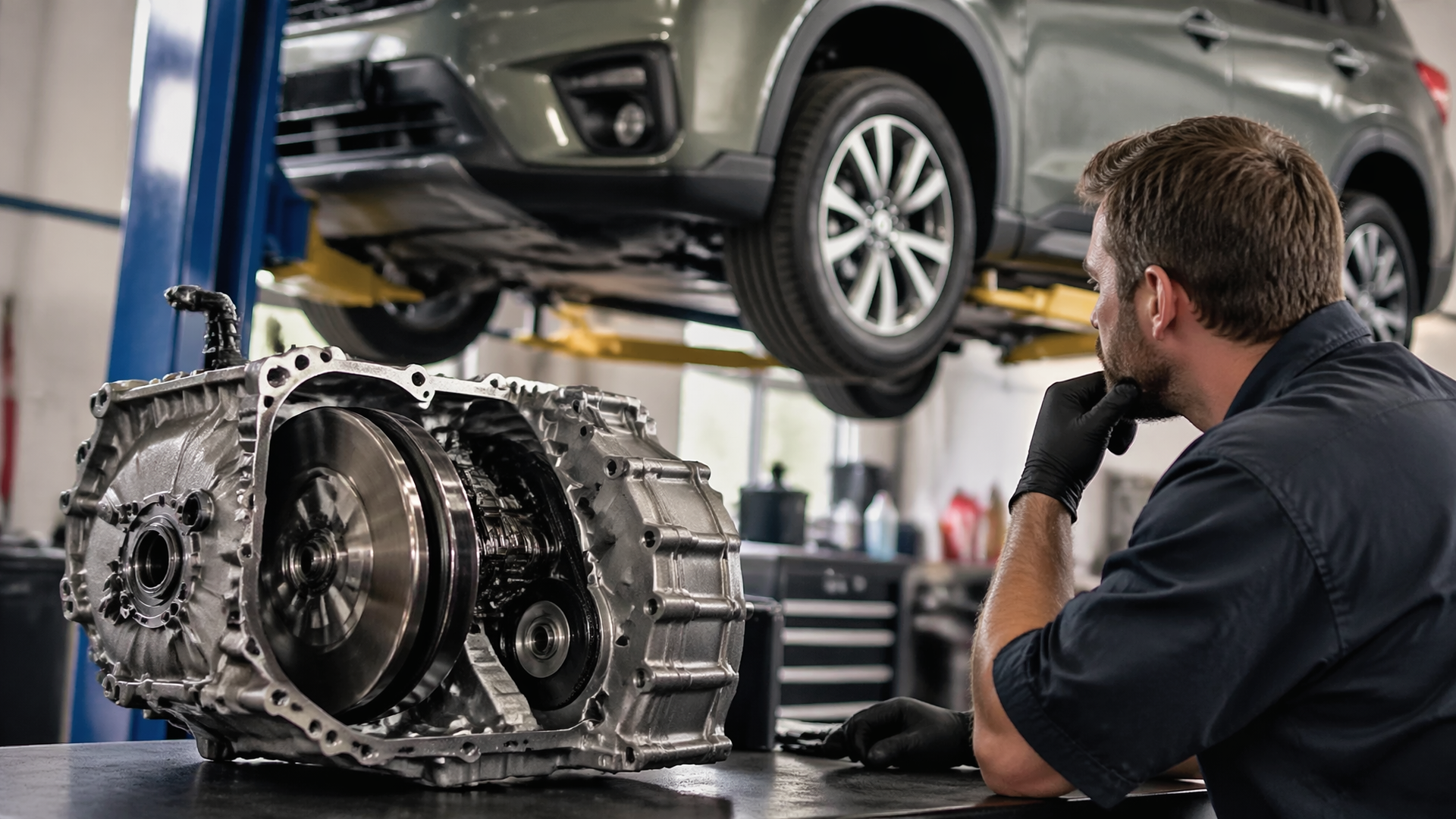
Subaru CVT Problems: Are Newer Models Fixed?
Subaru’s Continuously Variable Transmissions (CVTs) have been a point of concern for many owners due to past reliability issues. While Subaru has implemented updates and revisions, the question of whether newer models have fully resolved these CVT transmission problems remains complex. While significant improvements have been made, leading to fewer widespread issues in recent years, it’s not entirely accurate to say all problems are fixed across the board. Some model years and specific vehicles may still experience occasional concerns, though generally less severe than in earlier generations.
A Look Back at Subaru CVT Issues
Subaru began incorporating CVTs, branded as Lineartronic, into their vehicle lineup around the late 2000s and early 2010s. During this period, many owners reported a range of troubling symptoms. These commonly included transmission hesitation, jerky acceleration, overheating, and in some unfortunate cases, premature transmission failure. These issues often resulted in substantial repair bills and a dip in owner satisfaction. In response, Subaru has released various software updates and made hardware adjustments to mitigate these problems over time.
Signs to Watch for in Newer Transmissions
Although Subaru has not issued a blanket recall for all CVT-related complaints, they have addressed certain known issues and, in some instances, extended warranty coverage for specific models. For Subaru vehicles manufactured from the mid-2010s onward, the general performance and reliability of the CVT have seen notable improvements. Nevertheless, vigilance is key. Owners should remain aware of potential warning indicators that could signal an impending CVT issue. These can include:
- Delayed Acceleration: A noticeable lag between pressing the accelerator and the vehicle responding.
- Rough Transitions: Instead of smooth gear changes, you might feel jolts or unevenness.
- Unusual Noises: Whining, groaning, or humming sounds originating from the transmission area, particularly during acceleration or at consistent speeds.
- Overheating Alerts: The vehicle’s dashboard may display a warning light indicating the transmission fluid is too hot.
- Fluid Leaks: The presence of transmission fluid spots under the vehicle.
Model Year Variations and Common Concerns
The prevalence and nature of Subaru CVT problems have varied considerably depending on the specific model year and vehicle. Generally, earlier models, roughly from 2010 to 2015, have been more frequently associated with significant transmission failures. Subaru has actively worked to improve these transmissions through software enhancements and component revisions in subsequent model years.
However, even newer Subarus can encounter issues, though they tend to be less common or manifest differently. Some owners of later models have reported instances of torque converter shudder or occasional hesitation during operation. Researching the specific model year you are interested in is always recommended, as owner forums and reviews can offer valuable insights into reported experiences.
When to Get a Professional CVT Inspection
If you notice any of the symptoms described above in your Subaru, it is crucial to have the CVT inspected by a qualified mechanic. Delaying diagnosis and repair can lead to more extensive damage and significantly higher costs. A technician can scan for diagnostic trouble codes, examine the transmission fluid for signs of wear or contamination, and conduct a test drive to evaluate the transmission’s performance firsthand. In some situations, a simple software update from Subaru may resolve minor performance glitches. However, if mechanical wear or failure is suspected, more involved repairs or a complete transmission replacement might be necessary.
What to Do If You Suspect a CVT Issue
If you’re experiencing any of the symptoms, the first step is to schedule an appointment with a Subaru dealership or a trusted independent mechanic specializing in Subarus. They can perform a diagnostic scan and a physical inspection.
If the diagnostic scan reveals specific error codes related to the transmission control module or sensor readings, this often points to an electrical or control system issue that might be addressed with a software update or sensor replacement.
If the fluid is low, dark, or contains metal shavings, this typically indicates internal wear or a leak, requiring a more in-depth mechanical repair or potential replacement.
Verification of a Fix:
After a repair or software update, the best way to verify the fix is to drive the vehicle under the conditions where the problem was most apparent. For example, if hesitation was an issue, test acceleration from a stop and at various speeds. Listen for unusual noises and feel for smooth operation. If the symptoms are gone and the transmission performs as expected, the issue is likely resolved.
Potential Failure Modes and Recurrence
While Subaru has improved its CVTs, internal wear and fluid degradation can still lead to problems over time, especially if maintenance schedules are not followed. A common failure pattern involves the torque converter, which can develop shuddering or slipping, particularly under load or at certain RPMs. This might initially feel like a misfire or a loss of power. If left unaddressed, this can exacerbate wear on other transmission components. If a torque converter issue is suspected, it’s best to have the transmission fluid flushed and refilled with the correct Subaru-specified fluid, and then have the torque converter itself inspected for damage or signs of internal failure. If the shuddering persists after fluid service, it strongly suggests the torque converter itself needs replacement.
Explore This Topic

Greedy Wheels is the founder and lead editor at Wheels Greed. With over 15 years of hands-on automotive experience — from rebuilding engines in a home garage to managing fleet maintenance for a regional logistics company — he brings real-world mechanical knowledge to every guide.
His work has been featured in automotive forums, owner communities, and dealership training materials. When he’s not researching the latest car owner questions, you’ll find him at a local track day, wrenching on his project car, or testing the newest OBD2 diagnostic tools.
At Wheels Greed, every article is reviewed against manufacturer service manuals, NHTSA bulletins, and verified owner reports. No AI-generated fluff. No guesswork. Just practical answers from someone who has turned the wrench.