Full-Size SUV Dimensions and Cargo Space: Every Model Compared
When comparing full-size SUVs, the two numbers that matter most are cargo space behind the third row and whether that third row can actually seat adults. Here is a straight comparison of the five main contenders in the U.S. market: Chevrolet Tahoe, Ford Expedition, Toyota Sequoia, Nissan Armada, and Jeep Wagoneer.
All figures below are for 2024 model-year vehicles unless noted. Always confirm with the manufacturer for the exact trim you are considering, as roof rails, spare tire placement, and seat configuration can shift measurements.
| Model | Cargo behind 3rd row | Cargo behind 2nd row | Max cargo | Overall length | Wheelbase | Seating capacity |
|---|---|---|---|---|---|---|
| Chevy Tahoe | 25.5 cu ft | 72.6 cu ft | 122.9 cu ft | 210.7 in | 120.9 in | 7–9 |
| Ford Expedition | 19.3 cu ft (Max: 34.9 cu ft) | 57.5 cu ft (Max: 78.3 cu ft) | 104.6 cu ft (Max: 121.5 cu ft) | 210.0 in (Max: 221.9 in) | 122.5 in (Max: 131.6 in) | 7–8 |
| Toyota Sequoia | 11.5 cu ft | 49.0 cu ft | 86.9 cu ft | 208.1 in | 122.0 in | 7–8 |
| Nissan Armada | 16.5 cu ft | 49.3 cu ft | 95.4 cu ft | 208.9 in | 121.1 in | 7–8 |
| Jeep Wagoneer | 27.4 cu ft | 59.6 cu ft | 116.7 cu ft | 214.7 in | 123.0 in | 7–8 |
Cargo figures for Expedition are shown for standard wheelbase; Max figures in parentheses. Seating capacity varies by trim and second-row configuration.
Every Model” /> Compared
Start with the Measurement That Matters Most
Your buying decision should start with one number: cargo behind the third row. If you regularly carry seven or eight people and need room for luggage, the Wagoneer (27.4 cu ft) or Tahoe (25.5) are the only models with real trunk space. The Sequoia (11.5) and Armada (16.5) will force you to leave bags at home for a full passenger load.
If your daily use is five people with occasional extra passengers, you can ignore behind-third-row space and focus on max cargo or towing capacity. If the third row is daily-use seating for adults, the Wagoneer and Expedition Max are your only realistic options.
Third-Row Space: Which SUVs Actually Seat Adults?
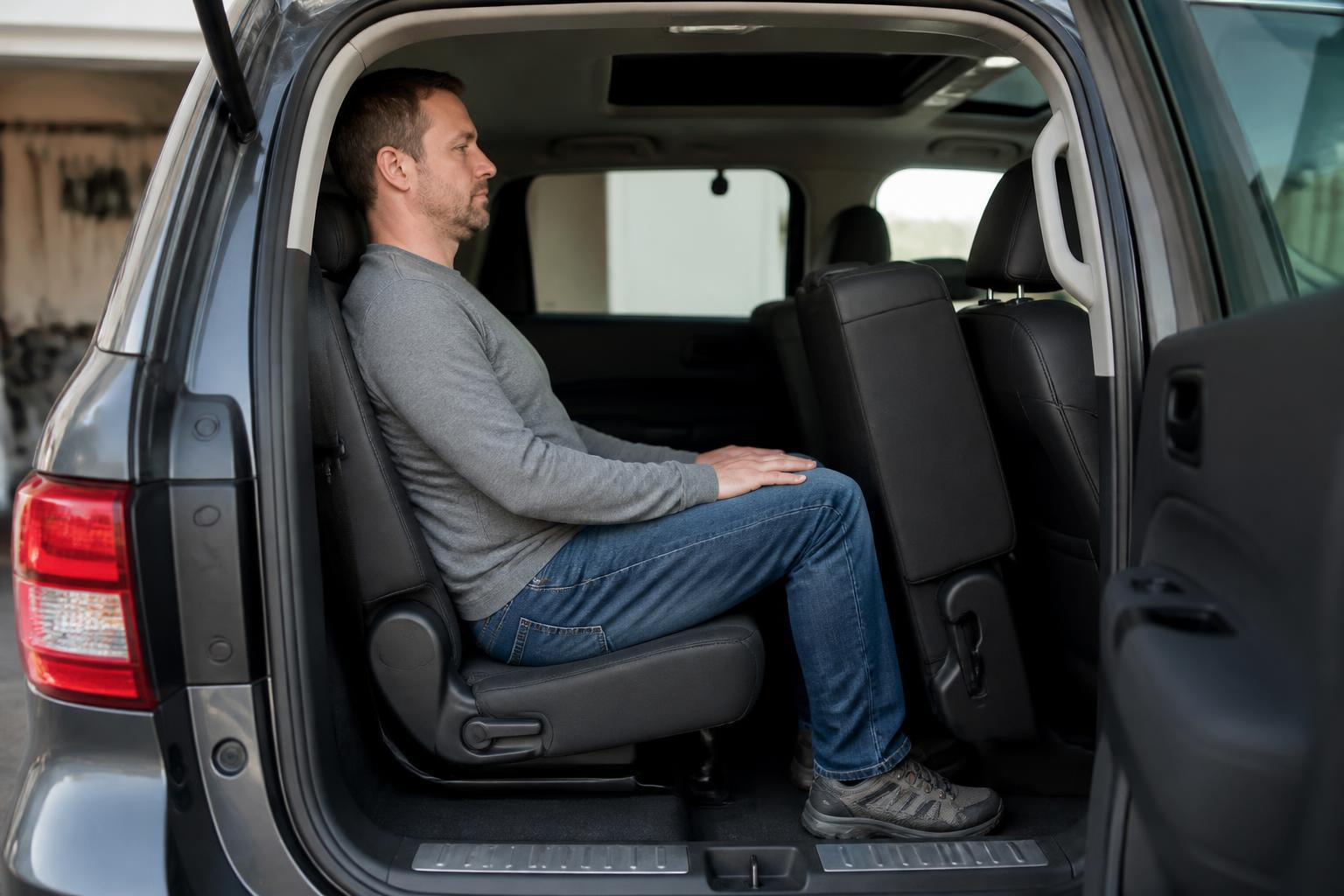
The third row in a full-size SUV is no longer an afterthought, but there are real differences in legroom, headroom, and seat comfort. Bring an actual adult passenger to your test drive — sitting in the third row for five minutes will tell you more than any spec sheet.
Chevy Tahoe
The Tahoe’s third row fits adults up to about 6 feet tall. Legroom measures 34.9 inches, which is competitive with most rivals. The seat cushion sits relatively low, so taller passengers may feel a knees-up position on longer trips. The available second-row captain’s chairs make third-row access easier than the bench configuration.
If you plan to use the third row for teenagers or older children, the Tahoe works well. For full-size adults on road trips, test it first — many owners report thigh discomfort after two hours.
Ford Expedition
Third-row legroom is 36.1 inches on the standard wheelbase and 36.6 inches on the Max. The seat is positioned higher off the floor than the Tahoe’s, which improves comfort for full-size adults. The Expedition Max adds significant cargo room behind the third row, but the third-row seating dimensions are nearly identical between the standard and Max versions.
Toyota Sequoia
The Sequoia’s third row is noticeably tighter at 33.4 inches of legroom. The hybrid battery pack sits under the load floor, raising the floor height and reducing headroom for taller passengers. The third row works best for shorter adults or children on regular trips. Adults over 5 feet 10 inches will find it cramped for drives longer than an hour.
Nissan Armada
Legroom is 30.9 inches, one of the stingiest numbers in the segment. The third row feels more like a midsize SUV’s rear seat; it is usable for occasional trips but not comfortable for long highway stretches with full-sized passengers. The seat cushion is also low and short, providing limited thigh support.
Jeep Wagoneer
Legroom is 34.5 inches, and the seat is well-shaped for adults. The Wagoneer’s third row is one of the roomiest in the segment, with good headroom even for 6-foot riders. The power-recline feature on higher trims adds to long-distance comfort.
If you regularly carry adults in the third row, the Expedition and Wagoneer are the strongest choices. The Sequoia and Armada are better reserved for occasional child or pet use.
Cargo Space Breakdown by Row
Cargo capacity varies dramatically behind the third row, which is the most commonly needed measurement for daily use.
Behind the Third Row
The Jeep Wagoneer leads with 27.4 cubic feet, enough for a full week of groceries or three large suitcases stacked. The Chevy Tahoe is close at 25.5 cubic feet. The Ford Expedition standard wheelbase manages only 19.3 cubic feet, which is tight for a family of five on a road trip. The Expedition Max boosts that to 34.9 cubic feet, the best in class. The Nissan Armada (16.5) and Toyota Sequoia (11.5) are barely sufficient for a couple of duffel bags or a double stroller with cargo management.
Before you decide, bring your actual luggage and a stroller to the dealership. Park the vehicle, open the rear, and confirm the space fits your gear. Online specs often measure at the narrowest point; real-world loading may differ.
Behind the Second Row
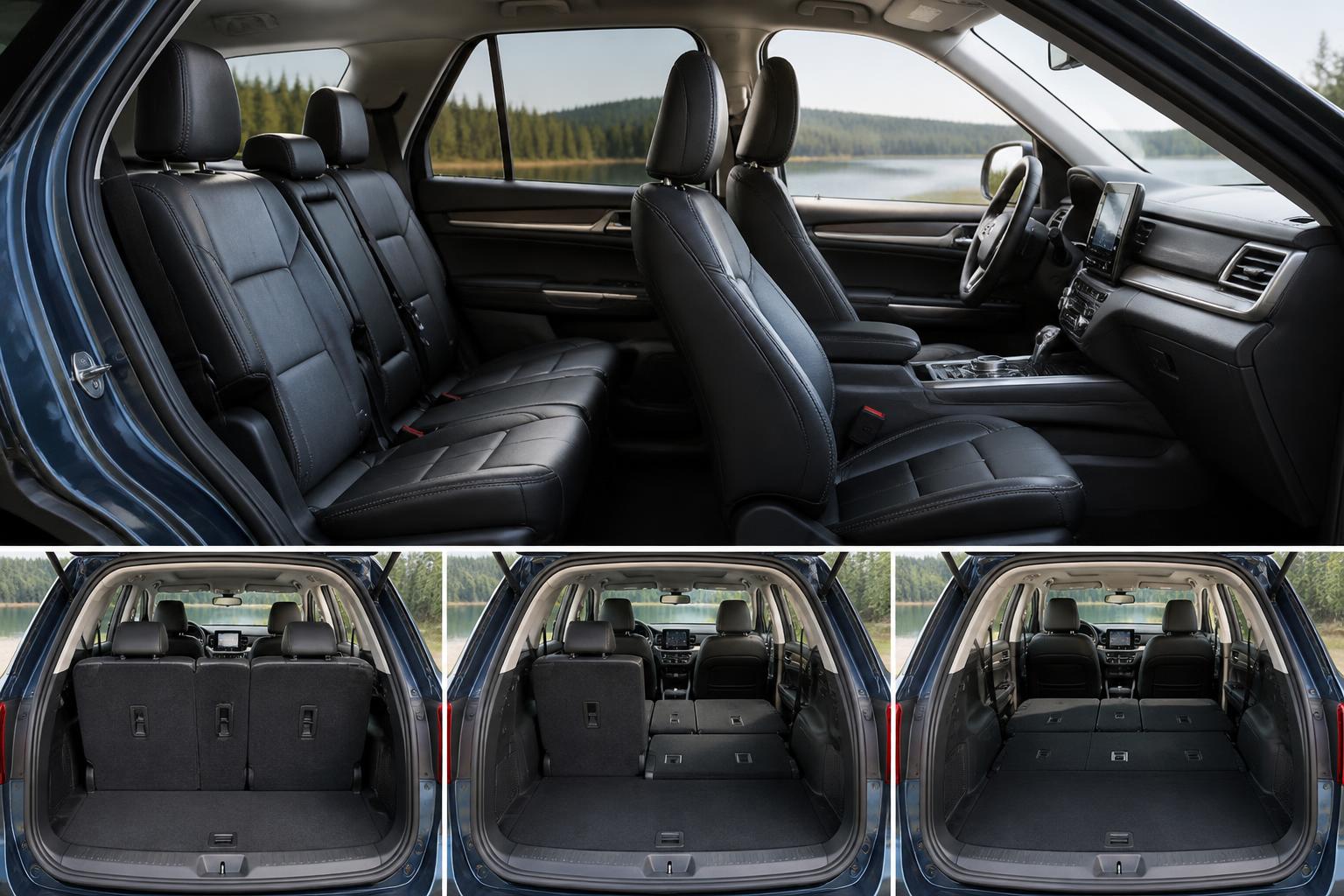
With the third row folded, the Chevy Tahoe (72.6) and Expedition Max (78.3) provide the most usable space for bulky items like furniture or large coolers. The Jeep Wagoneer (59.6) is respectable but not class-leading. The Sequoia (49.0) and Armada (49.3) are closer to a large midsize SUV in this measurement.
Maximum Cargo (Both Rows Folded)
The Chevy Tahoe (122.9) and Expedition Max (121.5) are the heavy lifters. The Jeep Wagoneer (116.7) is also generous. The Toyota Sequoia (86.9) and Nissan Armada (95.4) fall behind due to their shorter rooflines and, in the Sequoia’s case, the hybrid powertrain hardware.
The Sequoia’s hybrid system is standard on all trims. It sacrifices cargo volume and third-row legroom for fuel economy (up to 22 mpg combined vs. 16–18 for the others). If you need maximum carrying capacity, the Tahoe, Expedition Max, or Wagoneer are better picks.
Overall Dimensions and Parking Fit
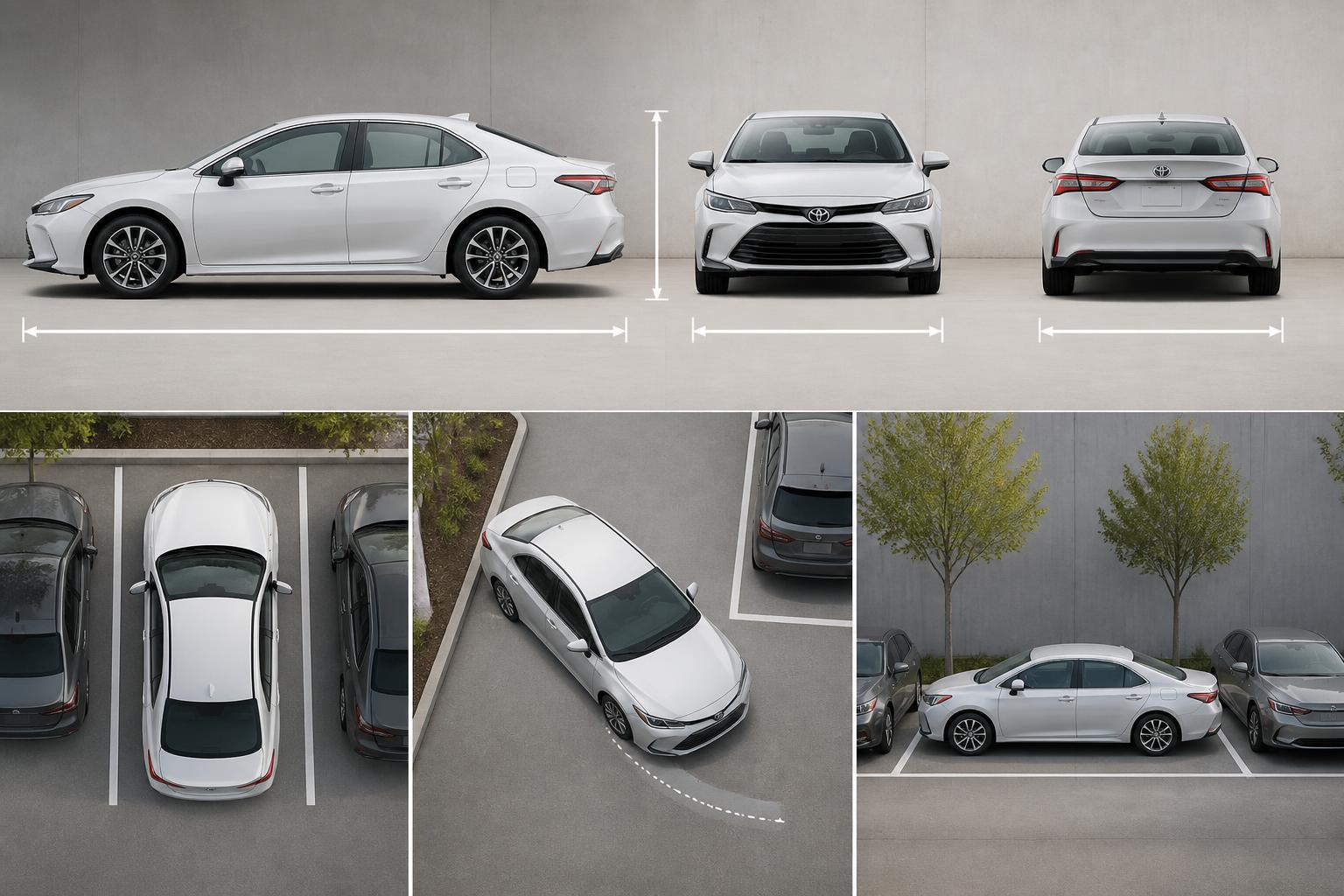
Length and width matter if your garage is tight or you parallel park regularly.
The shortest overall model is the Toyota Sequoia at 208.1 inches. It is still a foot longer than a midsize SUV, but it fits in standard 20-foot garages more easily than most competitors. The longest standard-wheelbase model is the Jeep Wagoneer at 214.7 inches. The Expedition Max stretches to 221.9 inches.
Width without mirrors ranges from 79.9 inches (Sequoia) to 81.0 inches (Wagoneer). Height ranges from 74.0 inches (Sequoia) to 76.7 inches (Wagoneer). If your garage door opening is 80 inches, the Wagoneer leaves only about three inches of vertical clearance.
The Sequoia or standard-length Expedition (210.0 inches) are least problematic for parallel parking and older garages. The Wagoneer and Expedition Max require careful maneuvering and may not fit in compact parking spaces.
Seating Configurations and Practical Trade-Offs
Chevy Tahoe
The Tahoe offers a third-row bench for a maximum of 9 passengers or captain’s chairs in the second row for 8. The second-row bench slides and reclines. Available rear air suspension helps with towing and keeps the vehicle level when loaded.
Ford Expedition
The Expedition uses a third-row PowerFold seat that folds flat into the floor, a feature unique to this segment. The second row is available as a bench or captain’s chairs. The independent rear suspension helps cargo space but slightly reduces third-row foot room compared to solid-axle competitors.
Toyota Sequoia
The Sequoia’s hybrid powertrain is standard on all trims. The third row does not fold flat; it flips up against the sides of the cargo area. This leaves an irregular load floor and limits rear visibility. The second row is available as a bench or captain’s chairs.
Because the third row flips up instead of folding flat, you cannot lay long items like lumber or camping gear flat inside the cargo area. This is a real limitation if you plan to haul sheet goods or long boxes.
Nissan Armada
The Armada uses a traditional fold-flat third row that creates a usable but not class-leading load floor. The second row offers a bench or captain’s chairs. The Armada’s older platform means fewer clever storage solutions compared to the newer competition.
Jeep Wagoneer
The Wagoneer’s third row folds flat, and the second row offers both bench and captain’s chair configurations. The hands-free power liftgate is standard on higher trims. The Wagoneer also includes a standard air suspension that can lower the rear for easier loading.
The Wagoneer’s interior storage solutions, including underfloor bins in the cargo area, make better use of the available space than the Sequoia or Armada. If you regularly carry gear, the Wagoneer’s 27.4 cubic feet behind the third row is a practical daily advantage.
Explore This Topic
Related guides in this cluster:
- Compact Suv Dimensions Cargo Space Compared
- Midsize Suv Dimensions Cargo Space Compared
- Luxury Suv Dimensions Cargo Space Compared

Greedy Wheels is the founder and lead editor at Wheels Greed. With over 15 years of hands-on automotive experience — from rebuilding engines in a home garage to managing fleet maintenance for a regional logistics company — he brings real-world mechanical knowledge to every guide.
His work has been featured in automotive forums, owner communities, and dealership training materials. When he’s not researching the latest car owner questions, you’ll find him at a local track day, wrenching on his project car, or testing the newest OBD2 diagnostic tools.
At Wheels Greed, every article is reviewed against manufacturer service manuals, NHTSA bulletins, and verified owner reports. No AI-generated fluff. No guesswork. Just practical answers from someone who has turned the wrench.