Extended Car Warranty: Is It Worth It? A Buyer’s Guide
For most drivers, buying an extended car warranty is usually not worth it. The average cost ranges from $1,000 to $3,000, and many plans exclude the repairs that actually fail most often. If your car is still under the factory warranty, you don’t need one yet. If you drive a reliable model and can cover a $1,500–$2,000 repair out of pocket, self-insuring with a dedicated savings account is almost always the smarter financial move.
Still, there are specific situations where a third-party or manufacturer-backed extended warranty can pay off. This guide breaks down when it makes sense, when it doesn’t, what you’ll typically pay, and the cheaper alternatives you should consider first.
A quick note on when the answer changes: The guidance below applies primarily to cars from model year 2015 or newer with fewer than 100,000 miles. For older vehicles (10+ years old, high mileage) extended warranty premiums are much higher per month, coverage exclusions become more aggressive, and the likelihood of a denied claim increases. If you drive a 2012 or older car with 125,000+ miles, you are almost always better off self-insuring because the warranty company will price the risk so high that you’ll never break even.
Car Warranty” />: Is It Worth It? A Buyer’s Guide
When an Extended Warranty Actually Makes Sense
Extended warranties are expensive insurance, not an investment. They’re worth considering only in a few narrow scenarios:
- You drive a vehicle with known expensive failure points. For example, a 2015–2020 BMW or Audi with a turbocharged engine that commonly needs $4,000+ timing-chain work. If you plan to keep the car past 100,000 miles and the repair cost would be a hardship, a plan from the manufacturer (or a reputable third party like Endurance or CarShield) could offset that risk.
- You cannot handle a single large repair bill. If your emergency fund is nonexistent and $2,000 would wreck your budget, an extended warranty may give you peace of mind. Just know you’re paying a premium for that transfer of risk.
- You’re buying a used car with only a short remaining factory warranty. Some dealerships bundle a warranty into the sale price – if it’s from the manufacturer and the price is reasonable (say $1,200–$1,800 for a 3-year/36,000-mile plan on a 4-year-old model), it might be worth adding. But get the price in writing and compare with aftermarket options.
If you check none of those boxes, skip the extended warranty.
When It’s a Bad Deal
Most extended warranties fall into the “not worth it” bucket for these reasons:
- High markup. The dealer or third-party company marks up the price 50–100% over the wholesale cost. You can often negotiate them down 30–40%, but the starting price is already inflated.
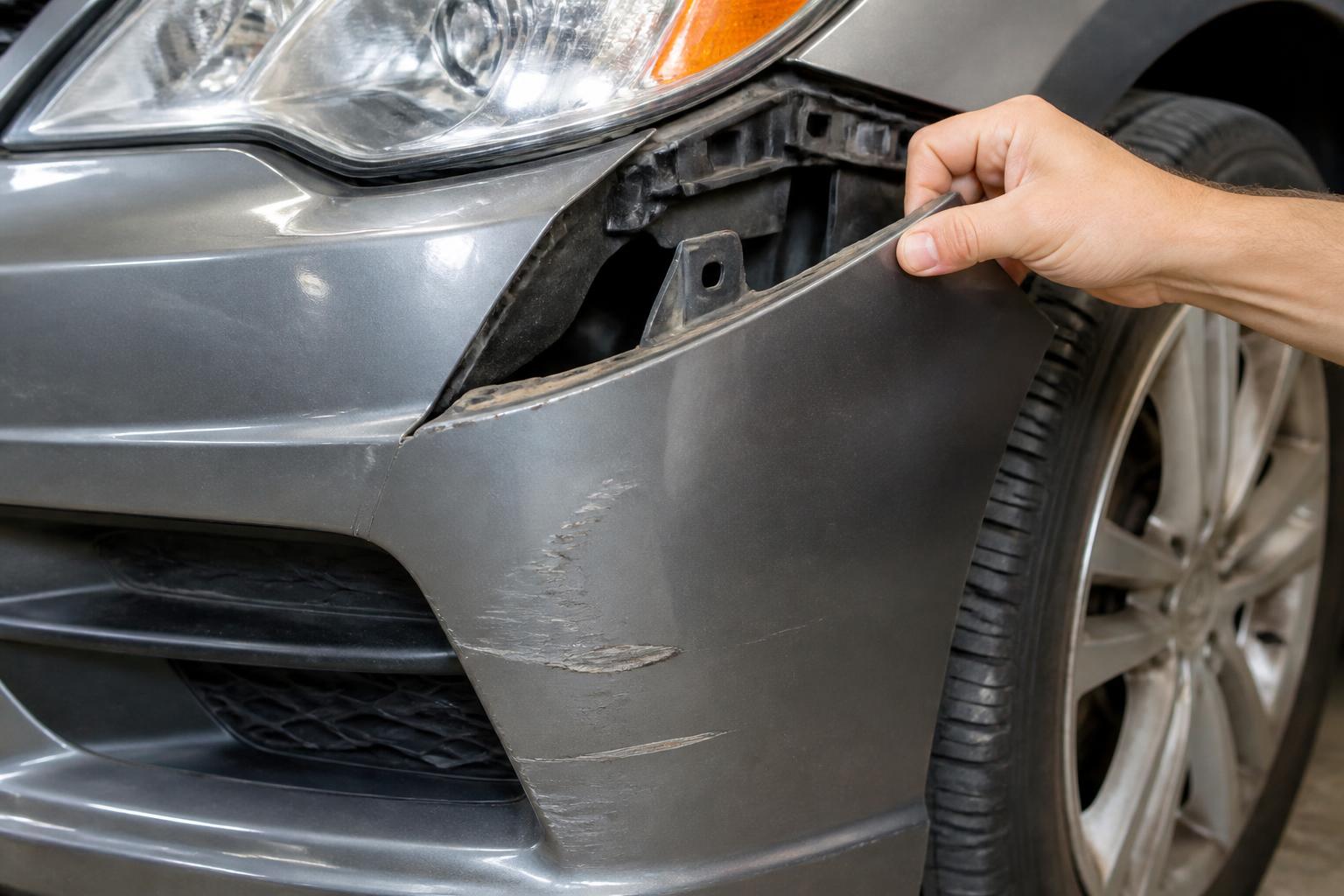
- Exclusions list is long and vague. Typical plans exclude wear items (brakes, belts, hoses, clutch, batteries), and many also exclude common electrical failures like window regulators, door lock actuators, and infotainment screens. Read the fine print – you might find that the repair you’re worried about is not covered.
- Deductible and claim hurdles. Most plans have a $100–$200 per-visit deductible. Some require you to use a specific repair network, wait for pre-authorization, and pay for diagnostic time (which isn’t reimbursed). After fees and denied claims, you may end up paying more out of pocket than the warranty ever returns.
- Manufacturer-backed plans cost more but have fewer headaches. Factory-backed extended warranties (e.g., Toyota Extra Care, Honda Care) are generally more reliable, but they still cost $1,500–$4,000. The odds of needing that much in repairs during the coverage period are slim for most modern cars.
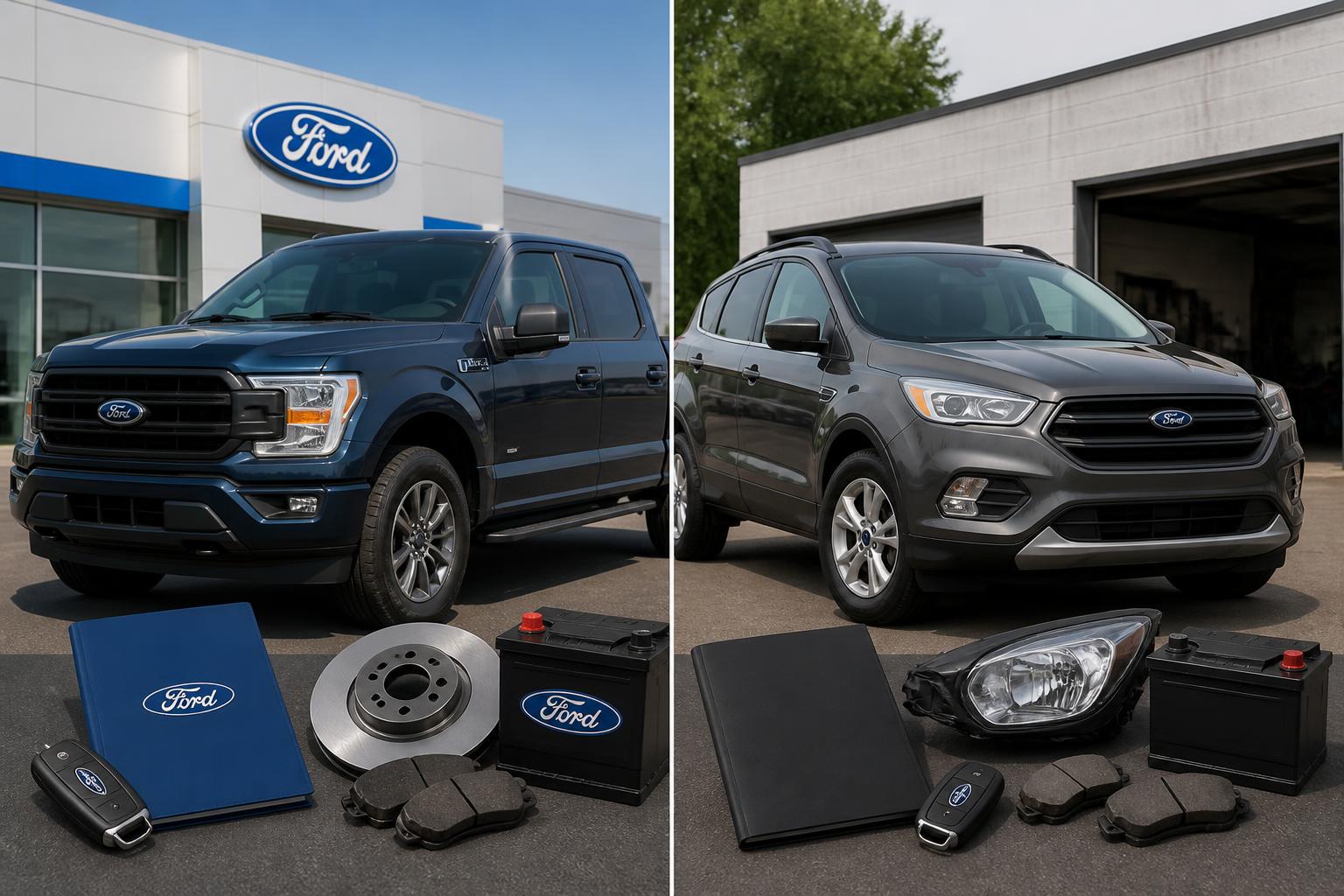
Real-world example of a denied claim: A 2019 Ford F-150 owner purchased a $2,200 third-party extended warranty. When the transmission developed a shudder at 65,000 miles, the warranty company denied the claim because the “transmission recalibration” was classified as a software update rather than a mechanical failure. The owner paid $1,800 for a new valve body out of pocket. Always confirm that specific high-risk components – like transmission valve bodies, turbos, or infotainment screens – are listed as covered, not just vaguely grouped under “powertrain.”
Manufacturer-Backed vs. Third-Party Warranties
The table below compares the two main types:
| Feature | Manufacturer-Backed (e.g., Ford Protect, Chevrolet Protection Plan) | Third-Party (e.g., Endurance, CarShield, Protect My Car) |
|---|---|---|
| Repair network | Any franchised dealer of that brand | Usually a network of independent shops or any licensed shop (varies) |
| Approval process | Straightforward – dealer diagnoses, gets code, repair approved | Often requires prior authorization, may send inspector; claim denials are more common |
| Coverage language | Clear – uses same parts and labor standards as factory warranty | Vague wording; many exclusions |
| Transferability | Usually transferable to next owner (adds resale value) | Some plans are transferable, some are not – check terms |
| Average cost | $1,800–$4,000 for 3–5 years / 60,000–100,000 miles | $800–$2,500 for similar term |
| Best for | Late-model used cars (still reliable, low risk of claim) | Older high-mileage vehicles where factory plan is no longer offered |
Which to pick? If you can afford the premium, a manufacturer-backed plan is a safer bet. Third-party plans can save money upfront but involve more paperwork and risk of denial.
How to verify coverage before signing: Most third-party companies post sample contracts online. Search for “
What’s Typically Covered vs. What’s Excluded
Standard exclusion categories apply to nearly every extended warranty. Check your specific contract, but here’s the usual breakdown:
Covered (if listed explicitly – “exclusionary” plans are best)
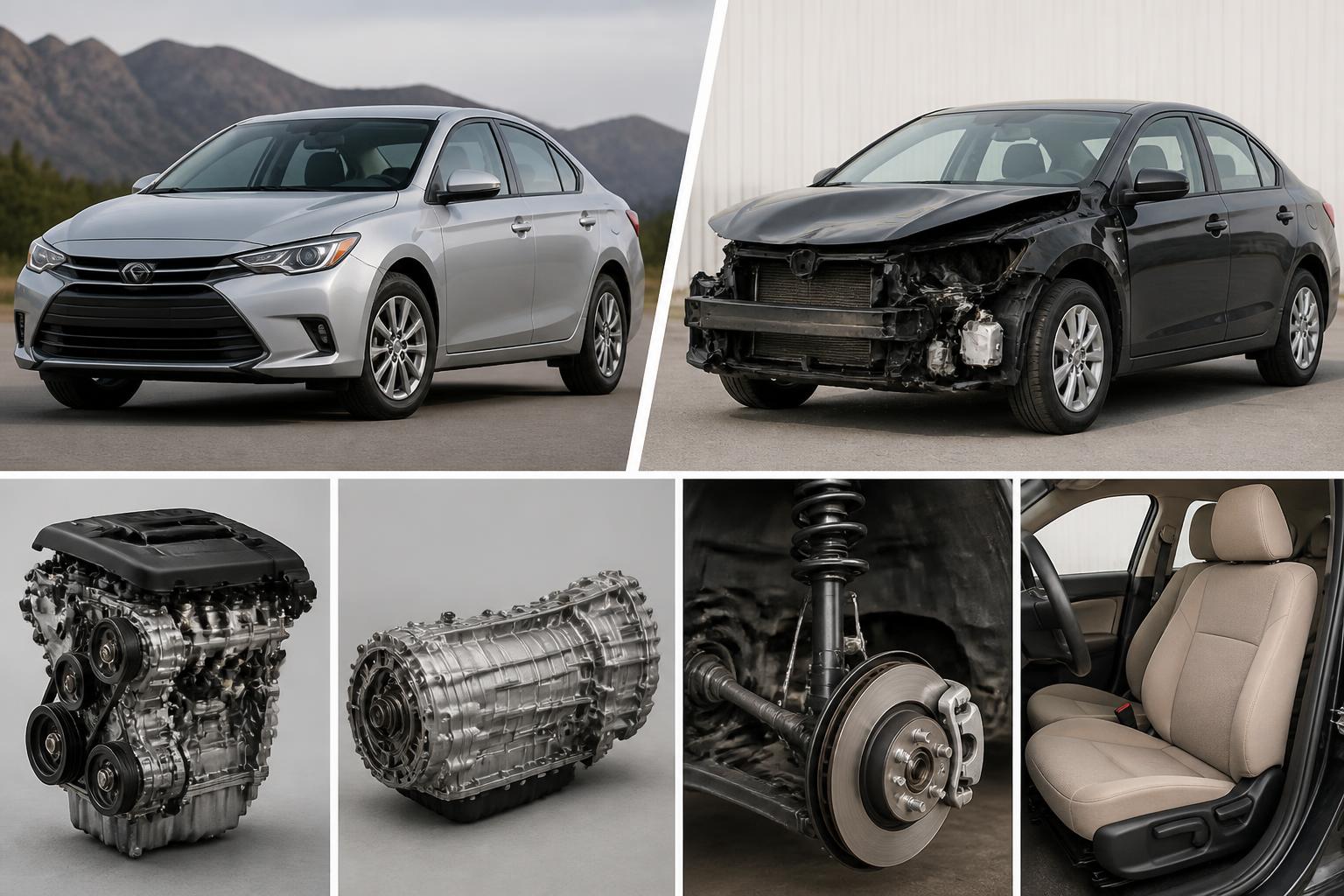
- Engine, transmission, drivetrain (seals and gaskets usually included on high-end plans)
- Alternator, starter, water pump
- Air conditioning compressor (sometimes)
- Steering and suspension components (ball joints, tie rods) under “powertrain plus” or “comprehensive”
Not covered (almost always excluded)
- Brake pads, rotors, drums
- Tires, wheels, alignment, tire pressure sensors
- Clutch assembly (manual transmission)
- Battery, belts, hoses – “wear items”
- Fluids, filters, spark plugs (routine maintenance)
- Body panels, glass, paint, trim
- Interior electronics (radio, navigation, power seat motors) unless specifically included
- Diagnostic time ($100–$150 per hour is often your cost)
The most common costly repairs – infotainment touchscreen failures, automatic climate control actuators, and window regulators – are frequently excluded. If your car has a known glitch-prone screen, confirm coverage before signing.
A realistic trade-off: Even on a comprehensive “exclusionary” plan, the warranty company will often exclude the turbocharger on a turbocharged engine while covering the engine block. If your turbo fails ($2,500+ repair), you pay it all. Always read the turbo clause. Similarly, many plans exclude the catalytic converter, a $1,500+ repair on most cars. These limits aren’t bugs; they’re how the warranty company keeps the premium low for the “covered” parts that rarely break.
Average Costs and What You’ll Really Pay
- Typical 3-year/36,000-mile plan: $1,200–$1,800 (manufacturer-backed) or $800–$1,500 (third-party)
- 5-year/100,000-mile plan: $2,000–$4,000
- Monthly payment plans: $80–$150 per month (with 18%+ interest if financed through the dealer)
These prices assume you buy the warranty before your factory warranty expires. Buying after that can increase price by 20–40% or the plan may not be available.
A Cheaper Alternative: Self-Insure with a Savings Account
Instead of paying $1,500–$3,000 for an extended warranty, open a separate savings account labeled “Car Repairs” and deposit $75–$125 per month. In two years you’ll have $1,800–$3,000. In three years, $2,700–$4,500. That covers the average major repair:
- Engine replacement: $4,000–$8,000 (rare)
- Transmission rebuild: $2,500–$4,500
- AC compressor replacement: $1,000–$1,500
- Alternator + belt: $500–$800
The math works because most cars don’t need a major repair every year. You keep the money if nothing breaks. And you avoid deductibles, denied claims, and contract fine-print headaches.
Verification step: To confirm you can really cover a major repair, add up your total savings after 12 months. If you’ve only saved $600 instead of $1,200, increase your monthly deposit. Most owners need at least $2,000 in this fund before they feel comfortable dropping the idea of a warranty.
Decision Flowchart
1. Is your car still under factory warranty?
- Yes: Wait. Buy extended warranty only in the last year of coverage if you want it.
- No: Go to step 2.
2. Can you afford a $2,000 repair out of pocket without hardship?
- Yes: Self-insure (see above).
- No: Go to step 3.
3. Do you plan to keep the car at least 3 more years?
- No: Skip the warranty – you won’t recoup the cost in repairs.
- Yes: Go to step 4.
4. Is the car a model known for expensive failures (e.g., European luxury, certain high-mileage turbos)?
- Yes: Consider a manufacturer-backed extended warranty, but only after getting a price quote and reading the exclusions list.
- No: Self-insure – you’ll almost certainly come out ahead.
If you decide an extended warranty is right for you, buy it directly from the manufacturer (or a licensed dealer) before your factory warranty expires. Get the price in writing, read the full list of exclusions, and remember: the warranty company is betting that your car won’t break – you should make the same bet and keep your money in savings instead.
Frequently Asked Questions
Is an extended car warranty worth it for a used car?
Only if the car is out of factory warranty, you cannot cover a $2,000 repair out of pocket, and you buy a manufacturer-backed plan for a reliable model. Even then, the odds are against you.
What’s the best extended car warranty company?
Manufacturer-backed plans (e.g., Toyota Extra Care, Honda Care, Chevrolet Protection Plan) are the least risky. Among third parties, Endurance and CarShield have large networks but mixed reviews – always read the contract’s exclusions before signing.
Can I negotiate the price of an extended warranty?
Yes. Dealers often have 50–100% margin. You can usually get 30–40% off the initial quoted price. Never pay full sticker.
Do extended warranties cover maintenance?
No. Oil changes, tire rotations, brake pads, and belts are never covered.
Should I buy an extended warranty for a certified pre-owned (CPO) car?
CPO vehicles already come with a factory-backed warranty (e.g., 2 years/24,000 miles added). You don’t need additional coverage until near the end of that period, and only if you still want it.
Explore This Topic
Related guides in this cluster:
- New Car Warranty Comparison By Brand
- High Mileage Car Maintenance Guide
- How To Spell And Pronounce Car Brand Names

Greedy Wheels is the founder and lead editor at Wheels Greed. With over 15 years of hands-on automotive experience — from rebuilding engines in a home garage to managing fleet maintenance for a regional logistics company — he brings real-world mechanical knowledge to every guide.
His work has been featured in automotive forums, owner communities, and dealership training materials. When he’s not researching the latest car owner questions, you’ll find him at a local track day, wrenching on his project car, or testing the newest OBD2 diagnostic tools.
At Wheels Greed, every article is reviewed against manufacturer service manuals, NHTSA bulletins, and verified owner reports. No AI-generated fluff. No guesswork. Just practical answers from someone who has turned the wrench.