Does Subaru Make a Plug-In Hybrid Model?
As of late 2023 and into 2024, Subaru does not currently offer a new plug-in hybrid (PHEV) model for sale in the United States. While Subaru has explored hybrid technology in the past, their current lineup focuses on gasoline-powered vehicles and a fully electric SUV. For drivers specifically seeking a plug-in hybrid experience, Subaru’s current offerings do not meet that need.
Subaru’s Electrified Path: Who the Solterra Fits Best
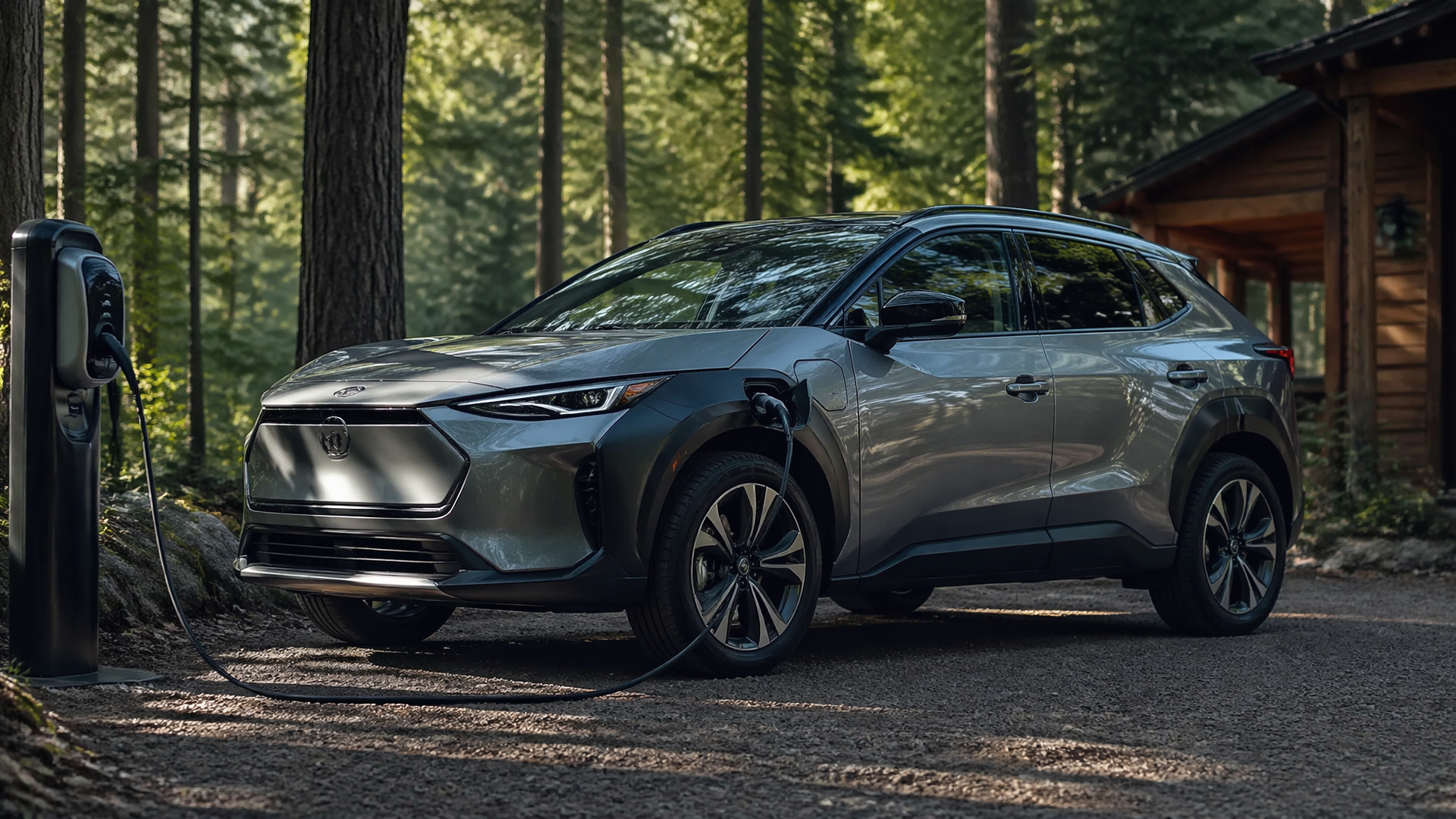
For buyers who are set on a Subaru but find themselves wishing for plug-in hybrid capability, the closest practical alternative within the brand is the Subaru Solterra. This is Subaru’s first all-electric SUV, developed in partnership with Toyota. It offers zero tailpipe emissions and the benefits of electric driving, such as instant torque and a quiet ride. If the appeal of a plug-in hybrid was primarily about reducing gasoline consumption and emissions while still having the flexibility of refueling with gasoline for longer trips, the Solterra might serve as a compelling electric alternative.
It represents Subaru’s commitment to electrification, even if it bypasses the plug-in hybrid stage. The Solterra is designed to appeal to environmentally conscious consumers and those looking for the latest in automotive technology, fitting well within Subaru’s adventure-oriented brand image, albeit with a different powertrain approach.
A key verification point for interested buyers is understanding the Solterra’s charging requirements. Unlike a plug-in hybrid, which can use a standard gasoline pump for extended range, the Solterra relies entirely on electric charging. This means ensuring you have access to a reliable charging solution, whether at home or through public charging networks, to maximize its usability. Without this, the practicality of an all-electric vehicle can be significantly diminished, a trade-off that differs from the flexible refueling of a PHEV.
Main Trade-Offs When Considering Subaru’s Powertrain Options
The primary trade-off for a Subaru buyer seeking a plug-in hybrid is the current absence of such a model in their lineup. This means foregoing the specific advantages of a PHEV, such as the ability to run on electric power for shorter commutes and then switch to gasoline for longer journeys without range anxiety. If a plug-in hybrid was desired for its balance of electric efficiency and traditional refueling convenience, choosing a Subaru means either accepting a fully electric vehicle like the Solterra, which requires access to charging infrastructure and has a fixed electric range, or opting for a conventional gasoline-powered Subaru model, which will not offer any electric-only driving capability.
This necessitates a decision about priorities: is the Subaru brand loyalty paramount, or is the plug-in hybrid powertrain a non-negotiable feature? For those who prioritize the latter, looking at other manufacturers will be necessary.
A significant practical limitation to consider is the Solterra’s electric-only range. While it offers a clean driving experience, its range is fixed and dependent on battery charge, unlike a PHEV which can extend its travel distance by simply filling up with gasoline. For instance, if you frequently undertake long road trips where charging stations might be sparse or inconvenient, the Solterra’s range limitations could lead to more frequent stops and potentially extended travel times compared to a PHEV that can revert to gasoline power. This is a concrete mismatch for drivers who value the absolute flexibility of a dual-powertrain system for extended journeys.
When to Skip Subaru for a Plug-In Hybrid
If your absolute top priority is to acquire a plug-in hybrid vehicle right now, and you are not flexible on powertrain type, then Subaru is not the brand for you at this moment. Many other automotive manufacturers offer a wide range of plug-in hybrid options across various vehicle segments, from sedans and SUVs to minivans. These competitors provide the specific functionality that a plug-in hybrid offers—the ability to charge from an outlet for electric driving and seamlessly switch to a gasoline engine when needed, often providing a combined range that eliminates range anxiety altogether.
If you need this dual-fuel capability for your daily driving habits, whether it’s for long commutes without reliable charging access or for frequent road trips where minimizing refueling stops is key, you will find more suitable and readily available options from brands like Toyota, Hyundai, Kia, Ford, Chrysler, and others that have a more robust PHEV offering in their current US market portfolios.
For example, if your daily commute is around 30-40 miles and you have reliable access to home charging, a PHEV from another brand would allow you to complete most of your driving on electric power alone, significantly reducing fuel costs. However, if you unexpectedly need to drive 100 miles or more without the opportunity to recharge, a PHEV can simply use its gasoline engine to cover the distance, a scenario that could be problematic for an all-electric vehicle without readily available charging stops. Therefore, for drivers whose travel patterns are unpredictable or frequently exceed typical electric ranges, a PHEV from a competitor is a more practical and less anxiety-inducing choice than Subaru’s current electrified offerings.
Bottom Line: The Practical Choice for Plug-In Hybrid Seekers
Subaru currently does not produce or sell a plug-in hybrid model in the United States. While the brand is investing in electrification with its all-electric Solterra SUV, drivers specifically looking for the unique blend of electric and gasoline power offered by a plug-in hybrid will need to consider other manufacturers. If a Subaru’s all-wheel-drive capability, safety features, and rugged image are your primary drivers, and you are open to a fully electric experience, the Solterra is the brand’s current electrified offering. However, for those who are unwavering in their desire for a plug-in hybrid, exploring vehicles from competing brands is the most direct path to fulfilling that specific automotive need.
Explore This Topic
- Does Subaru Offer A Plug In Hybrid Vehicle
- Does Subaru Make A Convertible Car Model
- Does Subaru Make A 3Rd Row Suv Model

Greedy Wheels is the founder and lead editor at Wheels Greed. With over 15 years of hands-on automotive experience — from rebuilding engines in a home garage to managing fleet maintenance for a regional logistics company — he brings real-world mechanical knowledge to every guide.
His work has been featured in automotive forums, owner communities, and dealership training materials. When he’s not researching the latest car owner questions, you’ll find him at a local track day, wrenching on his project car, or testing the newest OBD2 diagnostic tools.
At Wheels Greed, every article is reviewed against manufacturer service manuals, NHTSA bulletins, and verified owner reports. No AI-generated fluff. No guesswork. Just practical answers from someone who has turned the wrench.