Most Common Problems with American Cars: Ford, Chevrolet, RAM, Jeep, GMC
American car brands have produced some of the most popular vehicles on the road, but certain models come with known reliability pitfalls. The most frequently reported issues include Ford’s EcoBoost timing chains and PowerShift transmissions, Chevrolet’s AFM lifter failures and Equinox oil consumption, RAM’s HEMI tick and air suspension leaks, Jeep’s electrical gremlins and death wobble, and GMC’s shared GM powertrain problems plus trim-specific quirks. Before buying a used model, check the service history, open recalls, and any technical service bulletins (TSBs) for your specific year and engine.
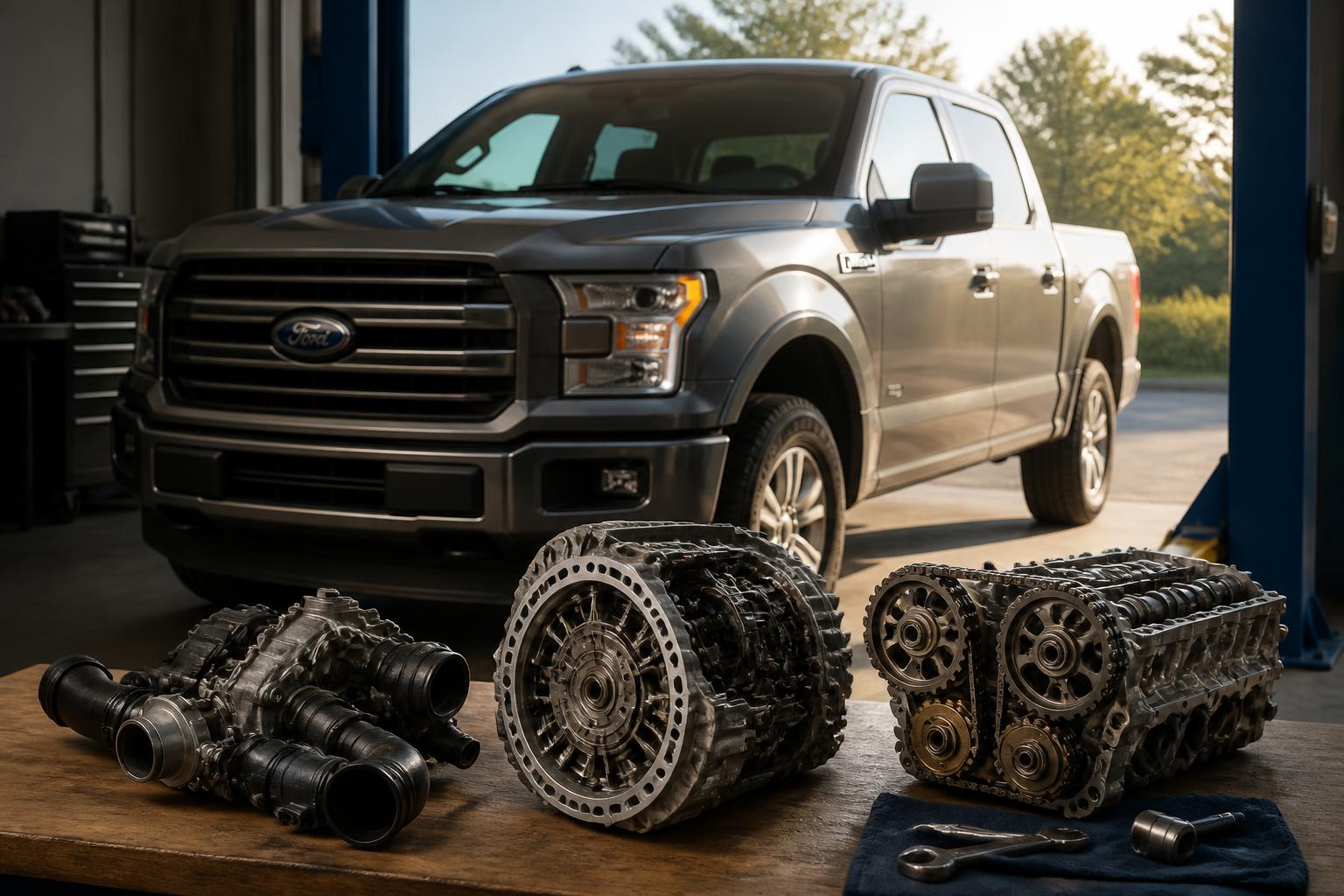
Ford: EcoBoost, PowerShift, and F-150 Cam Phasers
Early Checks for Ford Owners
Before diving into repairs, start with a cold-start listen. Start the engine after it has sat for at least six hours. A rattling noise from the front of the engine that lasts two to three seconds points to timing chain stretch. A persistent ticking or knocking at idle that fades as the engine warms suggests cam phaser trouble. If the car is a Focus or Fiesta (2012–2016) and shudders when pulling away from a stop, the PowerShift transmission likely needs attention.
Realistic branch: If you hear the cold-start rattle but it goes away completely within seconds, the timing chain tensioner may still be holding but is worn. You can safely drive short trips while you plan the repair, but delay oil changes beyond 5,000 miles and the chain can jump, causing piston-to-valve contact. If the rattle lasts longer than five seconds or is accompanied by a check engine light, stop driving and have the chain inspected immediately.
EcoBoost Engine Issues
Ford’s 3.5L and 2.7L EcoBoost engines (2011–2016 models especially) are prone to timing chain stretch and turbocharger failures. A stretched chain can cause a rattling noise on startup and eventually lead to catastrophic engine damage. The chain tensioners and guides often wear before 100,000 miles. Check for updated chain components (part numbers ending in “-A” or later) and ensure oil changes were done every 5,000 miles with full synthetic.
Verification step after repair: After replacing the timing chain, tensioners, and guides, the cold-start rattle should be gone. Start the engine after an overnight soak. If you hear any rattle, even brief, the oil check valve in the tensioner may still be faulty or the replacement parts were not the latest revision. Recheck part numbers and consider replacing the oil pump if it was not done during the job.
PowerShift Transmission Failure
The 6-speed PowerShift dual-clutch automatic (used in Focus and Fiesta from 2012–2016) suffers from shuddering, hesitation, and clutch wear. Ford extended the warranty on these transmissions and settled a class-action lawsuit. Symptoms include rough shifting from first to second gear and a “clunk” when accelerating. A software reflash may help temporarily, but clutch replacement is often needed.
Failure mode to watch for: Even after a clutch replacement, the shudder can return within 10,000–20,000 miles if the transmission control module (TCM) was not updated to the latest calibration. The updated software changes shift timing to reduce clutch slip heat. If the shudder returns, check the TCM calibration before replacing the clutch again. A dealer or reputable shop can confirm the calibration version.
F-150 Cam Phaser Problems
The 3.5L EcoBoost V6 in 2011–2016 F-150s is notorious for cam phaser rattle – a loud ticking or knocking sound at idle or cold start. This is caused by oil pressure issues in the variable valve timing (VVT) system. Replacing the cam phasers and solenoids can fix it, but the root cause (inadequate oil flow to the phasers) may return unless the engine was updated. Ford released revised parts (e.g., phaser assembly #HL3Z-6A257-C). Use only Motorcraft oil filters and 5W-30 full synthetic to reduce recurrence.
Recurrence pattern: Owners who replace only the phasers without also replacing the VVT solenoids and oil pump often see the rattle return within 6–12 months. The solenoids can stick due to sludge, and a weakening oil pump cannot maintain the pressure needed at idle. If the rattle comes back, inspect the oil pressure at idle (should be at least 20 psi on a warm engine). If pressure is low, replace the oil pump and clean the pickup tube.
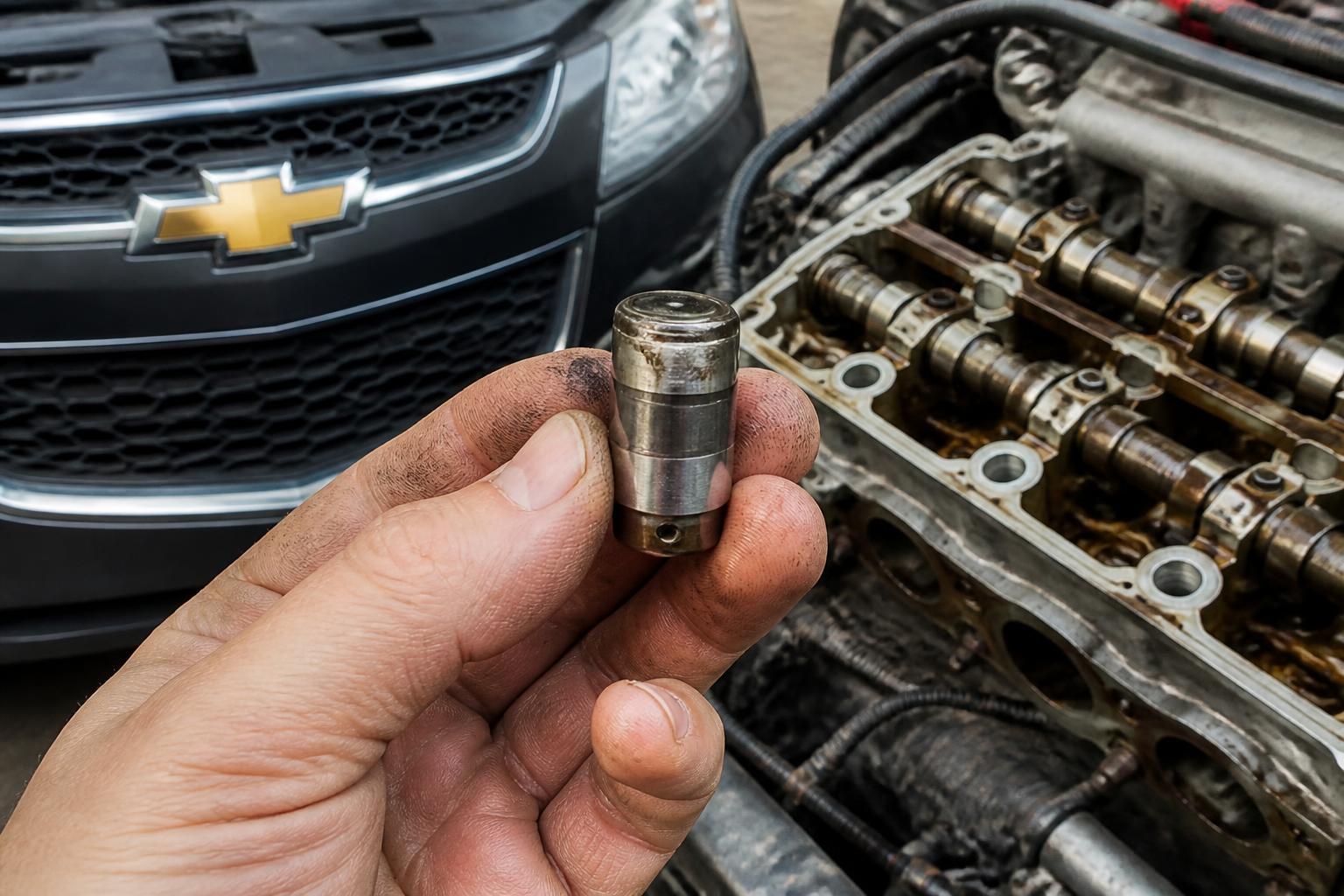
Chevrolet: AFM Lifter Failure and Equinox Oil Consumption
Early Checks for Chevrolet Owners
Check the engine oil level weekly on any 2007–present Chevy V8 or 2010–2017 Equinox/Terrain with the 2.4L engine. A low oil level on the dipstick that drops a quart in under 1,000 miles is a red flag for AFM-related oil consumption or piston ring issues. For V8s, listen for a rhythmic misfire at idle that smooths out when you rev the engine – this is a classic sign of a collapsed AFM lifter.
Realistic branch: If the oil level is low but the engine runs smoothly, you may be catching oil consumption early. Top off with the correct viscosity (5W-30 for most V8s, 5W-30 for 2.4L Ecotec) and monitor over the next 500 miles. If consumption exceeds one quart in 1,000 miles, move to the diagnostic steps below. If the engine is misfiring and the check engine light flashes, stop driving – a collapsed lifter can damage the camshaft beyond repair.
Active Fuel Management (AFM) Lifter Collapse
Chevrolet’s Active Fuel Management (AFM) system, used on V8 engines (5.3L, 6.2L, 4.8L, 6.0L) from 2007 onward, deactivates cylinders to save fuel. Over time, the AFM lifters can collapse, causing cylinder misfires, rough idle, and engine knock. This often damages the camshaft. Many owners disable AFM with a tuner or install a non-AFM cam kit to eliminate the failure point. Silverado and Tahoe models are especially affected. Check for TSB #18-NA-131, which addresses lifter diagnosis.
Verification step after repair: After replacing collapsed lifters and inspecting the camshaft, start the engine and let it idle for 10 minutes. The idle should be smooth with no misfire counts on a scan tool. Drive the vehicle under light load for 5 miles, then check for any check engine light. If the light returns with a P0300 (random misfire) or a cylinder-specific code, one of the new lifters may have been installed incorrectly or the camshaft has a worn lobe that was missed during inspection.
Equinox and Terrain Oil Consumption
The 2.4L Ecotec engine in Chevrolet Equinox and GMC Terrain (2010–2017) is known for excessive oil consumption – sometimes a quart every 1,000 miles. Causes include piston ring sticking and faulty PCV valves. GM issued multiple TSBs (e.g., #12-06-01-004) and extended warranties on piston assemblies for certain VINs. Keep records of oil top-ups and consider a catch can if the engine still has the original rings.
Failure mode to watch for: Even after a piston ring replacement under warranty, some engines continue to consume oil if the PCV valve was not replaced at the same time. A clogged PCV system creates crankcase pressure that forces oil past the new rings. If consumption persists after ring replacement, check the PCV valve (under the intake manifold) and replace it with the updated design. Also inspect the intake tube for oil residue – heavy oil in the intake indicates a failed PCV.
RAM: The HEMI Tick and Air Suspension Woes
Early Checks for RAM Owners
Start the engine cold and listen near the front of the engine bay. A light ticking that speeds up with RPM is normal fuel injector noise. A louder, metallic tick that stays constant regardless of engine temperature points toward exhaust manifold bolts or cam/lifter wear. For air suspension, park on level ground and measure the rear ride height – if one side sits lower than the other after sitting overnight, suspect an air spring leak.
Realistic branch: If you hear a tick that changes pitch or disappears after the engine reaches operating temperature, it is almost certainly fuel injector chatter and does not require action. If the tick remains constant hot and cold, inspect the exhaust manifold bolts. Look for a broken bolt head or a soot trail around the manifold flange. If bolts are intact, the noise may be from worn lifters or cam lobes, which requires removing the valve cover for visual inspection.
HEMI Tick (Hemi Engine Noise)
A ticking or knocking sound from the 5.7L HEMI V8 (2009–present) is often misdiagnosed as exhaust leak or lifter noise. In reality, many cases are caused by fuel injector chatter (normal) or exhaust manifold bolt breakage. However, the “HEMI tick” can also signal worn camshaft lobes or lifters, especially in trucks used for towing without heavy-duty oil coolers. Listen for a metallic tick that increases with RPM. If the sound changes after the engine warms up, it’s likely injector noise; if it remains constant, inspect the exhaust manifold bolts – they often snap, requiring replacement with studs.
Verification step after repair: After replacing broken exhaust manifold bolts with studs, start the engine and let it idle. The tick should be gone or dramatically reduced. Drive the truck for 10 minutes at varying speeds, then re-torque the new studs to 18 ft-lbs (check your service manual for exact spec). If the tick returns within 500 miles, the manifold may be warped from the previous bolt failure, requiring surface machining or replacement.
Air Suspension System Leaks
The air suspension on RAM 1500 (2013–2019) and 2500/3500 models is prone to compressor failure and air line leaks, leading to sagging rear end or a “Service Air Suspension” warning. Common failure points are the air springs (rear) and the compressor dryer desiccant. Replacing the compressor alone may not fix the issue if a leak persists. Check for corrosion on air line fittings near the rear axle. Many owners retrofit with a traditional coil spring conversion.
Failure mode to watch for: A common mistake is replacing the compressor without first pressure-testing the system for leaks. The new compressor will burn out quickly if it has to run constantly to keep up with an undetected leak. After installing a new compressor, spray soapy water along all air line connections, especially at the rear air springs and the valve block. Bubbles indicate the real leak. If no leaks are found but the system still sags, the ride height sensors may be out of calibration.
Jeep: Electrical Gremlins and the Death Wobble
Early Checks for Jeep Owners
Check for parasitic battery drain by measuring voltage across the battery terminals with the engine off and all doors closed. A reading below 12.4 volts after sitting overnight suggests a drain from the TIPM or a faulty accessory. For death wobble, drive the Wrangler on a smooth highway at 45–55 mph. If the front end shakes violently after hitting a bump, you have the classic symptom.
Realistic branch: If the voltage reads above 12.4 volts but you still have intermittent electrical issues (radio cuts out, headlights flicker), the TIPM may have internal corrosion. Open the TIPM fuse box (under the hood, passenger side) and look for green oxidation on the fuse terminals. If corrosion is present, the TIPM needs replacement. If no corrosion is found, the issue may be a loose ground connection at the battery negative terminal or the engine block.
Electrical System Issues
Jeep models, especially the Grand Cherokee (2011–2013) and Wrangler (2012–2018) , suffer from TIPM (Totally Integrated Power Module) failures. This can cause erratic headlight behavior, fuel pump shut-off, and parasitic battery drain. The TIPM is a centralized fuse and relay module that controls multiple electrical systems. When it fails, symptoms can appear intermittent, making diagnosis tricky. A parasitic drain test using a multimeter will confirm if the TIPM is drawing current with the ignition off. Replacement is the only permanent fix, and using a remanufactured unit with updated internal relays is recommended over a junkyard pull.
Verification step after repair: After replacing the TIPM, reconnect the battery and measure the parasitic draw. It should read below 50 milliamps (0.05 A) with all doors closed and the vehicle locked. Let the vehicle sit for 30 minutes to allow all modules to enter sleep mode before taking the final reading. If the draw is still high, one of the new TIPM circuits may be faulty or an aftermarket accessory (remote start, alarm) is the real culprit.
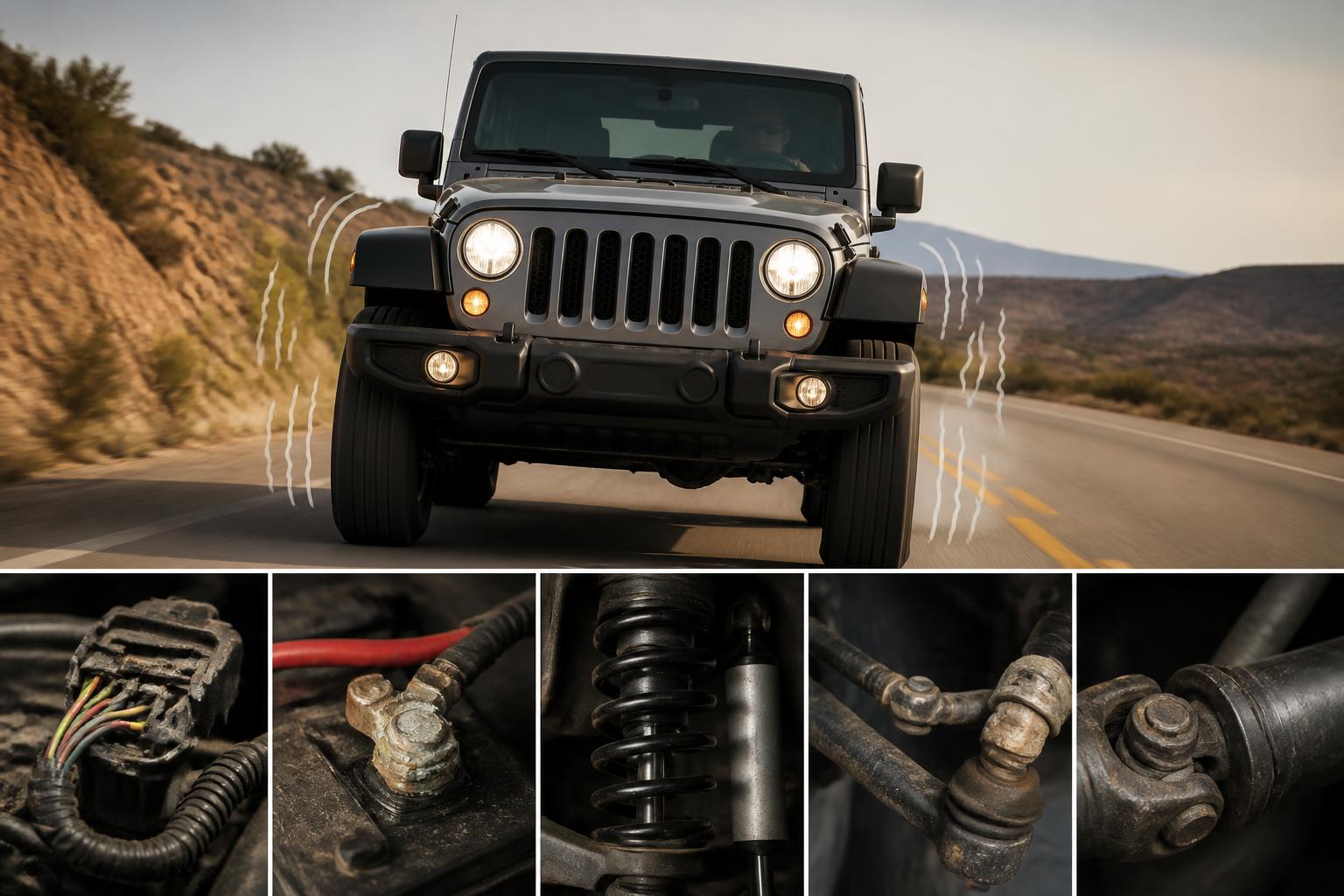
Death Wobble
The death wobble is a violent shaking of the front axle that occurs on Wrangler (2007–2018) and Gladiator models after hitting a bump at highway speed. The root cause is wear in the front suspension and steering components – typically a combination of a worn track bar bushing, ball joints, tie rod ends, or a loose steering stabilizer. The stabilizer itself is a damper, not a fix; replacing it alone will not stop the wobble. Lift kits and larger tires accelerate wear on these parts.
Failure mode to watch for: A common misdiagnosis is replacing only the steering stabilizer. The wobble will return within a few hundred miles if the underlying loose joint is not addressed. After replacing all worn components, check for play by having a helper turn the steering wheel while you watch each joint under the front end. Any visible movement at a joint before the wheel turns means that component is still loose. A dry steering test (engine running, wheels on the ground) should have less than 1 inch of steering wheel play before the front wheels respond.
GMC: Shared GM Powertrain Problems Plus Trim-Specific Quirks
How GMC Differs from Chevrolet
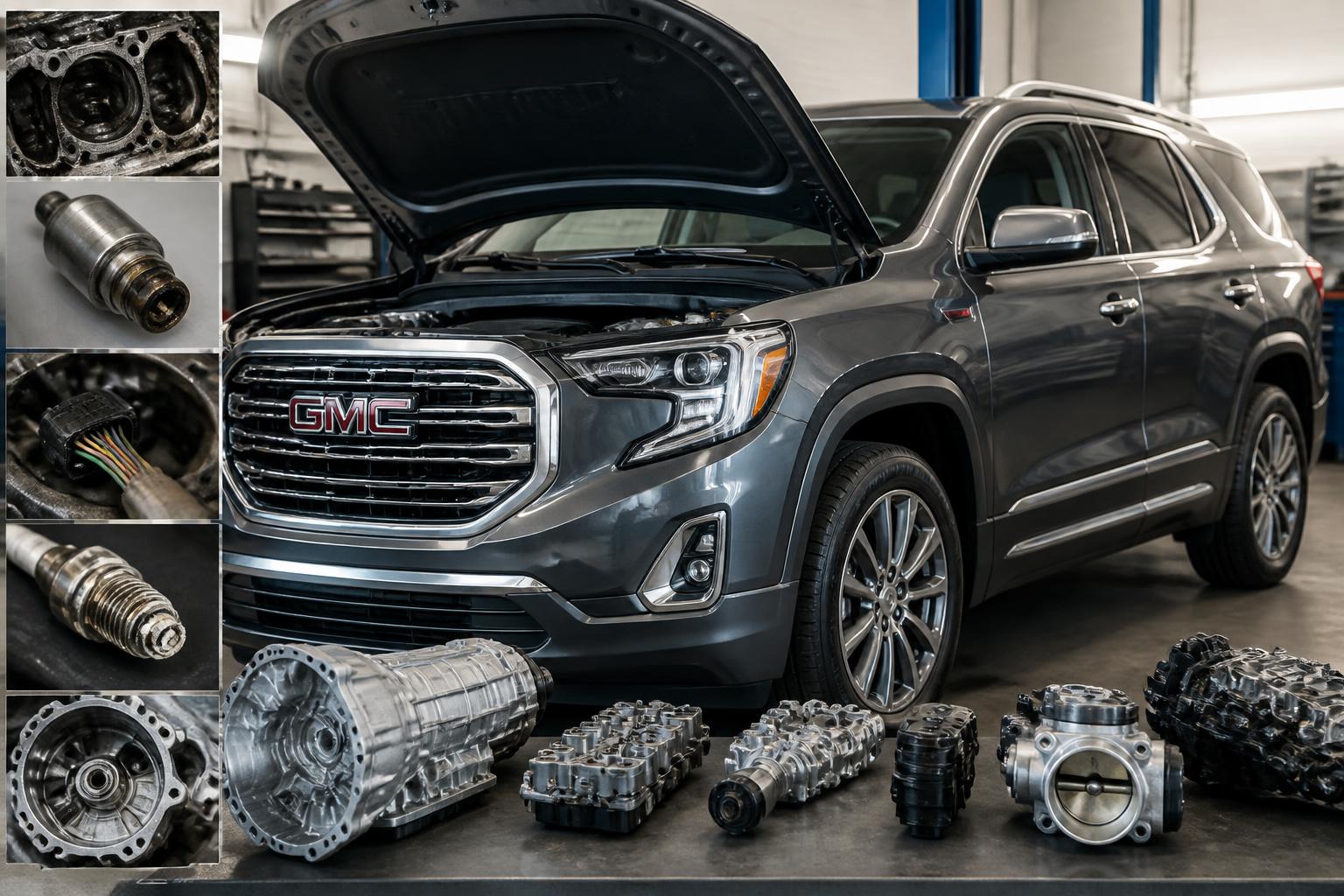
GMC shares its engines, transmissions, and most chassis components with Chevrolet. The AFM lifter failure and 2.4L Ecotec oil consumption described in the Chevrolet section apply equally to GMC models – the Sierra 1500 (AFM V8s) and Terrain (2.4L Ecotec). However, GMC adds trim-specific features that introduce their own failure points. The Denali and AT4 trims include upgraded suspensions, active dampers, and more electrical accessories that can fail independently of the powertrain.
Denali Trim Issues
The Denali package adds magnetic ride control (MRC) dampers, power running boards, and additional sound-deadening electronics. MRC shocks can leak fluid and fail as early as 60,000 miles, with replacement costs of $400–$800 per corner (including labor). Power running board motors seize up in salt-belt states, causing the boards to stop extending. Check for uneven tire wear on Denali models – a failed MRC damper allows excessive body roll, which accelerates outer-edge tire wear.
Verification step after repair: After replacing a leaking MRC shock, drive the truck over a series of bumps at 20–30 mph. The ride should feel controlled with no secondary bouncing. If the truck still wallows over bumps, the replacement shock may not have been properly calibrated to the vehicle’s suspension control module, or a second shock on the same axle is also leaking internally.
Terrain Oil Consumption (Shared with Chevrolet)
The GMC Terrain (2010–2017) with the 2.4L Ecotec suffers the same excessive oil consumption as the Chevrolet Equinox. The diagnostic path is identical: measure oil consumption over 1,000 miles, check for PCV valve failure, and inspect the intake tube for oil residue. GM’s extended warranty on piston assemblies (certain VIN ranges) applies to the Terrain as well. If you catch it early, a PCV valve replacement and a switch to a high-mileage oil can slow consumption. If the engine is already past 100,000 miles and burning a quart every 500 miles, a piston ring replacement or engine rebuild is the only lasting fix.
Sierra 1500: AFM and Transmission Cooler Lines
The Sierra 1500 (2014–2019) with the 6L80 or 8L90 transmission has a known issue with transmission cooler line fittings that corrode and leak at the radiator connection. The fitting is a quick-connect design that traps moisture and road salt. A slow leak can go unnoticed until the transmission loses enough fluid to slip and overheat. Check the connection at the passenger-side radiator tank for pink or reddish fluid residue. Replacing the lines with updated crimp-style fittings (aftermarket fix) eliminates the corrosion point permanently. If the transmission has already been damaged by low fluid, a flush and filter change may not be enough – a full rebuild may be required.
What These Problems Mean for Your Purchase Decision
No American brand is immune to these issues, but knowing which problems affect a specific model year and engine lets you shop with clear inspection points. For Ford, prioritize the 2017-and-later 3.5L EcoBoost (updated timing chain and phaser parts). For Chevrolet and GMC, look for a 5.3L V8 with AFM disabled via a tuner or a 6.2L that has already had lifter work done. For RAM, budget for a coil spring conversion if you are looking at an air-suspension truck. For Jeep, focus on Wranglers with documented suspension component replacements and a clean TIPM service record.
Always run the VIN through the NHTSA recall lookup and check the vehicle’s service history for TSB-related repairs. A pre-purchase inspection by a mechanic familiar with these specific failure modes will save you thousands in unexpected repairs. If you already own one of these vehicles, the verification steps in each section above will help you catch problems early enough to avoid a tow-truck bill.
Explore This Topic
Related guides in this cluster:
- Common Problems Japanese Cars By Brand
- Common Problems European Cars By Brand
- Where Are Cars Built American Brand Manufacturing

Greedy Wheels is the founder and lead editor at Wheels Greed. With over 15 years of hands-on automotive experience — from rebuilding engines in a home garage to managing fleet maintenance for a regional logistics company — he brings real-world mechanical knowledge to every guide.
His work has been featured in automotive forums, owner communities, and dealership training materials. When he’s not researching the latest car owner questions, you’ll find him at a local track day, wrenching on his project car, or testing the newest OBD2 diagnostic tools.
At Wheels Greed, every article is reviewed against manufacturer service manuals, NHTSA bulletins, and verified owner reports. No AI-generated fluff. No guesswork. Just practical answers from someone who has turned the wrench.