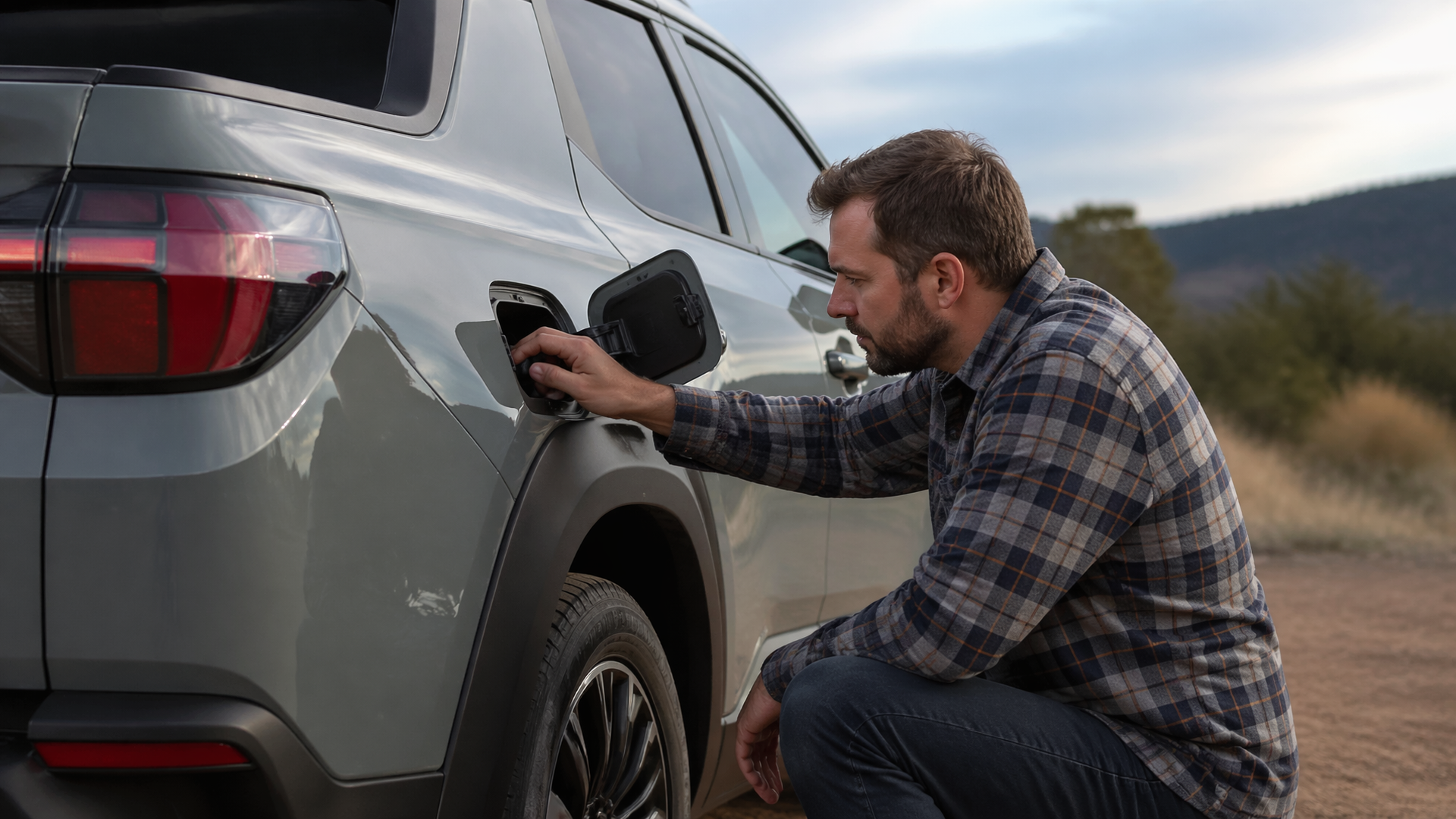
Solving the Mystery: How to Open a Stuck Hyundai Gas Tank Door or Trunk
If your Hyundai’s gas tank door is stuck shut, especially on a model like the 2022 Santa Cruz, it can be frustrating. The most common reason for a stuck gas cover is a mechanical issue with the release lever, cable, or actuator, often caused by dirt, debris, or a misaligned component. Fortunately, there are a few steps you can try to open it yourself before seeking professional help.
Safest First Steps to Free a Stuck Gas Door
Before resorting to more forceful methods, try these gentle approaches. They are designed to dislodge minor obstructions without causing damage.
1. Check the Release Lever: Locate the interior release lever for your gas door. It’s typically found on the floor near the driver’s seat or on the dashboard. Ensure it’s fully pulled or pushed, and try operating it a few times firmly but without excessive force. Sometimes, a slight jiggle can free a sticky mechanism.
2. Listen for the Actuator: When you operate the release lever, listen for any clicking or whirring sounds from the gas door area. This sound indicates the electric actuator is attempting to work. If you hear nothing, the problem might be electrical or a complete mechanical failure.
3. Gentle Manual Pressure: With the release lever engaged, apply gentle, even pressure to the gas door itself. Push lightly on different areas of the door. Sometimes, a slight push can help overcome a minor misalignment that’s preventing it from popping open.
4. Inspect for Obstructions: Visually inspect the perimeter of the gas door for any obvious obstructions like leaves, small stones, or ice. If you find anything, try to carefully remove it with tweezers or a soft brush.
Troubleshooting a Stubborn Gas Door
If the initial steps don’t work, the issue might be more persistent. These steps involve slightly more direct intervention but are still generally safe for a DIY approach.
Accessing the Gas Door Mechanism
On many Hyundai models, including the Santa Cruz, the gas door is operated by a cable or an electric actuator. If the external release isn’t working, you may need to access the mechanism from behind the interior panel.
1. Locate the Interior Panel: The exact location varies by model, but you’ll typically need to remove or partially detach the interior trim panel adjacent to the gas door. For a 2022 Santa Cruz, this might involve the rear passenger-side interior panel.
2. Gently Pry Open the Panel: Use a plastic trim removal tool or a flathead screwdriver wrapped in tape to carefully pry open the panel. Work slowly and deliberately to avoid scratching the paint or breaking clips.
3. Identify the Release Cable/Actuator: Once the panel is open, look for the release mechanism. If it’s a cable system, you’ll see a cable running from the release lever to the gas door latch. If it’s an electric actuator, you’ll see a small motor assembly attached to the latch.
4. Manual Release:
- Cable System: If you find a cable, try to pull it directly with pliers. This simulates the action of the interior lever and may be enough to pop the door open.
- Electric Actuator: If it’s an electric actuator, you may be able to manually disengage the latch by gently pushing or pulling on the actuator’s lever arm. Be cautious not to force it excessively.
What to Do If the Trunk is Stuck
While the gas door mechanism is separate from the trunk, the principles for a stuck trunk are similar.
1. Check the Trunk Release: Ensure you are using the correct interior trunk release lever or button and that it’s fully engaged.
2. Listen for the Actuator: Similar to the gas door, listen for any sound from the trunk latch mechanism.
3. Key Fob and Interior Button: Try operating the trunk release using both the key fob and the interior trunk release button. Sometimes, one method may work when the other doesn’t due to minor electronic glitches.
4. Manual Key Override: If your Hyundai has a physical keyhole for the trunk (often hidden under a small cover), try using the physical key to open it. This bypasses the electronic lock entirely.
5. Access from Inside (if applicable): Some vehicles have an emergency trunk release handle inside the trunk itself. If you can access the trunk from the cabin (e.g., through folding rear seats), this might be an option.
Confirming the Fix and Understanding the Cause
Once you’ve successfully opened the gas door or trunk, it’s crucial to confirm the fix and understand potential causes for recurrence.
- Test the Release: Operate the gas door or trunk release several times to ensure it’s functioning smoothly. Listen for the normal click or pop sound. If it still feels stiff or makes unusual noises, the underlying issue may not be fully resolved.
- Lubricate (Optional): If the mechanism felt stiff, you can apply a small amount of silicone lubricant to the latch and any moving parts. Avoid using oil-based lubricants, as they can attract dirt and grime, potentially leading to future issues.
- Common Reasons for a Stuck Gas Cover:
- Dirt and Debris: Accumulation of dirt, grit, or even ice can physically jam the latch mechanism.
- Misalignment: The gas door or its surrounding components might have become slightly misaligned, preventing the latch from retracting fully.
- Faulty Actuator: The electric actuator responsible for opening the door may have failed.
- Damaged Cable: The release cable could be stretched, kinked, or broken.
- Freezing Temperatures: In very cold weather, moisture can freeze in the latch mechanism, preventing it from opening.
When to Seek Professional Help
If you’ve tried the above steps and are unable to open your Hyundai’s gas door or trunk, or if you suspect a more significant mechanical or electrical issue, it’s time to consult a professional. Forcing the door or latch further could cause more extensive and costly damage. A dealership or a trusted independent mechanic will have the specialized tools and knowledge to diagnose and repair or replace faulty cables, actuators, or latches.

Greedy Wheels is the founder and lead editor at Wheels Greed. With over 15 years of hands-on automotive experience — from rebuilding engines in a home garage to managing fleet maintenance for a regional logistics company — he brings real-world mechanical knowledge to every guide.
His work has been featured in automotive forums, owner communities, and dealership training materials. When he’s not researching the latest car owner questions, you’ll find him at a local track day, wrenching on his project car, or testing the newest OBD2 diagnostic tools.
At Wheels Greed, every article is reviewed against manufacturer service manuals, NHTSA bulletins, and verified owner reports. No AI-generated fluff. No guesswork. Just practical answers from someone who has turned the wrench.