How Many Miles Will a Subaru Outback Typically Last Its Owner?
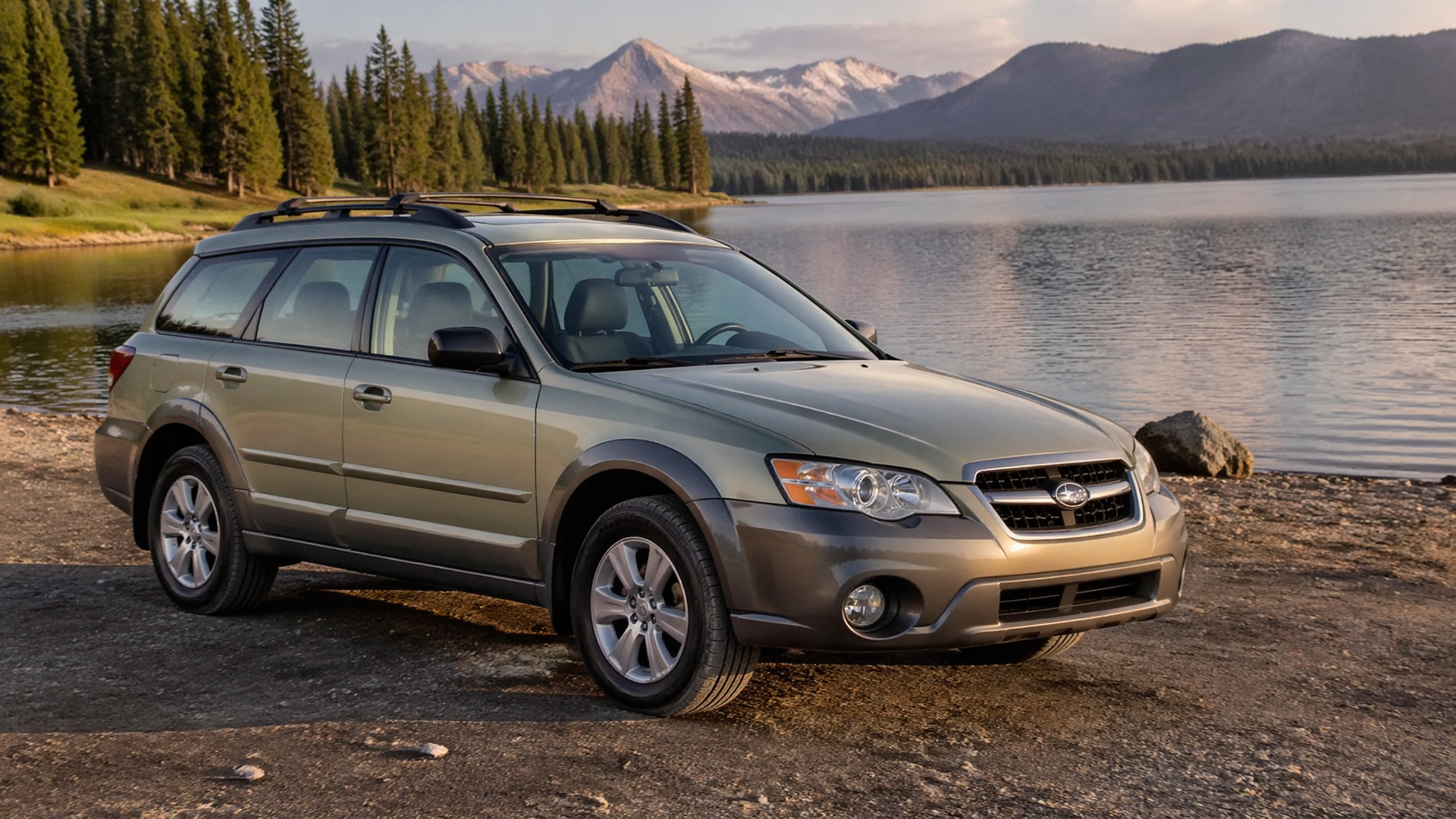
A 2008 Subaru Outback, when subjected to consistent and thorough maintenance, can typically achieve between 200,000 and 300,000 miles. While some owners report their Outbacks surpassing the 300,000-mile mark, reaching such high mileage is directly dependent on adhering to Subaru’s recommended service schedule and promptly addressing any developing issues. Neglecting regular upkeep or delaying repairs can significantly shorten the vehicle’s lifespan.
Understanding the Realistic Lifespan Range
The actual mileage a Subaru Outback will last is subject to many variables, but a common expectation for many owners is reaching around 200,000 miles. This is often the point where major components may start to require attention or replacement, even with diligent care. However, numerous owner accounts and long-term reliability studies indicate that Outbacks can frequently achieve 250,000 to 300,000 miles, with some even exceeding this. The specific driving conditions, the type of engine and transmission installed, and the history of maintenance all significantly influence this upper limit. For example, a 2008 Outback used for mostly highway driving in a temperate climate will likely endure longer than one driven frequently in heavy city traffic or exposed to extreme weather.
Key Factors Influencing Outback Longevity
Several critical elements determine how many miles a Subaru Outback can reliably serve its owner. The most impactful factor is consistent and proactive maintenance. This includes adhering to Subaru’s specified intervals for oil changes with the correct oil, filter replacements, transmission fluid flushes, coolant checks, and spark plug replacements. Beyond routine servicing, the driving environment plays a substantial role. Vehicles operated in regions with harsh winters, heavy road salt usage, or extreme heat conditions may experience accelerated wear on components compared to those in milder climates.
Furthermore, driving habits are a significant contributor. Aggressive acceleration and hard braking can place additional stress on the engine, transmission, and brakes, potentially reducing their operational lifespan. Conversely, smooth driving techniques and allowing the engine adequate time to warm up can contribute to greater overall durability. Lastly, the specific engine and transmission configuration can influence longevity. While Subaru’s Boxer engines are generally known for their robustness, certain generations or specific engine codes may have known vulnerabilities that, if not proactively managed, can affect long-term mileage. Similarly, automatic transmissions, while typically reliable, require diligent fluid maintenance to prevent premature failure.
The Crucial Maintenance Caveat: Addressing Potential Head Gasket Issues
While following the standard maintenance schedule is paramount, there’s a critical caveat for maximizing a Subaru Outback’s lifespan, particularly for models like the 2008: proactively addressing potential head gasket leaks. Certain Subaru engines, including those commonly found in the 2008 Outback, are known to develop head gasket leaks over time. These leaks can lead to coolant loss, engine overheating, and potentially severe engine damage if left unattended. While not every vehicle will encounter this issue, it’s a common enough concern that owners should be vigilant for signs such as white smoke from the exhaust, unexplained coolant loss, or milky oil. Prompt inspection and repair of head gasket issues, though often a significant expense, are substantially less costly than replacing a damaged engine.
Practical Steps to Maximize Your Outback’s Miles
To help your Subaru Outback, whether it’s a 2008 model or a newer iteration, reach its maximum potential mileage, focus on a few key practical steps. Firstly, maintain a comprehensive service log. Keep detailed records of all maintenance performed, including dates, mileage, and the specific work completed. This not only aids in tracking your vehicle’s needs but also adds value if you decide to sell it. Secondly, pay close attention to your vehicle’s signals. Be alert to any unusual noises, vibrations, or changes in performance, and have them inspected by a qualified mechanic without delay.
Early detection of a problem is frequently the most cost-effective solution. Finally, utilize high-quality parts and fluids. When undertaking maintenance or repairs, opt for OEM (Original Equipment Manufacturer) parts or reputable, high-quality aftermarket equivalents recommended for your specific Outback model. This ensures compatibility and durability, directly contributing to the overall health and longevity of your vehicle.
Verifying Proper Maintenance Practices
To confirm that your maintenance efforts are truly benefiting your 2008 Subaru Outback’s lifespan, look for concrete evidence. After a major service, such as a coolant flush or transmission fluid change, check the relevant fluid levels a few days later to ensure they remain stable and at the correct mark. For engine oil changes, note the oil’s appearance on the dipstick; it should be a consistent amber or light brown color, free of any milky or sludgy contaminants, which would indicate internal issues. A mechanic’s invoice detailing the specific fluids and parts used, along with their recommended service intervals, also serves as tangible proof of proper care.
Potential Mismatches and Trade-offs in Longevity
While a well-maintained Outback can last a long time, there are potential trade-offs and mismatches to consider. For example, using generic or incorrect fluid types for the engine or transmission, even if done on schedule, can lead to premature wear. This is a significant trade-off because while you are performing maintenance, the wrong fluids can cause internal damage over time, negating the benefits. Another mismatch can occur if you rely on a mechanic who is not familiar with Subaru’s specific Boxer engine architecture or head gasket designs. Incorrect diagnostic procedures or repairs can lead to recurring problems or even exacerbate existing ones, potentially shortening the vehicle’s life more than no repair at all.
When to Consider Escalation or Replacement
If your 2008 Subaru Outback begins exhibiting persistent symptoms like recurring overheating after a coolant service, significant oil consumption that can’t be traced to simple leaks, or transmission performance issues that don’t resolve after fluid changes, it might be time to consult a specialist or consider replacement. For instance, if a mechanic cannot definitively diagnose the cause of persistent head gasket symptoms or if the cost of repairs for major components like the engine or transmission begins to approach the vehicle’s current market value, it signals that further investment may not be economically sound. At this point, continuing to pour money into repairs could become a losing proposition compared to investing in a more reliable, newer vehicle.
Explore This Topic
- How Many Miles Is A Subaru Outback Typically Good For
- How Long Do Subaru Outback Vehicles Last
- How Long Will A Subaru Outback Usually Last

Greedy Wheels is the founder and lead editor at Wheels Greed. With over 15 years of hands-on automotive experience — from rebuilding engines in a home garage to managing fleet maintenance for a regional logistics company — he brings real-world mechanical knowledge to every guide.
His work has been featured in automotive forums, owner communities, and dealership training materials. When he’s not researching the latest car owner questions, you’ll find him at a local track day, wrenching on his project car, or testing the newest OBD2 diagnostic tools.
At Wheels Greed, every article is reviewed against manufacturer service manuals, NHTSA bulletins, and verified owner reports. No AI-generated fluff. No guesswork. Just practical answers from someone who has turned the wrench.