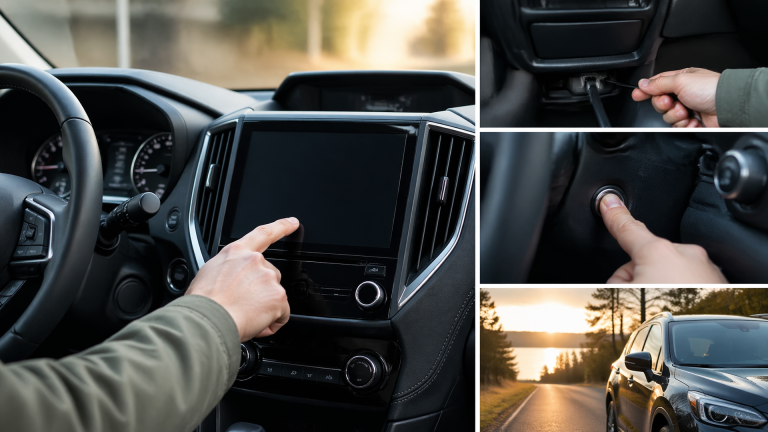
How to Turn Off Subaru Seatbelt Chime Safely
If you’ve ever found the Subaru seatbelt chime annoying, you’re not alone. Many drivers want to disable it for a quieter ride, but it’s essential to understand the functionality behind it first. Before you proceed, it’s crucial to consider the safety implications of turning off this reminder. In this guide, you’ll find everything you need, from tools to step-by-step instructions, to help you silence that chime. Let’s dive in and explore how you can customize your driving experience without compromising safety.
Understanding the Seatbelt Chime Functionality
Understanding the seatbelt chime functionality can help you navigate your driving experience more effectively. You might find it useful to know why the chime activates and the safety implications it carries. Additionally, there are customization options available if you wish to adjust the chime to suit your preferences.
Seatbelt Chime Purpose
The purpose of the seatbelt chime is to remind you to buckle up for your safety while driving. It serves as a crucial alert when you’re on the road without your seatbelt fastened. This chime is designed to encourage safe driving habits and reduce the risk of injury. Ignoring it could lead to serious consequences in the event of an accident. Ultimately, it’s there to protect you and enhance your overall driving experience.
Chime Activation Process
Chime activation occurs when your seatbelt isn’t fastened, reminding you to buckle up for safety. It typically starts a few seconds after you begin driving without your seatbelt. You’ll hear a series of beeps until you either buckle up or turn off the ignition. If you’re in a hurry, you might find it annoying, but it’s designed to keep you safe. Understanding this process can help you decide whether to modify the chime settings in your Subaru.
Safety Implications
Safety implications of not wearing a seatbelt can be severe, and you should always prioritize your protection while driving. You risk serious injury or even fatality in the event of an accident. Many states enforce seatbelt laws, and failing to comply can lead to fines. Additionally, unbuckled passengers can become projectiles, endangering others in the vehicle. As you consider your driving habits, you might also explore the customization options available to fine-tune the seatbelt chime.
Customization Options Available
Customization options for your seatbelt chime can make your driving experience more tailored to your needs. You can choose to adjust the volume or even change the tone of the chime itself. Some vehicles allow you to entirely disable the chime when seatbelts aren’t fastened. If you’re looking for a less intrusive reminder, you might find various alternatives that suit your style. However, it’s essential to consider safety implications before deciding to disable the chime altogether.
Safety Considerations Before Disabling the Chime
Before you decide to disable the seatbelt chime, you should think about the potential safety risks involved. It’s also important to be aware of the legal implications of disabling such features in your vehicle. By considering these factors, you can make a more informed choice moving forward.
Safety Risks Involved
Ignoring the seatbelt chime can lead to increased risk of injury in the event of an accident. You might find yourself more likely to forget to buckle up, which can have serious consequences. Disabling the chime could create a false sense of security, making you think it’s safe to drive without your seatbelt. Additionally, not wearing a seatbelt increases the chances of severe injuries or fatalities in collisions. As you consider these safety risks, it’s also crucial to understand the legal implications of disabling such features in your vehicle.
Legal Implications of Disabling
Disabling the seatbelt chime could lead to legal repercussions that you might not have considered. You could face fines or penalties if you’re pulled over and found to be in violation of seatbelt laws. Insurance companies may also deny claims if they determine that disabling safety features contributed to an accident. In some regions, tampering with safety systems can even result in more severe legal consequences. It’s crucial to understand the laws in your area before making any modifications to your vehicle’s safety features.
Tools You’ll Need for the Process
Before diving into the process, you’ll want to gather a few essential tools to make things easier. Having the right equipment on hand ensures a smoother experience and keeps you safe while working. Let’s take a look at the specific tools you’ll need for this task.
Required Tools Overview
The required tools you’ll need for this task include basic hand tools, safety gear, and any specialized equipment specific to your project. You’ll want to have screwdrivers, pliers, and a socket set handy. Don’t forget to wear safety goggles and gloves to protect yourself during the process. If your project requires it, a code reader may also come in handy. Now, let’s move on to the essential equipment checklist to ensure you’ve got everything covered.
Essential Equipment Checklist
Your essential equipment checklist should include all the necessary items to ensure you’re fully prepared for the task ahead. You’ll need a flathead screwdriver to access the seatbelt chime mechanism. A pair of pliers may also come in handy for any stubborn components. Don’t forget to have a flashlight nearby, as it’ll help you see better in tight spaces. Lastly, having a user manual for your Subaru can provide valuable information during the process.
Safety Gear Recommendations
Safety gear is crucial for ensuring you stay protected while working on this project. You should wear safety goggles to shield your eyes from any debris or sparks. Don’t forget to use gloves to protect your hands from sharp edges or electrical components. A dust mask is also a good idea, especially if you’re working in a confined space. Lastly, consider wearing sturdy footwear to prevent any injuries from falling tools or equipment.
Optional Tools for Ease
Optional tools can really enhance your workflow and make tasks more manageable. You might find a small screwdriver handy for accessing certain parts of your car. A flashlight can help you see better in tight spaces while you work. Having a pair of pliers can assist in removing any stubborn clips or connectors. Finally, a digital camera or smartphone can be useful for documenting the process if you want to refer back to it later.
Step-by-Step Guide to Turn Off the Chime
Now that you’ve gathered your tools, you’re ready to tackle the task at hand. Follow this step-by-step guide to turn off the chime, making your driving experience more enjoyable. Let’s dive into the points you need to cover.
Locate the Seatbelt Chime
Finding the seatbelt chime is essential for understanding how to disable it. You’ll want to locate the chime module, typically found near the driver’s side seatbelt. It’s often connected to the seatbelt latch and the vehicle’s onboard computer. Once you’ve found it, you’ll need to access the wiring harness. Be careful and ensure you’ve got the right tools for the job.
Disable the Chime
Disabling the chime can greatly enhance your driving comfort and reduce distractions. First, you’ll need to turn your ignition to the "on" position without starting the engine. Then, buckle and unbuckle your seatbelt three times within a few seconds. After that, you should hear a confirmation sound indicating the chime’s been disabled. Finally, turn off the ignition and restart your vehicle to ensure the changes took effect.
Test the Settings
Testing the settings ensures that the chime is completely off and your vehicle operates as you prefer. After you’ve made the adjustments, it’s crucial to double-check everything. Start your car and buckle your seatbelt to see if the chime activates. If it stays silent, you’ve successfully turned it off. Enjoy your peaceful drives without the distraction.
Alternative Methods for Disabling the Chime
If you’re looking for alternative methods for disabling the chime, you’ve got a couple of options at your disposal. You can explore using your vehicle settings, or if you’re feeling a bit more hands-on, consider disconnecting the chime speaker. Both methods can provide you with a quieter driving experience.
Using Vehicle Settings
Using your vehicle settings can make it easy to adjust the chime volume or turn it off completely. You can navigate through the settings menu on your dashboard, making it simple to find the audio options. Once there, you’ll see the option for seatbelt chime adjustments. Just follow the prompts to customize the sound to your liking. If you want a more permanent solution, you might consider disconnecting the chime speaker.
Disconnecting Chime Speaker
Disconnecting the chime speaker can be a straightforward way to eliminate those annoying sounds while driving. You’ll need to locate the speaker, usually found under the dashboard or near the seatbelt mechanism. Once you find it, gently disconnect the wiring harness from the speaker. Remember to keep the wiring safe in case you want to reconnect it later. After you’ve done this, enjoy a more peaceful ride without the constant reminders.
Troubleshooting Common Issues
When you’re dealing with the seatbelt chime in your Subaru, you might encounter a few common issues. It’s essential to identify the root cause before attempting any fixes. Let’s dive into some potential troubleshooting points you can explore.
Seatbelt Sensor Malfunction
A seatbelt sensor malfunction can lead to the chime sounding even when the seatbelt is fastened properly. You might notice this issue especially if the sensor is dirty or damaged. It can be frustrating to hear the chime when you’re safely buckled in. Ignoring this problem may cause further annoyance while driving. To resolve this, it’s important to understand the chime reset procedure.
Chime Reset Procedure
The chime reset procedure for your Subaru is straightforward and can help silence that annoying sound. First, you’ll need to buckle and unbuckle your seatbelt three times within a span of 10 seconds. After that, turn on the ignition without starting the engine. Then, press the gas pedal three times while the ignition is on. Finally, turn off the ignition to complete the reset.
Wiring Connection Problems
Wiring connection problems can often lead to issues with the seatbelt chime not functioning properly in your Subaru. If you notice the chime’s failure to sound, it might be worth checking the wiring harness. Loose or damaged connections can interrupt the chime’s circuit. Sometimes, corrosion can also impact the electrical flow, causing the chime to malfunction. If you find that the wiring is the issue, you may need to restore the chime if needed.
Restoring the Chime If Needed
If you find that the chime isn’t working as it should, you might need to restore it to its factory settings. You’ll want to start by checking the chime functionality and ensuring everything’s in order. After that, reconnecting the seatbelt sensors can help, followed by testing the system after any adjustments.
Restoring Factory Settings
Restoring factory settings can often resolve persistent issues with your chime. You’ll need to access the settings menu in your vehicle’s system. Once there, look for the option to reset or restore to factory settings. After you’ve confirmed the reset, check the chime functionality again. This process should help clear up any glitches you might be experiencing.
Checking Chime Functionality
Checking chime functionality can help you determine whether any adjustments are necessary. You should buckle and unbuckle your seatbelt to see if the chime activates. If it doesn’t, you might need to inspect the seatbelt sensors. Testing your vehicle’s settings can also reveal any issues with the chime. Finally, ensuring everything’s properly connected will give you peace of mind.
Reconnecting Seatbelt Sensors
Reconnecting seatbelt sensors ensures that your vehicle’s safety features are fully operational. You’ll need to access the seatbelt connectors under the seats. Make sure you’ve got the right tools to avoid damaging any components. Once everything’s reconnected, it’s a good idea to test the system to confirm it’s working properly. You can then enjoy the peace of mind that comes with knowing your safety features are intact.
Testing After Adjustments
Testing after adjustments is crucial to ensure everything’s functioning properly and that you haven’t missed any issues. You should buckle and unbuckle the seatbelt a few times to see if the chime activates as expected. If it doesn’t, double-check your connections and settings. It’s important to drive a short distance with the seatbelt on to test the system under real conditions. Finally, don’t forget to verify that all chimes and alerts are responding as they should.
Final Thoughts on Seatbelt Safety and Convenience
When it comes to seatbelt safety, you can’t overlook its critical role in protecting you during a drive. However, you might find yourself juggling the need for safety with the convenience of driving without distractions. Let’s explore the importance of seatbelt use and how to balance it with your desire for convenience.
Importance of Seatbelt Use
The importance of wearing a seatbelt can’t be underestimated, as it significantly reduces the risk of injury in the event of an accident. You’re not just protecting yourself; you’re also safeguarding your passengers. In many places, wearing a seatbelt is a legal requirement, and for good reason. Ignoring this simple act can lead to severe consequences, both financially and physically. While seatbelts are crucial for safety, you might also find yourself wanting to balance that with convenience as you drive.
Balancing Safety and Convenience
Balancing safety and convenience can be challenging, especially when you’re in a hurry. You might feel tempted to skip buckling up just to save a few seconds. Yet, those moments can lead to serious consequences on the road. It’s essential to remember that your safety shouldn’t be compromised for convenience. Finding ways to streamline your routine can help you prioritize both without sacrificing either.
Frequently Asked Questions
Will disabling the seatbelt chime affect my vehicle warranty?
Disabling the seatbelt chime typically won’t affect your vehicle warranty, but it’s always best to check your owner’s manual or consult with your dealer to be sure. They can provide you with the specific details regarding warranty implications for your particular model.
Can i turn the chime back on after i disable it?
Yes, you can turn the chime back on after you’ve disabled it. Just follow the same process you used to turn it off, and you’ll be able to restore it easily.
Is there a way to temporarily silence the chime without disabling it?
Yes, you can temporarily silence the chime by simply buckling the seatbelt for a brief moment and then unbuckling it. This way, you won’t have to disable it completely, and the chime will resume as normal afterward.
If you’re looking to enhance your car ownership experience, you might find it helpful to learn how to open a Ford Fusion key fob. This simple guide provides step-by-step instructions to ensure you can access your key fob with ease. Check it out here: how to open key fob ford fusion.
Explore This Topic
- Turning Off The Back Seat Seatbelt Alarm In A Subaru
- How To Turn Off The Rear Seatbelt Alarm In A Subaru
- Turning Off The Security Indicator Light In A Subaru

Greedy Wheels is the founder and lead editor at Wheels Greed. With over 15 years of hands-on automotive experience — from rebuilding engines in a home garage to managing fleet maintenance for a regional logistics company — he brings real-world mechanical knowledge to every guide.
His work has been featured in automotive forums, owner communities, and dealership training materials. When he’s not researching the latest car owner questions, you’ll find him at a local track day, wrenching on his project car, or testing the newest OBD2 diagnostic tools.
At Wheels Greed, every article is reviewed against manufacturer service manuals, NHTSA bulletins, and verified owner reports. No AI-generated fluff. No guesswork. Just practical answers from someone who has turned the wrench.