How to Read a Subaru Oil Dipstick Correctly
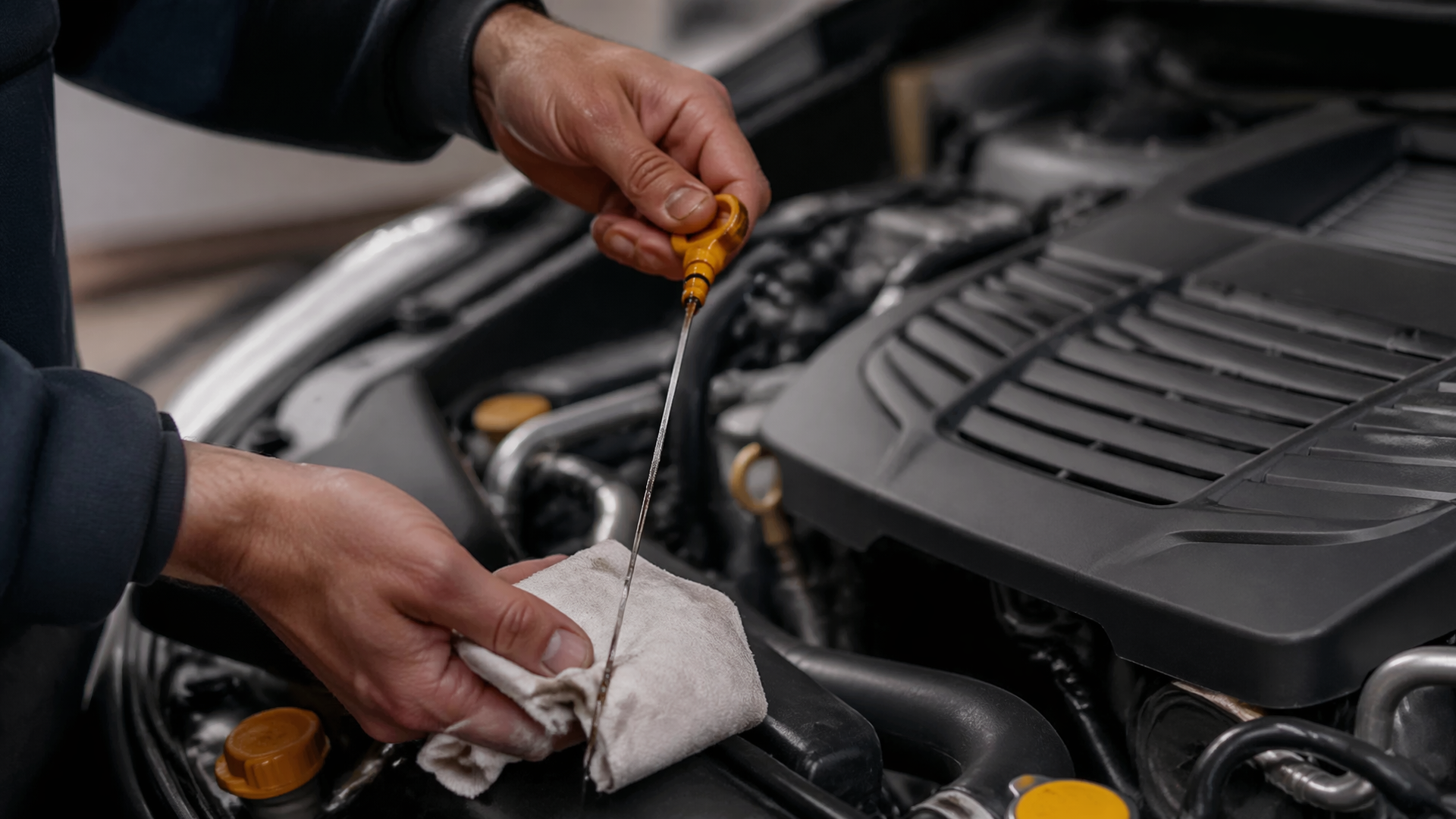
To accurately check your Subaru’s engine oil level, ensure the engine has been turned off for at least 5-10 minutes to allow the oil to drain back into the oil pan. Locate the oil dipstick, which typically has a brightly colored handle (often yellow or orange), pull it out completely, and wipe it clean with a lint-free cloth. Reinsert the dipstick fully, then pull it out again to read the oil level. The oil mark should be between the two indicators on the end of the dipstick, ideally closer to the upper mark. If the oil level appears significantly low or high, or if the reading is inconsistent, further investigation may be needed.
Preparing Your Subaru for an Accurate Oil Reading
Before you can get a reliable reading on your Subaru’s oil dipstick, the engine needs to be in a specific state. It’s crucial that the engine is warm but not hot, and that you allow sufficient time for the oil to settle.
Engine Warmth and Settling Time
Start your Subaru and let the engine run for about 5-10 minutes. This warms the oil, making it flow more freely and providing a more accurate representation of the level within the oil pan. Once the engine is turned off, wait for at least 5 to 10 minutes. This waiting period is critical. It allows the oil circulating throughout the engine to drip back down into the oil pan, preventing an artificially low reading. For a Subaru Ascent, for example, this settling time is just as important as for smaller sedans.
The Step-by-Step Oil Dipstick Check
Following a precise sequence ensures you get a clear and accurate reading of your Subaru’s engine oil level. Each step is designed to eliminate variables that could lead to misinterpretation.
Locating and Removing the Dipstick
The oil dipstick is usually found on the side of the engine block and is easily identifiable by its brightly colored handle, often yellow or orange, to make it stand out. Grasp the handle firmly and pull the dipstick straight out of its tube. Be prepared for a small amount of oil to be present on the end.
Cleaning and Reinserting the Dipstick
Once the dipstick is removed, take a clean, lint-free cloth or paper towel and thoroughly wipe the entire length of the dipstick, paying close attention to the end where the level markings are located. This step is vital to remove any residual oil that could skew your reading. After wiping, carefully reinsert the dipstick all the way back into its designated tube until it is fully seated.
Reading the Oil Level
Pull the dipstick out again, this time holding it horizontally so you can clearly see the oil mark. Look at the very end of the dipstick. You will see two marks or notches, often labeled ‘L’ (Low) and ‘F’ (Full), or sometimes represented by dots or crosshatching. The ideal oil level is between these two marks, with the oil film reaching as close to the ‘F’ mark as possible without going over. If the oil level is at or below the ‘L’ mark, your engine is low on oil. If it’s above the ‘F’ mark, it may be overfilled, which can also cause issues.
Troubleshooting Common Dipstick Reading Issues
Sometimes, the oil on the dipstick might not present a clear reading, requiring a bit of detective work to understand what’s happening.
Dealing with Smeared or Inconsistent Readings
If the oil mark on the dipstick appears smeared, wavy, or inconsistent, it often indicates that the engine was not given enough time to settle after being turned off, or that the dipstick was not fully reinserted in the previous step. In such cases, repeat the cleaning and reinsertion process, ensuring you wait the full 5-10 minutes after turning off the engine. A smeared reading can also occur if the dipstick tube itself has an issue, though this is less common. For a model like the Subaru Outback, a consistent oil film is expected.
When to Recheck Your Oil Level
If you’ve added oil or if the reading was low, recheck the oil level after running the engine for a few minutes and allowing it to settle again. This confirms that the added oil has distributed properly. It’s also wise to recheck your oil level periodically, especially before long trips, or if you notice any new engine noises or warning lights.
When to Seek Professional Assistance
While reading your Subaru’s oil dipstick is a straightforward maintenance task, there are times when the situation warrants professional attention.
If you consistently get readings that are significantly low despite adding oil, or if you notice oil leaks under your vehicle, it’s important to have your Subaru inspected by a qualified mechanic. Similarly, if the dipstick handle feels loose, the dipstick tube appears damaged, or if you are unsure about the readings even after following these steps, a Subaru dealership or a trusted mechanic can provide expert diagnosis and service.

Greedy Wheels is the founder and lead editor at Wheels Greed. With over 15 years of hands-on automotive experience — from rebuilding engines in a home garage to managing fleet maintenance for a regional logistics company — he brings real-world mechanical knowledge to every guide.
His work has been featured in automotive forums, owner communities, and dealership training materials. When he’s not researching the latest car owner questions, you’ll find him at a local track day, wrenching on his project car, or testing the newest OBD2 diagnostic tools.
At Wheels Greed, every article is reviewed against manufacturer service manuals, NHTSA bulletins, and verified owner reports. No AI-generated fluff. No guesswork. Just practical answers from someone who has turned the wrench.