
Subaru 60,000 Mile Service: What’s Included?
Your Subaru’s 60,000-mile service is a crucial maintenance interval designed to proactively address wear and tear, ensuring your vehicle’s continued reliability and safety. This comprehensive service typically involves a detailed inspection of numerous systems and the replacement of key components that are nearing the end of their service life. Ignoring this service can lead to premature component failure, reduced fuel efficiency, and more significant repair costs down the road.
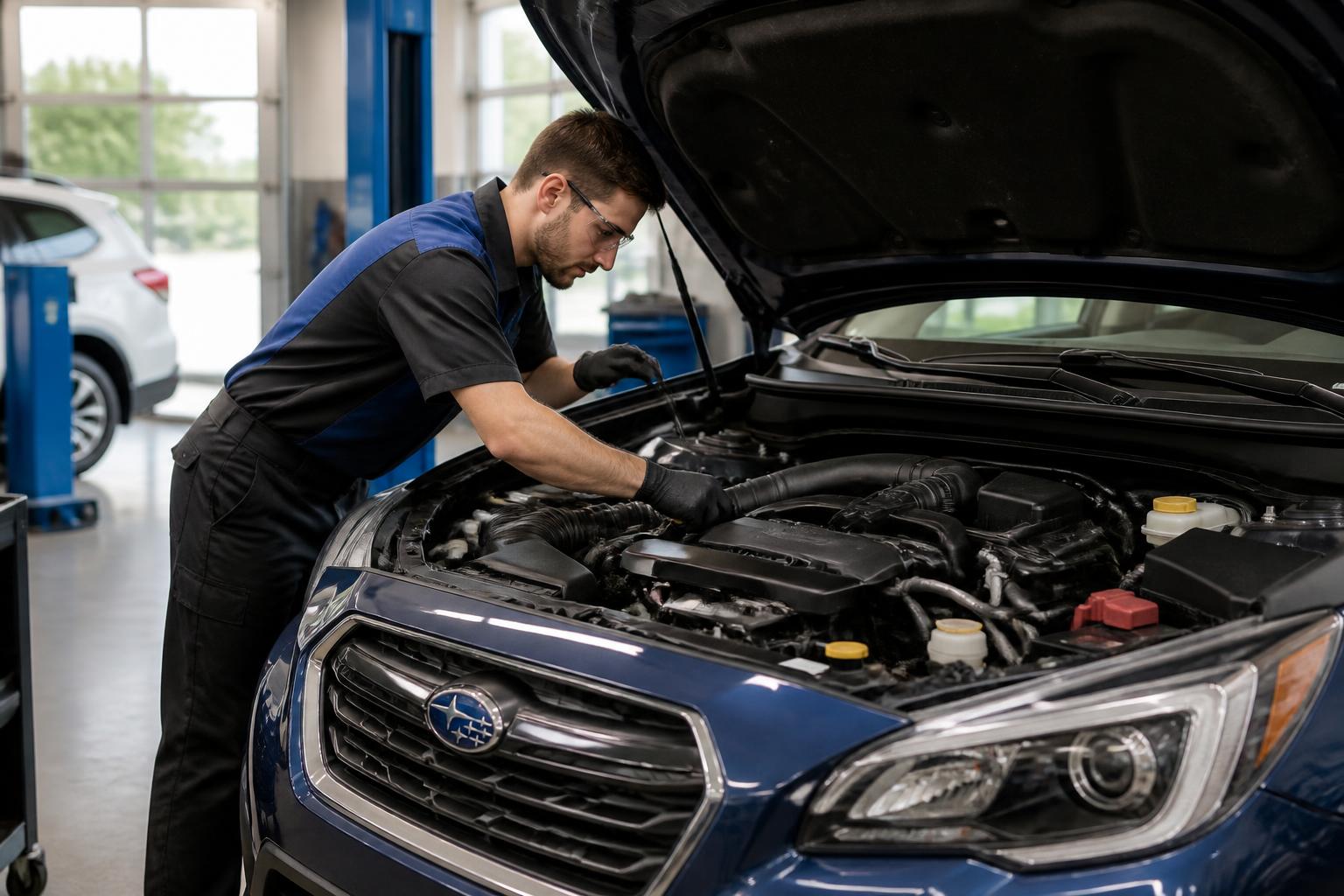
Core Components Inspected and Replaced
The 60,000-mile service is not only an oil change; it’s a deep cover your vehicle’s health. While specific items can vary slightly by model year and trim, Subaru generally recommends a thorough check of major systems and the replacement of essential wear items.
Engine and Drivetrain Vital Checks
At this mileage, attention turns to the engine’s breathing and ignition. This typically includes replacing the spark plugs, which are vital for efficient combustion and optimal fuel economy. The engine air filter is usually swapped out to ensure your engine receives clean air. For models equipped with automatic transmissions, the transmission fluid and filter are often replaced to maintain smooth shifting and prolong transmission life. If your Subaru has a manual transmission or specific drivetrain components, their fluids (like differential fluid) will be inspected and potentially changed as well.
Brake System Integrity Assessment
The safety of your Subaru heavily relies on its braking system, making it a key focus at 60,000 miles. Technicians will inspect the brake pads and rotors for wear, measuring them against minimum thickness specifications. Brake fluid is checked for moisture content and condition; if it’s degraded, a brake fluid flush and replacement will be recommended to ensure optimal braking performance and prevent corrosion within the system. All brake lines and hoses are also examined for leaks or damage.
Suspension and Steering Linkage Examination
To ensure your Subaru handles correctly and provides a comfortable ride, suspension and steering components are thoroughly inspected. This includes checking for play or wear in ball joints, tie rod ends, and other steering linkage parts. The condition of your shocks and struts will be assessed for leaks or signs of weakening, which can impact ride quality and tire wear. The power steering system will also be checked for any leaks or operational issues.
Other Essential Maintenance Items
Beyond the primary systems, several other maintenance tasks are commonly performed. The cabin air filter is typically replaced to ensure clean air circulates inside your vehicle. The serpentine belt, which drives accessories like the alternator and power steering pump, will be inspected for cracks or excessive wear and replaced if necessary. A coolant flush and replacement might also be recommended to maintain the cooling system’s efficiency and prevent overheating or corrosion.

When to Seek Immediate Professional Diagnosis
While the 60,000-mile service covers routine checks, certain symptoms indicate a more urgent issue that requires immediate attention from a qualified technician, potentially before or during the scheduled service.
Recognizing Potential Failure Points
If you experience any unusual noises from your vehicle, such as grinding, knocking, or persistent whining, especially when braking, accelerating, or turning, it’s a strong indicator of a problem. A spongy or soft brake pedal, or a noticeable increase in stopping distance, suggests an issue within the braking system that needs immediate review. Any visible fluid leaks under your car, particularly if the fluid is bright red (transmission fluid) or has a sweet smell (coolant), should not be ignored. Dashboard warning lights, such as the check engine light or brake warning light, are direct signals from your car’s computer that something requires investigation.
Branching Action: If you notice any of these warning signs, it’s best to schedule an inspection with your Subaru service center immediately. While some might be addressed during the 60,000-mile service, others may require a dedicated diagnostic appointment to prevent further damage or ensure your safety.

Verifying Successful Service Completion
After your Subaru’s 60,000-mile service is completed, it’s important to confirm that all necessary work has been performed and that your vehicle is functioning as expected.
Confirming Service and Performance
Request a detailed invoice that clearly lists all parts replaced and labor performed. This document serves as proof of service and is essential for your vehicle’s maintenance records. After driving your Subaru, pay attention to how it feels. The engine should run smoothly, acceleration should be responsive, and the brakes should engage firmly and quietly. Listen for any unusual noises that weren’t present before the service. If you have any lingering concerns or notice any new issues after the service, contact the service provider promptly to discuss them.
A properly performed 60,000-mile service is an investment in your Subaru’s long-term health and performance.
Explore This Topic

Greedy Wheels is the founder and lead editor at Wheels Greed. With over 15 years of hands-on automotive experience — from rebuilding engines in a home garage to managing fleet maintenance for a regional logistics company — he brings real-world mechanical knowledge to every guide.
His work has been featured in automotive forums, owner communities, and dealership training materials. When he’s not researching the latest car owner questions, you’ll find him at a local track day, wrenching on his project car, or testing the newest OBD2 diagnostic tools.
At Wheels Greed, every article is reviewed against manufacturer service manuals, NHTSA bulletins, and verified owner reports. No AI-generated fluff. No guesswork. Just practical answers from someone who has turned the wrench.