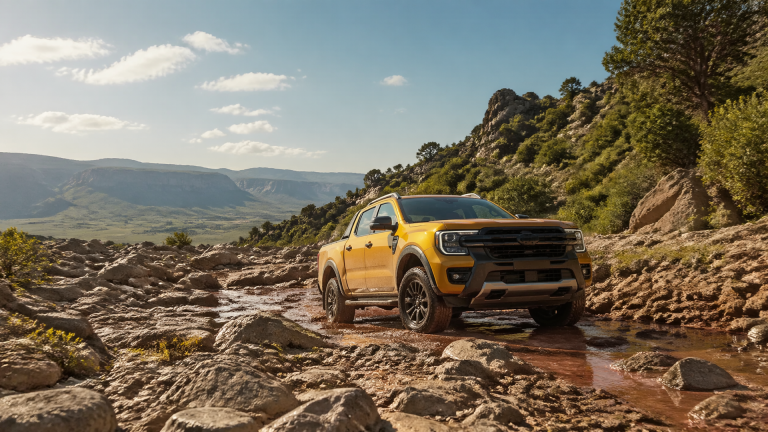
Honda CR-V: Is it Really Four-Wheel Drive? Explained
In the realm of modern SUVs, the distinction between all-wheel drive (AWD) and four-wheel drive (4WD) is often a source of confusion for consumers. The Honda CR-V, a popular choice among compact SUVs, is frequently scrutinized regarding its drivetrain capabilities and whether it qualifies as a true four-wheel drive vehicle. This article aims to clarify the technical differences between AWD and 4WD, while specifically examining the Honda CR-V’s all-wheel drive system. We will explore its performance in various driving conditions, including off-road scenarios, to assess its true capabilities. Additionally, user experiences and alternatives will be considered to help prospective buyers make informed decisions tailored to their specific needs.
Understanding Drivetrain Terminology
Drivetrain terminology encompasses various systems and configurations that dictate how power is distributed to the wheels of a vehicle, influencing both performance and off-road capability. Key components include the transmission, differential, and axle assemblies, which work in conjunction to transfer engine power effectively. The term "all-wheel drive" (AWD) refers to a system that provides power to all four wheels, enhancing traction on diverse surfaces. In contrast, "four-wheel drive" (4WD) typically implies a more robust system designed for off-road use, featuring low-range gearing for challenging terrains.
Another important distinction is between full-time and part-time four-wheel drive systems, with the former constantly sending power to all wheels, while the latter requires driver engagement. The transfer case serves as a critical element in 4WD systems, allowing the selection between different drive modes. Additionally, the concept of torque vectoring can optimize power distribution between wheels for improved handling.
Differentials play a vital role in allowing wheels to rotate at different speeds, particularly during turns, thus enhancing vehicle stability. Understanding drivetrain terminology is crucial for evaluating a vehicle’s capability in various driving conditions. Furthermore, the configuration of the drivetrain can significantly impact fuel efficiency and performance characteristics. Finally, familiarity with these terms aids consumers in making informed decisions when selecting a vehicle that meets their specific needs.
The Honda CR-V’s All-Wheel Drive System
The Honda CR-V’s all-wheel drive system enhances traction and stability, making it well-suited for various driving conditions. This system is designed to automatically distribute power between the front and rear wheels as needed. In normal driving situations, the CR-V primarily operates in front-wheel drive to maximize fuel efficiency. When the system detects wheel slip or loss of traction, it can seamlessly transfer power to the rear wheels. This proactive approach helps maintain control during adverse weather conditions, such as rain or snow.
The all-wheel drive system in the CR-V also aids in off-road scenarios, providing additional confidence for light trail use. It features a Real Time AWD with Intelligent Control System, which monitors driving conditions continuously. Drivers can expect enhanced cornering stability and reduced understeer when navigating winding roads. Unlike traditional four-wheel drive systems, the CR-V’s all-wheel drive does not require driver intervention. The system is designed to be user-friendly, allowing for a worry-free driving experience. Overall, the Honda CR-V’s all-wheel drive system exemplifies modern engineering, balancing performance with practicality.
Comparing All-Wheel Drive and Four-Wheel Drive
Comparing all-wheel drive and four-wheel drive reveals significant differences in their design and functionality, particularly in terms of traction management and intended use. All-wheel drive (AWD) systems are typically designed for on-road use and are optimized for a variety of driving conditions, providing power to all four wheels automatically. In contrast, four-wheel drive (4WD) systems are engineered for off-road conditions and often require manual engagement for optimal performance. AWD systems utilize a center differential to distribute power between the front and rear wheels, allowing for seamless transitions. Conversely, 4WD systems often feature low-range gearing, which enhances torque for challenging terrain.
The intended use of each system further distinguishes them; AWD is suitable for inclement weather and light off-road scenarios, while 4WD excels in rugged environments. AWD systems tend to be lighter and more fuel-efficient due to their simpler design and automatic operation. In contrast, 4WD systems are generally heavier and can be less economical, given their robust construction and additional components. Maintenance requirements also differ, with AWD systems requiring less frequent service compared to the more complex 4WD systems. Moreover, the driving experience varies, as AWD tends to offer a smoother ride on paved roads, while 4WD provides increased control in adverse conditions. Ultimately, understanding these differences is crucial for consumers when selecting a vehicle that meets their driving needs.
Performance in Various Driving Conditions
Performance in various driving conditions highlights the Honda CR-V’s ability to adapt to both urban environments and off-road scenarios, showcasing its versatility and reliability. The vehicle’s all-wheel-drive system is designed to enhance traction on slippery surfaces, making it suitable for rain-soaked streets and light snow. In urban settings, the CR-V demonstrates agility and responsiveness, ensuring a smooth driving experience in traffic. When faced with rough terrain, the CR-V’s ground clearance and strong suspension contribute to its off-road capabilities.
The intelligent traction management system allows the CR-V to optimize performance based on the driving conditions, ensuring stability and control. Moreover, the vehicle’s robust engine provides adequate power for both highway merging and navigating steep inclines. Drivers can confidently tackle winding roads, as the CR-V maintains composure and poise. Its well-designed interior and ample cargo space further enhance its practicality for both everyday use and weekend adventures.
Additionally, the CR-V’s fuel efficiency remains commendable across varied driving conditions, making it an economical choice for consumers. With a focus on safety, advanced driver-assistance systems provide added security in unpredictable environments. Ultimately, the Honda CR-V stands out as a reliable option for those seeking versatility in their driving experience.
Off-Road Capabilities of the Honda CR-V
Off-road capabilities of the Honda CR-V are enhanced by its all-wheel drive system, which provides improved traction and stability on various terrains. The vehicle’s Intelligent All-Wheel Drive system automatically adjusts power distribution based on road conditions. This feature allows the CR-V to maintain control on slippery surfaces, such as mud or snow. Additionally, the ground clearance of the CR-V enables it to navigate over obstacles with relative ease. The vehicle’s robust suspension system contributes to a smooth ride, even on uneven ground.
The CR-V’s rugged design, including protective underbody features, further supports off-road endeavors. Equipped with a potent engine, the Honda CR-V delivers sufficient power to tackle challenging landscapes. Its compact size allows for better maneuverability in tight spots, making it suitable for various off-road environments. Moreover, the CR-V’s versatile cargo space can accommodate outdoor gear for enthusiasts. While it excels in many off-road situations, potential buyers should consider its limitations compared to more dedicated four-wheel drive vehicles. Overall, the Honda CR-V offers a balanced approach to off-road driving, appealing to those seeking a blend of capability and everyday practicality.
User Experiences and Reviews
User experiences and reviews often highlight the Honda CR-V’s capability in various driving conditions, raising questions about its true four-wheel drive status. Many users commend its handling during inclement weather, particularly in rain and light snow. Reviews frequently note the effectiveness of the all-wheel-drive system in providing traction on slippery surfaces. Some drivers have reported positive experiences when navigating through rugged terrains, though others suggest limitations compared to traditional four-wheel drive vehicles.
Feedback indicates that the CR-V excels in urban environments, offering agility and ease of maneuverability. Long-distance travelers appreciate its comfort and stability on highways, even when faced with adverse conditions. However, a portion of users express concerns over the vehicle’s performance in more demanding off-road scenarios. Several reviews mention that while it handles moderate trails adequately, it may not satisfy enthusiasts seeking hardcore off-road capabilities.
The consensus among users seems to lean towards viewing the CR-V as a versatile crossover, rather than a dedicated four-wheel drive. Many praise its fuel efficiency and reliability, which further enhances its appeal for daily driving. Overall, user experiences contribute to a nuanced understanding of the Honda CR-V’s driving capabilities, emphasizing its suitability for a wide range of users while questioning its classification as a true four-wheel drive vehicle.
Alternatives to the Honda CR-V
As consumers explore options beyond the Honda CR-V, several competing SUVs present noteworthy alternatives in the market. Evaluating these vehicles involves a comprehensive analysis of their features, including fuel efficiency and off-road capabilities. The following points will provide a detailed overview of these competing models.
Competing SUVs Overview
The landscape of competing SUVs showcases a diverse array of models that cater to varying consumer preferences and needs. Notable entries include the Toyota RAV4, which is recognized for its reliability and fuel efficiency. Additionally, the Ford Escape offers a sporty design and advanced technology features that appeal to younger buyers. The Subaru Forester stands out with its exceptional all-wheel-drive capabilities, making it a popular choice for outdoor enthusiasts. Finally, the Nissan Rogue combines practicality with a spacious interior, catering to families seeking comfort and versatility.
Fuel Efficiency Comparisons
Fuel efficiency remains a critical factor for consumers when comparing SUVs, influencing both environmental impact and long-term cost savings. Many competing models to the Honda CR-V offer varying levels of fuel economy, with some excelling in urban and highway driving conditions. Hybrid options are increasingly available, providing consumers with eco-friendly alternatives that do not compromise performance. The market also sees a growing trend of manufacturers optimizing engine technology to enhance fuel efficiency without sacrificing power. As consumers prioritize sustainability, the importance of fuel efficiency in SUV selections is likely to continue increasing.
Off-Road Capabilities Evaluated
Evaluating off-road capabilities reveals significant differences among competing SUVs, highlighting their suitability for diverse terrains and driving conditions. Models such as the Jeep Wrangler and Toyota 4Runner are renowned for their ruggedness and advanced traction systems, making them ideal for challenging off-road environments. In contrast, the Honda CR-V, while equipped with all-wheel drive, may not offer the same level of performance in extreme conditions. Additionally, the Subaru Forester features a robust all-wheel-drive system that excels in adverse weather, appealing to outdoor enthusiasts. Ultimately, discerning consumers must consider the specific off-road features and capabilities of each vehicle to determine the best fit for their needs.
Making the Right Choice for Your Needs
When considering whether the Honda CR-V is the right vehicle for your needs, it is essential to evaluate various factors that influence your decision. Understanding your driving habits, the terrain and weather conditions you typically encounter, as well as your budget and maintenance requirements, will provide clarity in making an informed choice. By analyzing these key elements, you can determine if the Honda CR-V aligns with your expectations for a four-wheel drive vehicle.
Assessing Your Driving Habits
Understanding your driving habits is crucial for determining the suitability of the Honda CR-V, particularly in relation to its performance and features that cater to your specific needs. Frequent highway commuters may appreciate the CR-V’s fuel efficiency and smooth ride, while those who navigate urban environments may benefit from its compact size and maneuverability. Off-road enthusiasts might find the CR-V’s all-wheel-drive capabilities sufficient for light trails, but might seek more robust options for challenging terrains. Seasonal drivers should consider the vehicle’s handling in adverse weather conditions, which can influence safety and comfort. Ultimately, assessing your driving patterns will help determine if the Honda CR-V meets your expectations regarding versatility and functionality.
Terrain and Weather Considerations
Terrain and weather conditions play a critical role in determining the suitability of the Honda CR-V for various driving environments. The vehicle’s design and all-wheel-drive capabilities enhance its performance on wet and slippery surfaces, making it a competent choice for inclement weather. However, its limitations become apparent in extreme off-road situations where true four-wheel drive systems excel. Additionally, the CR-V’s ground clearance may restrict its effectiveness on rugged terrains. Ultimately, understanding these factors is essential for assessing the vehicle’s alignment with your specific driving needs.
Budget and Maintenance Factors
Budget and maintenance factors play a crucial role in determining the long-term affordability and practicality of owning a Honda CR-V. The vehicle is designed to offer competitive fuel efficiency, which can significantly reduce overall operating costs. Regular maintenance is essential to ensure optimal performance and longevity, and Honda vehicles generally benefit from a reputation for reliability. Additionally, the availability of affordable parts and service options can further enhance the cost-effectiveness of ownership. Ultimately, prospective owners should weigh these financial considerations against their specific driving needs and lifestyle.
Conclusion
The Honda CR-V, while equipped with an advanced all-wheel drive system, does not qualify as a traditional four-wheel drive vehicle. Its design prioritizes fuel efficiency and urban maneuverability, making it suitable for various driving conditions but limiting its off-road capabilities compared to dedicated 4WD models. The intelligent traction management system enhances performance on slippery surfaces, yet the vehicle’s compactness may restrict its ruggedness needed in more challenging terrains. Alternatives such as the Toyota RAV4 and Subaru Forester offer competitive features, emphasizing the importance of fuel efficiency and sustainability in today’s automotive market. Overall, the CR-V stands as a versatile choice for consumers seeking a reliable and efficient SUV, albeit with certain limitations in off-road performance.
If you’re interested in maintaining your vehicle, you might find it helpful to learn how to change a Ford Edge battery. This essential skill can save you time and money, ensuring your car runs smoothly. For a step-by-step guide, visit change a ford edge battery.
Explore This Topic
- Are All Honda Cr V Models All Wheel Drive A Breakdown
- Alternative Wheel Options For The Honda Cr V Fitment Guide
- Battery Specifications For The Honda Cr V

Greedy Wheels is the founder and lead editor at Wheels Greed. With over 15 years of hands-on automotive experience — from rebuilding engines in a home garage to managing fleet maintenance for a regional logistics company — he brings real-world mechanical knowledge to every guide.
His work has been featured in automotive forums, owner communities, and dealership training materials. When he’s not researching the latest car owner questions, you’ll find him at a local track day, wrenching on his project car, or testing the newest OBD2 diagnostic tools.
At Wheels Greed, every article is reviewed against manufacturer service manuals, NHTSA bulletins, and verified owner reports. No AI-generated fluff. No guesswork. Just practical answers from someone who has turned the wrench.